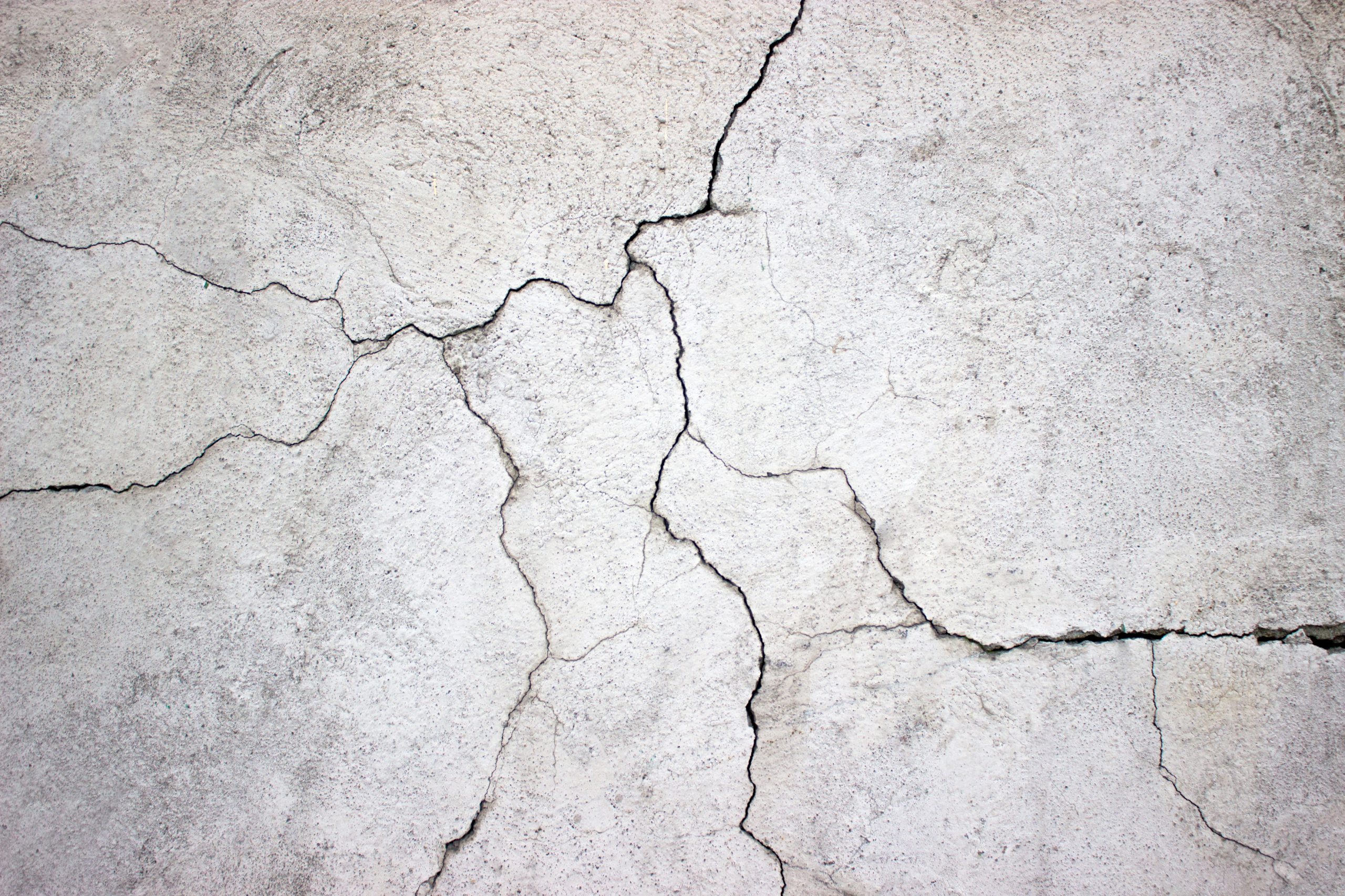
Start here: why basement floor cracks show up and what to do next
Repairing cracks in basement floor starts with knowing the causes. Learn what triggers cracks, how to fix them, and when to call a pro. Get expert tips now. If you live in Southeast Wisconsin, you have extra forces at play that can stress concrete. Freeze and thaw cycles, shifting soils, and seasonal moisture all impact basement slabs. In this guide, Custom Concrete & Stone Design explains the common reasons cracks form, how to identify the type of crack you are dealing with, and the best methods for repairing cracks in basement floor concrete so that the repair lasts.
Cracks do not always mean a serious structural problem. Many are cosmetic or the result of normal concrete behavior. Still, ignoring a crack can invite moisture, odors, and trip hazards. A simple filler can be enough in some cases. Other times you need a more robust approach like epoxy injection, slab stabilization, or drainage upgrades. Understanding the cause helps you choose the right fix and avoid repeat cracking.
Common causes of basement floor cracks
Concrete is strong in compression but weak in tension. When forces pull or shift, a slab will often relieve the stress by cracking. Here are the usual culprits we see across Milwaukee, Waukesha, Ozaukee, Washington, Racine, and Kenosha counties.
Natural shrinkage as concrete cures
As new concrete cures, it shrinks slightly. If the slab lacks well placed control joints, that shrinkage can create thin, random hairline cracks. These cracks are common and mostly cosmetic. They rarely signal a structural defect. Proper reinforcement and jointing help, but older basements may not have had those details.
Soil settlement or compaction issues
The ground beneath your slab needs to be compacted and stable. If the base was not prepared well or if fill soil settles over time, parts of the slab can drop and crack. Settlement cracks can be wider than hairlines and may show slight height differences at the edges. This type of crack is more likely to grow if the underlying soil continues to move.
Hydrostatic pressure and moisture
Water under the slab builds pressure, especially after heavy rain or snowmelt. That pressure pushes against the concrete and seeks the path of least resistance. The result can be crack widening, dampness along crack lines, and white powdery deposits called efflorescence. If you see moisture in or around a crack, address the water source along with the crack itself.
Freeze and thaw cycles
Wisconsin winters are tough on concrete. When water in the soil freezes, it expands and can heave parts of the slab upward. When it thaws, the soil relaxes. Repeated cycles stress the concrete and can open up cracks or cause chipping along the edges. Good drainage and stable backfill help reduce freeze and thaw damage.
Poor base or thin slab
A slab poured over a soft or uneven base is more likely to crack. The same is true if the slab is thinner than design targets. Over time, normal loads can flex the slab and trigger a fracture. If you suspect a base issue, a simple surface patch will not stop future movement. You may need stabilization or slab replacement in isolated areas.
Heavy loads and impacts
Certain basements support appliances, safes, or workshop tools. Heavy point loads or dropped items can cause cracks or spalls. Cracks from impact tend to radiate from a point. Reinforced repairs and surface refinishing can restore strength and appearance.
Tree roots and nearby excavation
Roots seeking moisture can disturb soil near your foundation and slab. Nearby digging for utilities or landscaping can also change how soil supports the slab. Both situations can lead to new cracks or widening of existing ones.
Plumbing leaks and drains
Leaking supply lines or drain lines under or near the slab soften the soil and wash away fine particles. That void formation allows sections of the slab to settle and crack. Fixing the leak and stabilizing the base must come before the crack repair.
Control joints doing their job
Many basements feature control joints set during construction. These are planned weak spots meant to guide where the slab cracks. If a crack follows a straight joint line, the system worked. You can seal those cracks for cleanliness and moisture control, but they are not usually a structural worry.
How to identify the type and severity of a crack
Before repairing cracks in basement floor concrete, assess what you have. A simple review can help you choose the right approach and decide if you need a professional inspection.
Hairline, narrow, or wide
Hairline cracks are thinner than a credit card. They are common and usually cosmetic. Narrow cracks are roughly credit card width or a bit wider. Wide cracks are larger than 1/8 inch and may signal movement or base problems. Document crack width with a photo and a date so you can spot changes over time.
Flat or displaced
If the sides of the crack are level with each other, the slab likely has minor stress or shrinkage. If one side is higher than the other, that is displacement. Displacement can create trip hazards and hints at settlement, heaving, or base voids. Displaced cracks deserve a closer look.
Random pattern or map cracks
Very thin, shallow lines that look like a road map are called crazing. They affect only the surface and are mostly an appearance issue. They can be sealed to keep dust down and to make cleaning easier.
Signs of moisture
Moisture along a crack shows up as dampness, dark concrete, or white, powdery deposits. Tape a 2 foot square plastic sheet over a clean section of slab and wait 24 hours. If you see condensation or darkening, you have vapor drive. That does not mean a structural problem, but it does inform your repair method and coating choices.
When to worry
- Cracks wider than 1/4 inch, especially if growing over time
- Cracks with vertical displacement
- New cracks after a plumbing leak, flood, or nearby excavation
- Persistent water seeping through cracks
- Cracks that align with foundation wall cracks
DIY steps for repairing cracks in basement floor
Small, dry, nonmoving cracks can often be repaired by a careful homeowner. Use the steps below to prepare the surface and select a compatible repair material. When in doubt, consult Custom Concrete & Stone Design for guidance or a free evaluation.
Tools and materials
- Safety glasses, gloves, mask
- Wire brush, stiff broom, shop vacuum
- Angle grinder with diamond blade or cold chisel and hammer
- Concrete cleaner or degreaser
- Moisture safe crack filler: epoxy paste for structural bonding or polyurethane sealant for moving cracks
- Putty knife or margin trowel
- Sand for backfilling deep voids if recommended by the product
- Concrete sealer or coating if you plan to finish the floor
Step-by-step process
- Inspect and test. Confirm the crack is dry and not actively moving. If moisture is present, locate and address the source first.
- Clean the area. Sweep and vacuum debris. Remove any paint or sealer near the crack with a grinder or scraper so the repair can bond well.
- Open the crack slightly. Use a grinder or chisel to create a V-notch along the crack. This gives the repair material more surface area to grab.
- Vacuum and wipe. Remove all dust with a vacuum. Wipe with a clean, damp rag if the product allows. Let the area dry fully.
- Choose the right filler. Use epoxy paste or gel if you want a rigid, strong bond on a nonmoving crack. Use polyurethane sealant if the crack might move slightly with seasonal changes.
- Apply the material. Fill the crack from the deepest point up to the surface. Press firmly to remove air pockets. Slightly overfill to allow for shrinkage or finishing.
- Tool the surface. Use a putty knife to smooth the repair flush with the surrounding slab. Follow the product’s cure time before walking on it.
- Sand or grind if needed. After curing, lightly sand or grind high spots so the floor is smooth and safe.
- Seal the floor. Apply a penetrating sealer to reduce dusting and moisture transmission, or install a coating system rated for your slab’s moisture conditions.
Tips for a lasting DIY repair
- Work at the temperature recommended on the product label.
- Avoid filling actively wet cracks until water issues are controlled.
- If a crack keeps reopening, switch to a flexible polyurethane or consult a pro.
- Use moisture tolerant products if your slab shows vapor drive.
Moisture management before and after repairs
Water is a leading reason repairs fail. If you seal a crack but do not manage moisture, pressure can push through elsewhere. Consider these moisture control steps as part of repairing cracks in basement floor concrete.
Simple tests and signs
Use the plastic sheet test to check for vapor drive. Watch for damp corners after storms. Note musty odors. Efflorescence along joints suggests water moving through or under the slab.
Improve drainage
- Keep gutters clean and direct downspouts well away from the foundation.
- Slope soil grade to move water away from the home.
- Consider a sump pump and interior drain if water builds up under the slab.
- Use a dehumidifier to keep basement humidity in a healthy range.
Finishing and protecting your basement floor
Once cracks are repaired and moisture is under control, you can choose a finish that protects and upgrades the space. Custom Concrete & Stone Design helps homeowners select finishes that handle Wisconsin conditions and fit budget and style goals.
Popular finishing options
- Penetrating sealer to reduce dusting and resist light moisture
- High build epoxy or polyaspartic coatings for a clean, durable surface
- Self leveling overlays to smooth uneven floors
- Decorative finishes like staining, polishing, or stamped overlays for a custom look
The right finish depends on moisture levels, use of the space, and the condition of the slab. For example, garages and workshops may need a tougher coating than a storage area. Family rooms may benefit from a decorative overlay that hides old repairs and creates a cohesive look.
When to call a professional
DIY is great for small, stable cracks. Call a pro if any of the following apply. A trained crew can diagnose underlying issues and provide a repair that lasts.
- The crack is wider than 1/4 inch or growing.
- There is vertical displacement or trip hazards.
- Water is seeping through, especially during storms.
- You suspect a plumbing leak or subbase voids.
- Multiple cracks form a pattern after recent construction or excavation.
- Cracks align with foundation wall issues or sticking doors.
Custom Concrete & Stone Design has over 30 years of experience working with basements and foundations across Southeast Wisconsin. Our team assesses the cause, recommends the right solution, and executes with skilled craftsmanship. We take the time to explain options and help you plan for long term results.
What does repair cost in Southeast Wisconsin
Every project is different, but these general ranges can help you budget. Actual pricing depends on access, crack size, moisture levels, and finish selection.
- DIY hairline crack sealing: about 50 to 200 dollars in materials
- Professional crack repair and sealing: often 7 to 15 dollars per linear foot depending on method and prep
- Slab leveling or overlays to correct uneven floors: often 3 to 8 dollars per square foot
- Interior drain and sump solutions for water control: often 2,500 to 7,000 dollars depending on layout and length
- Decorative coatings like epoxy or polish: often 3 to 10 dollars per square foot based on system and prep
These are typical ranges. After a site visit, Custom Concrete & Stone Design provides a clear, written estimate tailored to your home and goals.
How Custom Concrete & Stone Design helps
As a Milwaukee based company serving Milwaukee, Waukesha, Ozaukee, Washington, Racine, and Kenosha counties, Custom Concrete & Stone Design brings local expertise to repairing cracks in basement floor slabs. Our process is designed to pinpoint the cause and resolve it, not just mask the symptoms.
Our approach
- Inspection and diagnosis with attention to soil conditions, drainage, and slab thickness
- Moisture measurement and recommendations for control if needed
- Repair plan matched to crack type including epoxy bonding, flexible sealants, or stabilization where needed
- Optional finishing solutions from simple sealing to decorative overlays or coatings
- Clear scheduling, respectful cleanup, and communication at every step
We handle residential and commercial work and bring the same care to small repairs as we do to large projects. Our crews use quality materials and proven techniques to meet your budget and timeline. When you partner with Custom Concrete & Stone Design, you get a team focused on doing the job right the first time.
Frequently asked questions
Will every basement floor crack over time
Most concrete slabs develop at least a few small cracks. Many are harmless. The key is to monitor them. If a crack stays the same size and is dry, sealing it is often enough. If it grows or shows moisture, investigate further.
Does epoxy stop water
Epoxy bonds concrete and can seal a dry crack well. If water pressure builds under the slab, epoxy alone will not solve the issue. You need drainage solutions to relieve pressure, then seal and finish. A flexible polyurethane may be chosen for cracks that might move a bit.
Can I pour a new slab over a cracked one
It is possible to install an overlay or a new topping in some cases. However, if the base is unstable or moisture is high, you should correct those issues first. Otherwise, the new surface may crack too. Custom Concrete & Stone Design can test the slab and advise on the best path.
How long will a crack repair last
With a stable base and proper prep, epoxy or polyurethane repairs can last many years. Repairs fail early when moisture pressure is not addressed or when the base keeps moving. Good drainage and expansion control extend the life of the repair.
Is sealing a crack enough for radon
Crack sealing can reduce air movement through the slab, but it is not a radon mitigation system. If radon tests are high, sealing is only part of a full mitigation plan. Talk with a certified radon professional for testing and system design.
Putting it all together
Repairing cracks in basement floor concrete starts with a clear diagnosis. Hairline and dry cracks are often simple. Settlement, moisture, and displacement require more attention. Choose repair materials that match the type of crack, prepare the surface carefully, and manage moisture for reliable results. When you want a professional opinion or a long lasting finish, Custom Concrete & Stone Design is ready to help.
Get expert help in Southeast Wisconsin
If you are concerned about a crack or want to finish your basement floor after repairs, reach out to Custom Concrete & Stone Design. We have helped homeowners and businesses across Milwaukee, Waukesha, Ozaukee, Washington, Racine, and Kenosha for over 30 years. From straightforward sealing to full slab finishing, we deliver quality work with honest guidance. Contact us to schedule an inspection and get a clear plan for repairing cracks in basement floor concrete the right way.