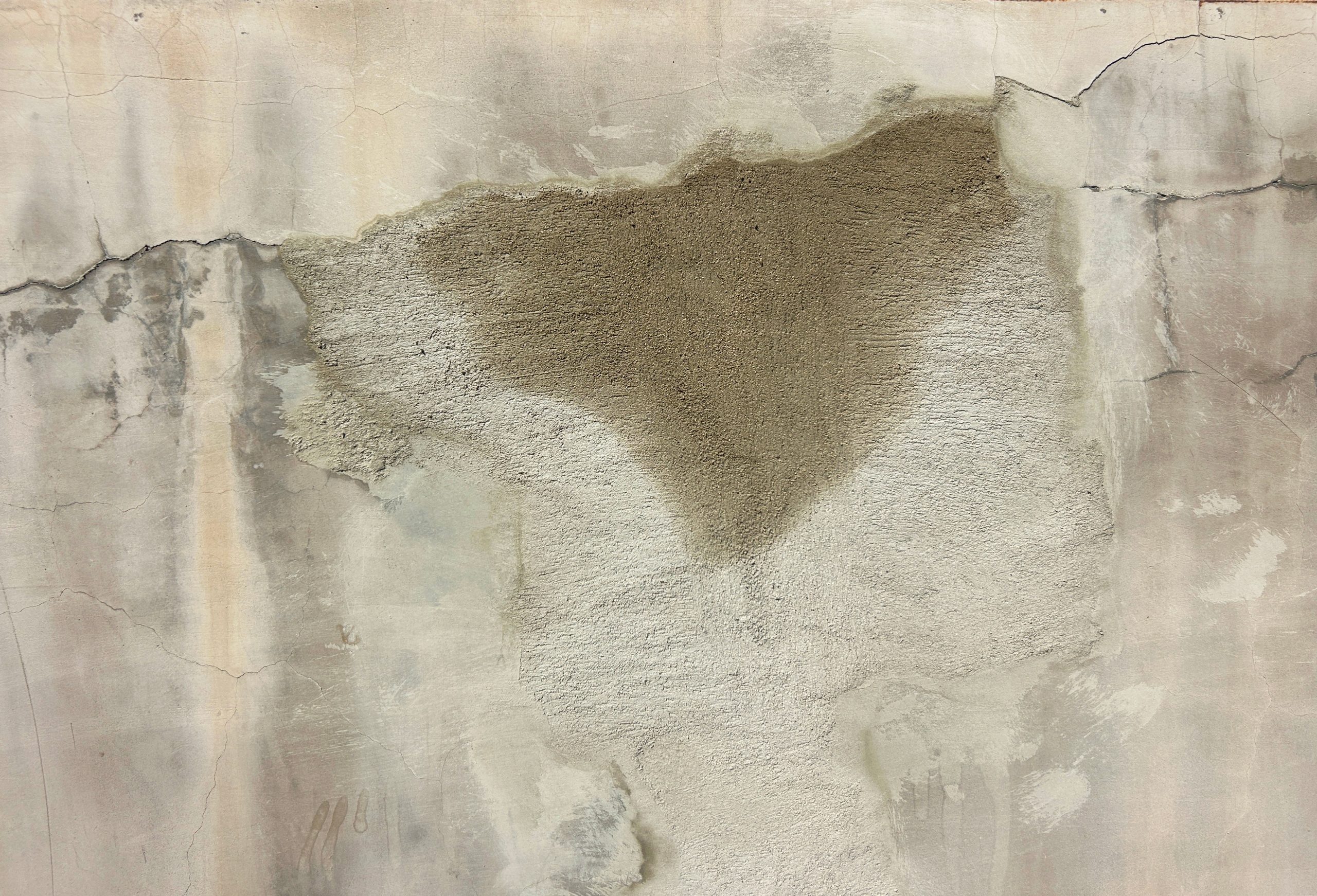
Wisconsin winters and why basement cracks behave differently here
Winter in Wisconsin is hard on concrete. Daily freeze and thaw cycles push water into small openings, then expand as temperatures drop. Lake effect snow, deep frost lines, and heavy spring melt add pressure against basement walls and slabs. What might look like a harmless hairline crack in October can become a leaky or widening problem by February. If you live in Milwaukee, Waukesha, Ozaukee, Washington, Racine, or Kenosha Counties, knowing the difference between a cosmetic issue and a structural concern can save money and stress. This guide walks you through basement cracks repair so you can decide what to watch and what to fix now.
How to read the story your basement cracks are telling
Common types of cracks in Wisconsin basements
Not all cracks mean the same thing. The pattern, width, and location matter. Here are the usual suspects you might see in Southeast Wisconsin.
- Hairline shrinkage cracks: Thin, often as narrow as a piece of paper. Usually vertical or random on walls or slab floors. Common after new pours or as concrete cures.
- Vertical cracks: Run up and down. Often due to normal settlement. May be harmless if narrow and dry.
- Diagonal cracks: Usually seen near corners or at window openings. Can suggest uneven settlement.
- Horizontal cracks: Run across a wall. Often linked to soil or water pressure pushing inward. Can be serious if widening or paired with wall bowing.
- Stair step cracks in block walls: Follow the mortar lines in a stair pattern. Can indicate movement from soil pressure, frost heave, or settlement.
- Map or spider web cracking: Network of fine lines on slab surfaces. Often a finish or cure issue. Usually cosmetic.
- Spalling and flaking: Surface layer chips or flakes off. Often tied to moisture and freeze thaw cycles. Not a crack but a sign of distress.
What winter does to each type
In winter, moisture inside cracks freezes and expands. Horizontal and stair step cracks in particular can worsen because frost and hydrostatic pressure push against walls. Vertical cracks may leak during a thaw. Hairline cracks may not grow much but can start to seep if outside drainage is poor. This seasonal cycle is why careful monitoring and timely basement cracks repair is so important.
Watch it vs fix it now: a quick decision guide
Cracks you can usually watch
Some cracks can be monitored if there is no leak, no widening, and no movement. You still want to keep an eye on them through winter and spring melt.
- Hairline shrinkage cracks in walls or floors that stay dry. These are common and often cosmetic.
- Vertical cracks less than 1/16 inch wide that do not change. Mark the ends with a pencil and date it for easy tracking.
- Map cracking on slabs that does not dust or flake heavily. Seal later for durability.
Cracks that mean fix it now
If any of the following describe your basement, schedule a professional assessment and repair as soon as possible. Quick action can reduce damage and overall cost.
- Horizontal cracks, especially mid wall on poured or block walls. Often linked to lateral soil pressure and potential wall bowing.
- Stair step cracks that are widening or leaking. This suggests movement, not just cosmetic wear.
- Diagonal cracks from corners that grow or leak during thaw. Can indicate differential settlement.
- Any crack that actively leaks during rain, snow melt, or when downspouts discharge. Water leads to mold, odors, and foundation deterioration.
- Cracks accompanied by bowing walls, crumbling mortar, or spalling. These signal structural stress.
- Cracks wider than 1/8 inch or that collect frost in cold spells. Freeze thaw can make them worse fast.
Top warning signs to watch through winter
You do not need tools to spot early trouble. Use your senses and a simple checklist.
- Water stains or efflorescence. White powder on walls means moisture is moving through concrete.
- Musty odors. Often tied to hidden leaks and poor ventilation.
- Puddles at cold joints or where floor meets wall. Indicates hydrostatic pressure.
- Ice, frost, or dampness along crack lines after a cold snap. Water is entering and freezing.
- Doors sticking, new drywall cracks upstairs, or uneven floors. Possible movement in the foundation.
- Gutters overflowing, downspouts discharging near the foundation, or icy grading against the house. These will worsen leaks.
Why basements crack in Southeast Wisconsin
Our local soils are a mix of clay and silt with pockets of sandy loam. Clay holds water and expands when wet, then shrinks when dry. This movement changes pressure on basement walls through the seasons. Add freezing temperatures that drive frost deep into the ground and you can see why structures shift.
- Freeze thaw cycles: Repeated expansion and contraction strain concrete and widen small cracks.
- Hydrostatic pressure: Snowmelt and rain raise the water table and push moisture through foundation walls.
- Poor drainage: Short downspouts, flat grading, and clogged gutters force water against your foundation.
- Construction factors: Insufficient reinforcement, shallow footings, or fast curing can increase crack risk.
- Time and wear: Older homes may have mortar deterioration or past patching that opens up in winter.
Basement cracks repair options that work in winter
Sealing and injection solutions
Many non structural cracks can be repaired in cold weather with the right materials. Temperature and moisture matter, so professional evaluation helps you choose the best method.
- Epoxy injection: Bonds cracked concrete for structural strength. Best for dry or controlled moisture conditions on vertical cracks.
- Polyurethane injection: Flexible and expands to fill gaps, even when cracks are damp. Excellent for stopping active leaks.
- Routing and sealing: Widening the surface path of a small crack and sealing with an elastomeric material. Good for hairline slabs.
Reinforcement and stabilization
When movement or inward pressure is present, reinforcement is the safer choice.
- Carbon fiber straps: Low profile strips epoxied to the wall to counter bowing and distribute load. Good for horizontal cracks with mild to moderate movement.
- Wall anchors or braces: Mechanically stabilize walls under higher lateral pressure. Used when bowing is measurable.
- Helical piers or push piers: Transfer load to stable soil for settlement issues. Often planned for milder weather but can be staged around winter.
Water management and drainage
Stopping water reduces crack growth and future repairs.
- Interior drain tile and sump systems: Relieve hydrostatic pressure under slab and along wall footing.
- Exterior grading and downspout extensions: Move water at least six to ten feet from the house.
- Crack waterproofing membranes: Add a barrier to keep water out even if a crack moves slightly.
DIY or call a pro during winter
Small, dry hairline cracks on floors can be sealed with homeowner grade products. That said, winter adds risk. Materials cure differently in cold and moisture control is tougher. If you see leaks, horizontal lines, stair step patterns, or any signs of wall movement, skip DIY and call a professional. Custom Concrete & Stone Design can inspect and recommend a tailored basement cracks repair plan that fits your home and season.
Seasonal checklist for Wisconsin homeowners
Before deep freeze
- Clean gutters and extend downspouts.
- Adjust grading to slope away from the house.
- Seal known hairline cracks to reduce water entry.
- Test the sump pump and battery backup.
Mid winter monitoring
- Check for new damp spots after warm spells.
- Look for frost along crack lines.
- Mark crack ends with a pencil and date for easy tracking.
Spring thaw check
- Inspect for efflorescence and musty odors.
- Note any widening or new stair step patterns.
- Schedule an inspection if any leak or movement is present.
About Custom Concrete & Stone Design
Custom Concrete & Stone Design has served Southeast Wisconsin for more than 30 years. Based in Milwaukee, our team delivers residential and commercial concrete services built to last. We handle stamped concrete, driveways, patios, retaining walls, garages, basements, and foundations. For basement cracks repair, we bring together skilled craftsmen, top quality materials, and proven methods that hold up to Wisconsin winters. We proudly serve Milwaukee, Waukesha, Ozaukee, Washington, Racine, and Kenosha Counties. Our goal is simple: protect your home and give you clear options with no pressure.
Our inspection and repair process
- Conversation and scheduling: We listen to your concerns, review photos if you have them, and set a convenient visit.
- On site assessment: We check crack type, width, location, and moisture levels. We also look at grading, gutters, and sump systems.
- Plan and estimate: You get a clear written plan with pricing options. We explain what is watch it versus fix it now.
- Repair day: We prepare surfaces, apply injection or reinforcement, and manage water if needed.
- Final walkthrough and tips: We show results, share maintenance steps, and set up follow up if desired.
Prevention tips to limit future cracking
- Control water at the source: Keep gutters clean and extend downspouts. Aim for long extensions that carry water well away.
- Maintain slope: Soil should drop at least six inches in the first ten feet from your foundation.
- Manage snow and ice: Pile snow away from the house and thaw pathways that push runoff toward the foundation.
- Use a dehumidifier in summer: Lower humidity helps concrete and prevents musty odors.
- Seal exterior concrete: Walks and drives near the foundation should be sealed to reduce water penetration and scaling.
- Check plumbing: A slow leak can feed moisture into the slab year round.
Frequently asked questions about basement cracks repair
How do I know if a crack is serious?
Horizontal lines, stair step cracks, leaks, or any sign of wall bowing deserve quick attention. If a crack is wider than 1/8 inch or grows through winter, call a pro. Vertical hairline cracks that stay dry are usually monitored.
Can you repair basement cracks during winter?
Yes. Many injection products work in cold weather, and polyurethane can seal active leaks. Structural reinforcement like carbon fiber can also be installed in winter. Larger excavation or pier work may be scheduled for milder weather, but an inspection now can prevent bigger problems later.
How much does professional repair cost?
Costs vary with crack type, accessibility, and whether water management is needed. Sealing a single non structural crack is far less than stabilizing a bowing wall. Custom Concrete & Stone Design provides a clear, no surprise estimate after inspection.
Will the repair last through Wisconsin freeze thaw cycles?
When the proper method is used, yes. Epoxy restores strength in dry conditions. Polyurethane stays flexible and resists movement and moisture. Carbon fiber reinforcement is designed for long term performance. Good drainage makes every repair last longer.
Should I fix drainage first or the crack first?
Often both happen together. If a crack leaks, sealing it and improving drainage create the best outcome. During inspection we determine the order so you get the most value for your budget.
Why choose Custom Concrete & Stone Design for basement cracks repair
- Local expertise: We know how Wisconsin winters affect concrete and foundation systems.
- Full service solutions: From injection and sealing to reinforcement and drainage, we tailor the fix to your home.
- Skilled craftsmen: Our team brings decades of hands on experience to every project.
- Quality materials: We use proven products that perform in cold weather and high moisture environments.
- Clear communication: We explain what to watch and what to fix now so you feel confident.
When to schedule an inspection
If you see leaks, horizontal lines, stair step patterns, or any widening through the winter, do not wait. Scheduling basement cracks repair during cold months can stop damage before spring runoff increases pressure. Even if you only see hairline lines, a quick check can give you peace of mind and help you prioritize future work.
Take the next step
Protect your home from winter and spring melt. Contact Custom Concrete & Stone Design to schedule a professional basement inspection. We will help you decide which cracks to watch and which to fix now, and we will deliver a plan that fits your timeline and budget. From Milwaukee to Kenosha and everywhere in between, our team is ready to help you keep your basement dry, stable, and safe.
Basement cracks repair does not have to be confusing. With the right knowledge and a trusted local partner, you can navigate winter with confidence. Reach out to Custom Concrete & Stone Design today and get the facts, the fix, and lasting results.