Short Answer: Why Is My Concrete Cracking Right Now?
Why is my concrete cracking? In many cases, the cause is a mix of shrinkage as concrete dries, seasonal temperature swings, water problems, soil movement, and heavy loads. Some cracks are just cosmetic, while others signal a bigger issue that needs fast attention. In this guide, you will learn what to look for, what you can do today, and when to call the pros. If you want a quick, expert opinion, the team at Custom Concrete & Stone Design in Milwaukee is ready to inspect your concrete and help you stop the damage before it spreads.
- Shrinkage during curing that leads to hairline cracks
- Freeze-thaw cycles that expand and contract the slab
- Poor drainage or water running under the concrete
- Soil settlement or clay soils that swell and shrink
- Missing or poorly placed control joints
- Heavy vehicles, equipment, or impact damage
- Tree roots lifting slabs
- Weak base material or thin slabs
- Deicing salts and harsh chemicals
Common Causes of Cracking in Driveways, Patios, and Floors
Plastic Shrinkage and Drying Shrinkage
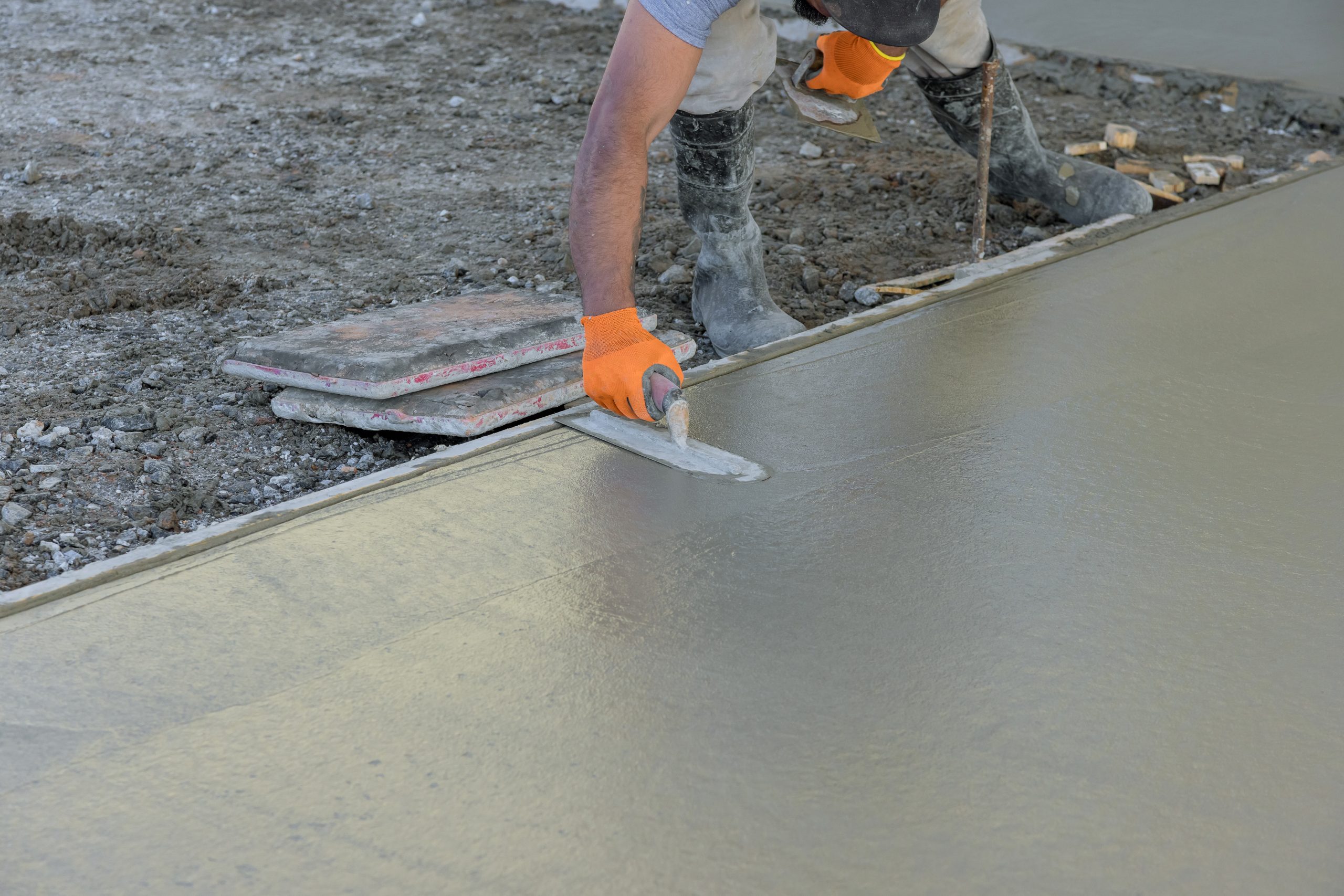
Concrete starts as a fluid mix that loses moisture as it sets and cures. When the surface dries faster than the concrete below, tension builds and hairline cracks can form. This can happen on hot, windy days, in direct sun, or when the mix contains too much water. Hairline shrinkage cracks are common and not always serious, but they can let water in and turn into a bigger problem over time. Proper mix design, curing blankets, and keeping the surface damp during the early days help reduce this risk.
Soil Movement and Settlement
If the soil or base under your slab is not compacted well, it can settle after the concrete is placed. Voids form under the slab, which causes unsupported areas to crack and drop. Expansive clays can swell when wet and shrink when dry, which makes concrete move and fracture. If you see cracks paired with sunken or uneven sections, soil movement is likely a factor. A solid, well-compacted base with the right stone and proper grading makes a big difference.
Freeze-Thaw Cycles in Southeast Wisconsin
In Milwaukee and throughout Southeast Wisconsin, winter is tough on concrete. Water gets into small surface pores and cracks. When temperatures drop, the water freezes and expands, pushing on the concrete. Repeated freeze-thaw cycles cause cracking, pop-outs, and surface scaling. Air-entrained mixes, quality sealers, and good drainage help protect your concrete from these seasonal stresses.
Missing or Poorly Cut Control Joints
Concrete wants to crack as it shrinks and moves, so professionals plan where that movement will happen by cutting or forming control joints. If joints are missing, cut too shallow, or spaced too far apart, the slab may crack at random and in visible areas. Proper timing and depth of saw cuts guide the natural cracking so it happens neatly in the joints instead of across the surface.
Poor Base, Drainage, or Water Problems
Water is a frequent culprit in concrete damage. Downspouts that drain next to a slab, yard slopes that push water underneath, or clogged drains can wash out the base and lead to cracks and settlement. A strong crushed stone base, correct grading to move water away, and clean drainage paths help keep your concrete stable and crack-free.
Heavy Loads and Impact
Driveways, garage slabs, and commercial pads take the brunt of heavy use. Large trucks, dumpsters, or repeated heavy loads can stress a slab, especially if it is thin or not reinforced well. Point loads near slab edges are a common cause of corner cracks and breaks. If you expect heavy traffic, the slab must be designed for it.
Reinforcement and Mix Issues
Not all concrete is the same. A mix with too much water becomes weaker and shrinks more as it dries. Lack of reinforcement, like rebar, wire mesh, or fibers, reduces a slab’s ability to handle tension and movement. Quality materials, proper water content, and well-placed reinforcement greatly reduce the chance of cracking.
Chemicals, Salts, and Deicers
Deicing salts can speed up freeze-thaw damage and cause surface scaling. New concrete is most vulnerable in its first winter. Sand is a safer choice for traction during that period. If you use a deicer later, choose a product that is safer for concrete and follow the label. Rinse the surface when you can and reseal as needed to reduce chemical damage.
Tree Roots and Vegetation
Roots seek moisture and can push up slabs from below. If a crack follows a line from a nearby tree, roots may be the cause. In some cases, root pruning or a root barrier can help. In others, the slab needs repair or replacement after roots are addressed.
Is My Crack Serious? How to Read the Warning Signs
- Hairline, surface-only cracks that do not catch a fingernail are usually cosmetic
- Cracks wider than 1/4 inch or that keep growing point to structural stress
- Uneven edges where one side is higher than the other signal settlement or heaving
- Water entering the crack and leaking to another area means there is a path below
- Rust stains near a crack may indicate corroding reinforcement
- Diagonal cracks from corners, or repeated parallel cracks, can point to base or load issues
- Cracks in basement floors or foundation walls that change seasonally may signal soil movement
If your crack comes with sinking, bulging, or sticking doors and windows inside the home, it is time for a professional inspection. Custom Concrete & Stone Design can help you understand the severity, the cause, and the best repair plan.
What You Can Do Right Now
- Keep water away. Redirect downspouts, fix gutter leaks, and avoid watering right next to slabs.
- Clean the crack. Remove dirt and loose material so you can see what you are dealing with.
- Mark and monitor. Use a pencil mark at the ends of the crack and take a photo with a date. Check again in a few weeks.
- Avoid heavy loads. Do not park heavy trucks on a cracking driveway until you know the cause.
- Use a temporary filler. For small, dry cracks, a flexible concrete crack sealant can keep water out for now.
- Do not pour water into cracks to see where it goes. This can make the problem worse.
- Call a pro if you see wide cracks, uneven edges, or fast changes. Early action saves money.
Professional Repair Options That Last
Crack Sealing and Caulking
Flexible polyurethane or silicone joint sealants keep water and debris out while allowing small movement. This is ideal for control joints and many non-structural cracks. Custom Concrete & Stone Design matches the right sealant to your environment and traffic needs so the repair lasts.
Epoxy Injection and Structural Stitching
When a crack affects strength, an epoxy injection can bond the concrete back together. For added support, carbon fiber staples or stitches can be installed across the crack. These methods help transfer loads and prevent the crack from spreading.
Slab Leveling: Mudjacking or Foam Jacking
If your slab has settled, lifting it back into place can solve the problem without full replacement. Mudjacking uses a cement-based grout, while foam jacking uses a high-density foam. Both fill voids and raise slabs. The best choice depends on your soil, slab size, and access.
Resurfacing and Overlays
When the surface is worn or lightly cracked, a polymer-modified overlay can renew the look and performance. Overlays can be stamped, stained, or finished to look like stone, brick, or tile. Custom Concrete & Stone Design specializes in decorative and stamped overlays that transform patios, walkways, and entryways while addressing minor cracking.
Partial or Full Replacement
Severe base failure, large areas of broken concrete, or slabs that are too thin are good candidates for replacement. While it is a larger project, replacement lets you fix the root cause with proper base prep, reinforcement, drainage, and joints so the new concrete stands up to Wisconsin weather and daily use.
Prevention: Build and Maintain Concrete the Right Way
- Start with a strong base. Use well-compacted crushed stone at the right thickness for your project.
- Choose the right mix. Avoid too much water and use air entrainment for freeze-thaw resistance.
- Reinforce smartly. Use rebar, wire mesh, or fibers to control cracking and carry loads.
- Cut control joints on time. Proper spacing and depth guide where the concrete relieves stress.
- Cure properly. Keep new concrete damp and protected from sun and wind during early days.
- Manage water. Grade soil away from slabs, extend downspouts, and keep drains clear.
- Seal regularly. A quality sealer every few years protects against water, salt, and staining.
- Be careful with deicers. Avoid salt the first winter and choose safer products later.
- Protect edges. Avoid driving heavy loads at slab edges where support is weakest.
Milwaukee and Southeast Wisconsin Specifics You Should Know
Local climate and soils matter when you ask why is my concrete cracking. In Milwaukee, Waukesha, Ozaukee, Washington, Racine, and Kenosha counties, we see repeated freeze-thaw cycles, lake-effect moisture, clay-rich soils, and heavy use of road salt. These factors speed up cracking and scaling if your concrete is not designed and maintained for them. Custom Concrete & Stone Design has more than 30 years of experience building and repairing concrete that is tailored to our region. We recommend air-entrained mixes, proper base preparation even in tight urban lots, smart joint layouts, and sealing schedules that match our winters. For snow and ice, use sand for traction in the first winter, and switch to a concrete-safe deicer in later years. Shovel with a plastic blade to avoid scratching. If you use a snowblower, adjust the skids so the auger does not chip the surface. In spring, rinse off salt residue and check for new cracks so you can seal them before summer heat arrives.
Repair or Replace? A Quick Guide
- Repair is ideal when cracks are hairline, tight, and not changing, and when the slab is level and well supported.
- Level then repair when the slab has settled but is otherwise sound. Slab lifting plus joint and crack sealing often solves the problem.
- Resurface when the surface is worn or lightly cracked but the base is solid. Overlays refresh the look and performance.
- Replace when cracks are wide and numerous, there is major heaving or sinking, the slab is too thin, or the base has failed.
- Consult a pro for basement and foundation cracks, especially if they widen, leak, or change with the seasons.
Frequently Asked Questions About Why Concrete Cracks
- Why is my concrete cracking in the first year? Early cracks often come from shrinkage and temperature changes. Proper curing and joint placement help reduce them.
- How wide is too wide? Any crack over 1/4 inch or with uneven edges should be inspected. These can allow water in and point to base or load issues.
- Do I need to seal every crack? It is smart to seal cracks that can take on water. Keeping water out prevents bigger problems from freeze-thaw and soil washout.
- Will sealing stop cracking? Sealing prevents water damage but does not stop all movement. Good design, reinforcement, and joints control where movement happens.
- Are control joints supposed to crack? Yes. Control joints are there so cracks form neatly in the joint rather than across the slab surface.
- Can I fix cracks myself? Small, stable cracks can be sealed with homeowner products. For structural cracks, settlement, or widespread damage, call a professional.
- How much do repairs cost? Costs depend on size, cause, and method. Sealing is affordable, lifting costs more, and replacement is the largest investment. A quick inspection from Custom Concrete & Stone Design will give you a clear plan and price.
- Is stamped or decorative concrete more likely to crack? All concrete can crack. Proper base, reinforcement, joints, and sealing keep decorative work durable and beautiful.
Why Homeowners and Businesses Trust Custom Concrete & Stone Design
Custom Concrete & Stone Design is a Milwaukee-based company serving Southeast Wisconsin for over three decades. We build and repair driveways, patios, walkways, garages, basements, retaining walls, foundations, and stamped concrete features. Every project is tailored to your site, your style, and our climate. We use top-quality materials and proven methods to control cracking and extend the life of your concrete. Our craftsmen know how to set joints, select reinforcement, and cure concrete so it performs and looks great. Whether you need a simple crack seal, slab lifting, a decorative overlay, or a full replacement, we aim to exceed expectations. We proudly serve Milwaukee, Waukesha, Ozaukee, Washington, Racine, and Kenosha counties and back our work with clear communication and reliable service.
Get a Professional Inspection Today
If you are asking why is my concrete cracking, do not wait for small issues to turn into major repairs. A quick on-site assessment from Custom Concrete & Stone Design can identify the cause and give you a plan that fits your budget and timeline. We will tell you honestly if sealing is enough, if lifting is needed, or if replacement is the smart long-term move. Protect your driveway, patio, or floors from further damage. Contact Custom Concrete & Stone Design today to schedule your inspection and get a clear answer backed by 30 years of local expertise.