Understanding Garage Floor Cracks
Garage floor cracks are common, but they are not all the same. Some are normal and harmless. Others point to deeper issues with the concrete or the soil under your slab. Knowing the difference helps you avoid unnecessary worry and also catch problems before they get expensive. In this guide, you will learn why garage floor cracks form, how to tell normal from not normal, what you can do to fix them, and how to prevent new cracks from showing up.
Custom Concrete & Stone Design has helped homeowners and businesses across Southeast Wisconsin for over 30 years. We inspect, repair, and replace concrete floors every day. Our team brings practical tips and proven solutions so you can protect your garage, your tools, and your vehicles with confidence.
Why Concrete Cracks in Garages
Shrinkage as Concrete Cures
Fresh concrete contains water that slowly leaves the mix while it cures. As moisture leaves, the slab shrinks a little. That shrinkage can create hairline cracks near the surface. Builders use control joints to guide these cracks to neat lines, but some random hairline cracks are normal in any slab.
Settlement and Soil Movement
Your garage floor sits on compacted soil and base material. If that base was not compacted well, or if water washes fines away over time, parts of the slab can settle. That movement shows up as longer or wider cracks. In severe cases, one side of a crack can drop below the other and create a lip.
Freeze Thaw and Winter Deicers
Southeast Wisconsin faces freeze thaw cycles that are tough on concrete. Water enters small pores and cracks, then expands when it freezes. Repeated cycles widen cracks. Road salt or deicers from tires can also draw more water into the slab and break down the surface over time.
Heavy Loads and Impact
Garages do more than hold cars. Many store tools, freezers, and heavy equipment. Concentrated loads or dropping a heavy object can start a crack or make a small crack worse. If the slab is thin or has weak support, heavy loads can cause visible damage.
What Counts as Normal Garage Floor Cracks
Hairline Shrinkage Cracks
Thin, shallow lines that are less than the thickness of a credit card often come from normal curing. They usually do not change or cause structural problems. Sealing them can keep out moisture and dirt, but they are rarely a reason to worry.
Cracks Along Control Joints
Most slabs include control joints, which are planned weak points cut into the slab. Cracks that follow these straight cuts are expected. They show that the slab released stress in the right place. Keep joints clean and filled to block water and debris.
Small Surface Checking
Light, shallow surface checking that looks like faint lines is often cosmetic. It comes from drying at the surface and does not affect the load capacity of the slab. Sealing or resurfacing can improve the appearance and protect the surface.
Garage Floor Cracks That Are Not Normal
Wide or Growing Cracks
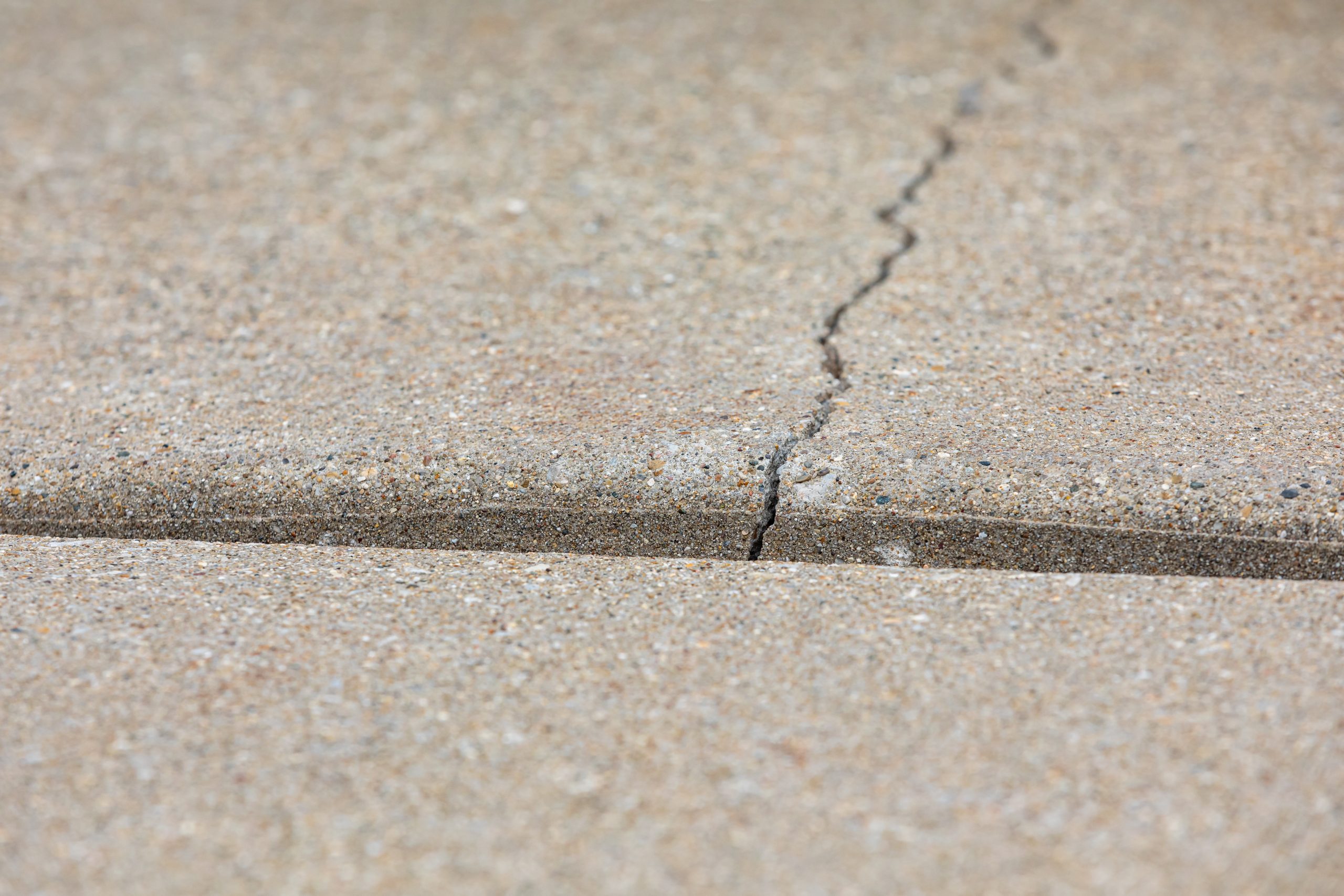
Cracks that are wider than 1/8 inch, or that continue to widen over time, suggest ongoing movement. That movement could be soil settlement, moisture issues, or load problems. These deserve a closer look and a professional plan.
Vertical Displacement
If one side of the crack is higher than the other, the slab has shifted. This can create a trip hazard and may point to voids below the surface. It can also allow water to pool. Stabilizing the slab and lifting it back into place may be needed.
Map or Spiderweb Patterns
A network of cracks in a pattern can point to surface distress or a mix issue. While some patterned cracking is only cosmetic, it can open the surface to water and salt. Left untreated, it can lead to spalling and more cracking.
Cracks with Moisture Stains or White Residue
Moisture seeping up through a crack can leave darker edges or white powder called efflorescence. This often points to drainage issues around the garage. Moisture can weaken the slab and carry salts that damage the surface.
Cracks Near Walls, Posts, or Drains
Cracks that radiate from a column base, corner, or floor drain can signal stress points and small slab movement. If those cracks grow or create gaps, they can affect how the slab supports loads and how water drains.
How to Evaluate Your Garage Floor Cracks
A simple check can help you decide if a crack is normal or needs attention. You can do this at home with a few tools and a careful eye.
- Measure width. Use a credit card to gauge size. Hairline cracks thinner than the card are often normal. Cracks wider than 1/8 inch call for a deeper look.
- Check for movement. Place a straightedge across the crack. Any lip or step hints at settlement or heave.
- Watch the pattern. Straight cracks along joints can be normal. Jagged or branching cracks may point to stress or base issues.
- Look for moisture. Dark staining, damp edges, or white residue shows water movement. This often means you should improve drainage and seal the slab.
- Note the location. Cracks that start near door openings, posts, or drains are more likely to matter. They tend to grow if the cause is not fixed.
DIY vs Professional Repair
When a DIY Fix Is Reasonable
Many hairline cracks and small surface flaws can be handled with basic tools and materials. If the crack is narrow and stable, a homeowner can clean the area, fill the crack with a flexible concrete crack filler, and apply a sealer. This helps block moisture, reduce dirt buildup, and improve appearance.
When to Call a Pro
Call a professional when cracks are wide, growing, or uneven. Also call if water is seeping through, if the slab rocks or sounds hollow in spots, if you see heavy spalling, or if you plan to install a high performance coating. Professional repair ensures the root cause is addressed so you do not waste money on short term patches.
Repair Options for Garage Floor Cracks
Clean and Fill with Flexible Materials
For active or wider cracks, a flexible polyurethane or polyurea crack filler can stretch with movement. The process usually involves cleaning, routing to create a uniform slot, installing backer material where needed, and filling flush. This seals out water and dust while allowing some movement.
Epoxy Injection for Structural Ties
When a crack needs strength across the break, low viscosity epoxy injection can bond the two sides together. This method is suitable for stable cracks without ongoing movement. It restores continuity and prepares the slab for coatings or resurfacing.
Slab Lifting and Void Filling
If one side of the crack is lower, lifting methods can level the slab. Polyurethane foam injection or traditional mudjacking fills voids and raises settled areas. Leveling reduces trip hazards, improves drainage, and helps prevent the crack from getting worse.
Surface Resurfacing and Overlays
When the surface shows widespread microcracking or wear, a polymer modified overlay can renew the look and performance of your garage floor. After repairs, a skim coat or decorative overlay can create a fresh surface that is easier to clean and seal.
Sealers and Coatings
Penetrating sealers help block water and chloride intrusion. High build coatings, like epoxy or polyaspartic systems, can protect and beautify the surface. These systems require sound substrate preparation and proper crack treatment to last.
Step by Step: A Quick Stopgap for Small Cracks
- Prepare the area. Sweep and vacuum dust. Wear eye protection and gloves.
- Dry the crack. Use a fan or wait for a dry day so the filler bonds well.
- Clean the sides. Use a wire brush or a crack chaser blade to remove loose material. Vacuum again.
- Prime if required. Some fillers need a primer. Follow the product directions.
- Install backer rod. For deeper cracks, press foam backer rod to set proper depth.
- Apply filler. Use a flexible concrete crack filler. Slightly overfill and level with a putty knife.
- Texture if needed. Dust fine sand on top before it skins to reduce slipperiness.
- Allow to cure. Protect from traffic until cured. Then apply a penetrating sealer for extra protection.
This is a basic stopgap for minor, stable cracks. If you see continued movement, call a professional for a lasting solution.
Preventing Future Garage Floor Cracks
- Control water around the garage. Extend downspouts and improve grading so water flows away from the slab.
- Maintain joints. Keep control and expansion joints clean and filled so they can do their job.
- Seal the concrete. Use a quality penetrating sealer to block moisture and chlorides from road salt.
- Limit deicers. Use sand or calcium magnesium acetate in winter, and rinse the floor in spring.
- Use floor mats. Catch melting snow and salt under vehicles with garage mats or trays.
- Avoid point loads. Spread heavy loads across larger areas with plywood or pads.
- Keep good ventilation. Dry floors faster to reduce moisture that can seep into microcracks.
- Check drainage at the door. Make sure the apron and driveway slope carry water away from the garage.
- Plan for coatings the right way. If adding an epoxy or similar system, fix cracks and moisture issues first.
How Custom Concrete & Stone Design Helps
Custom Concrete & Stone Design is a Milwaukee based company with more than 30 years of experience in concrete repair, replacement, and custom finishes. We serve homeowners and businesses across Milwaukee, Waukesha, Ozaukee, Washington, Racine, and Kenosha counties. Our team uses top quality materials and skilled craftsmen to deliver work that lasts. Every garage is different, so we tailor the solution to your slab, your soil conditions, and how you use the space.
- Detailed inspection. We evaluate crack type, width, and pattern. We check for moisture, surface condition, and base support.
- Clear recommendations. You get a straightforward plan that fits your budget and goals, whether you need a simple crack fill or a full slab replacement.
- High quality repairs. From polyurea fills to epoxy injection and slab lifting, we choose proven methods that match your situation.
- Optional finishes. We can resurface, stain, or coat the floor for a clean and durable finish once structural issues are addressed.
- Respect for your property. We keep the site clean, protect nearby surfaces, and communicate clearly from start to finish.
Custom Concrete & Stone Design also handles stamped concrete, driveways, patios, retaining walls, basements, foundations, and more. If your garage floor cracks are part of a bigger issue around your property, we can help you see the whole picture and fix it right.
FAQs About Garage Floor Cracks
Are garage floor cracks covered by homeowners insurance?
Most policies view cracking from settlement, shrinkage, or wear as maintenance, not a covered loss. Damage from a sudden event may be treated differently. Check your policy and talk to your agent for specifics.
Will an epoxy coating hide the cracks?
A coating can improve appearance, but it does not fix a moving crack. Proper crack repair is needed first. Otherwise, the line can reflect through the coating over time.
Should I replace the whole slab?
Full replacement makes sense when a slab has widespread cracking, major settlement, or severe surface wear. If cracks are limited and the base is sound, targeted repairs usually solve the problem at a lower cost.
How long will a repair last?
Longevity depends on the cause of the crack, the repair method, and the environment. Flexible fillers last longer on minor movement. Epoxy repairs last when the crack is stable. Good drainage and sealing extend the life of any repair.
How much do crack repairs cost?
Costs vary with crack length, width, and whether lifting or resurfacing is needed. Minor crack filling can be a modest investment. Lifting and resurfacing cost more. Full replacement is the largest cost. Custom Concrete & Stone Design provides clear, written estimates after an on site review so you know exactly what to expect.
Signs You Should Not Ignore
- A crack that doubles in width over a season.
- Any vertical step that creates a trip hazard.
- Water seeping up through cracks after rain.
- Noticeable hollow sounds when tapping the slab near cracks.
- New cracks forming in a pattern across the floor.
- Salt damage that keeps flaking each winter.
Normal vs Not Normal: A Quick Guide
- Normal: thin hairline cracks that do not change and follow control joints.
- Not normal: wide or growing cracks, lips, moisture staining, or patterns that spread.
- Normal: small surface checks that stay the same year to year.
- Not normal: surface that keeps spalling or pitting after winter.
When Timing Matters
It is easier and more cost effective to fix garage floor cracks before winter or before you add a floor coating. Warm, dry weather allows fillers and sealers to cure well. If you plan to sell your home, addressing cracks ahead of listing reduces buyer concerns and helps your garage look its best.
Why Choose Custom Concrete & Stone Design
Experience, materials, and craftsmanship make a difference. Custom Concrete & Stone Design has three decades of local expertise with garage floor cracks. We know the soils, weather, and building styles across Southeast Wisconsin. We use top quality fillers, sealers, and repair systems, and we stand behind our work. Our crews are trained, respectful, and focused on doing the job right the first time. We tailor every solution to your goals, budget, and timeline.
Schedule a Garage Floor Inspection
If you see garage floor cracks and are not sure what they mean, start with a professional inspection. You will know which cracks are normal, which need repair, and how to prevent future issues. Custom Concrete & Stone Design is ready to help with fast scheduling across Milwaukee, Waukesha, Ozaukee, Washington, Racine, and Kenosha. Contact our team to set a convenient time. We will provide a clear plan and a fair estimate so you can move forward with confidence.
Garage floor cracks do not have to be a headache. With the right assessment, a targeted repair, and simple maintenance, your garage can stay strong, level, and clean for years. Trust the local experts at Custom Concrete & Stone Design to guide you from inspection to completion with professional, customer focused service.