If you have noticed white powder on your basement walls or floor, you are not alone. Many homeowners in Southeast Wisconsin see this chalky film and worry it is mold or a chemical spill. In most cases, it is efflorescence, which is a harmless mineral deposit that appears when water moves through concrete or masonry and evaporates. While the powder itself is not dangerous, it is a red flag that moisture is present. That same moisture can make basement floor cracks worse over time, so it is smart to understand what you are seeing and how to address it. Custom Concrete & Stone Design is here to help you pinpoint the cause and protect your home.
What Is the White Powder Called?
The white powder is called efflorescence. Concrete, mortar, and masonry contain natural salts. When water seeps through or behind these materials, it dissolves those salts. As the water reaches the surface and evaporates, the salts crystallize and leave a white, powdery film. You may notice it as a dust that wipes away easily, a fluffy deposit around joints, or a thin crust on the surface. It is not mold. Mold is usually darker, smeary, and may have a musty smell. Efflorescence wipes off like chalk and returns if moisture is still moving through the concrete.
Why Efflorescence Shows Up on Basement Walls and Floors
Moisture Movement Through Porous Concrete
Concrete is strong, but it is also porous. That means moisture can move through tiny capillaries. Basement walls and slabs sit against soil. When the ground is damp or the water table rises after rain or snowmelt, water pushes toward the basement. As it moves and evaporates, it leaves white residue behind.
Hydrostatic Pressure
When the soil around a foundation gets saturated, it exerts pressure on the walls and slab. This hydrostatic pressure can drive water through the smallest openings, including hairline basement floor cracks and cold joints. The more pressure, the more moisture moves, and the more efflorescence appears.
Freeze and Thaw Cycles in Wisconsin
Southeast Wisconsin sees frequent freeze and thaw cycles. Water in the soil expands when it freezes, which can force moisture into concrete. Road salts and de-icers carried into garages and basements can add extra salts to the mix. This combination makes efflorescence more common in our region.
New Concrete Curing and Older Concrete Wear
Newer concrete may show efflorescence during the first year as it cures and releases moisture. Older slabs may show more deposits if the surface paste has worn thin or if the basement floor cracks have widened, which allows more moisture travel paths.
The Link Between Efflorescence and Basement Floor Cracks
Efflorescence and basement floor cracks often show up together. Cracks provide easy routes for moisture to move through the slab. When water travels along those cracks and evaporates, the white powder builds up along the edges or within the crack itself. Hairline cracks may be mostly cosmetic, but they still allow moisture migration. Wider cracks or cracks that change size with the seasons can point to settlement, movement, or hydrostatic pressure. If you see white powder plus cracking, it is time to take a closer look.
Signs the Problem Is More Than Cosmetic
- Cracks wider than the thickness of a nickel
- Cracks that are offset or uneven, which can create a trip hazard
- Efflorescence that returns quickly after cleaning
- Damp spots that linger, puddles, or peeling floor coatings
- Musty odors or visible moisture along cove joints where the floor meets the wall
- Spalling or flaking concrete near cracks or expansion joints
Not every crack is a structural emergency. However, ongoing moisture will continue to bring salts to the surface, which can stain, dull finishes, and degrade coatings. Moisture can also lead to rust in embedded steel and, over many freeze and thaw cycles, increase surface wear. Addressing moisture and basement floor cracks together is the best way to stop the cycle.
How to Confirm It Is Efflorescence, Not Mold
You can perform a few simple checks before you call in a pro.
- Wipe test: Rub a small area with a dry finger or white cloth. If it comes off like chalk and leaves a fine dust, it is likely efflorescence. Mold typically smears and may feel slimy when damp.
- Water test: Spray a bit of clean water on the spot. Efflorescence will dissolve, then usually return as the area dries if moisture is present. Mold will not dissolve.
- Vinegar fizz: A tiny drop of white vinegar can make salts fizz slightly. Use sparingly and rinse the area after. Do not mix with other cleaners.
- Moisture check: Tape a square of clear plastic over the area and seal the edges. If condensation forms under the plastic within 24 to 48 hours, your slab is releasing moisture vapor.
If you are unsure, a professional inspection from Custom Concrete & Stone Design can identify moisture sources and evaluate any basement floor cracks that need attention.
Is Efflorescence Dangerous?
Efflorescence is not toxic, but it is a symptom of a moisture issue. Persistent moisture can damage finishes, weaken coatings, contribute to musty odors, and create slippery spots on smooth floors. Over time, moisture movement can make basement floor cracks widen, and repeated freeze and thaw cycles can cause surface scaling. Early correction protects your concrete and your investment.
How to Clean White Powder Off Basement Walls and Floors
Cleaning removes the residue, but it does not fix the underlying moisture path. Start here to keep your space tidy while you plan a long-term solution.
- Dry removal: Use a stiff nylon brush or a soft bristle broom to loosen the powder. Vacuum with a HEPA or shop vac. Avoid wire brushes that can scar the surface.
- Light washing: Wipe with a damp cloth or mop using clean water. Change water often. Do not flood the area.
- Mineral deposit cleaner: If residue persists, use a concrete-safe efflorescence remover or a mild diluted vinegar rinse. Test a small area first, rinse well, and dry with fans. Avoid harsh acids that can etch concrete.
- Let it dry: Run fans or a dehumidifier to dry the surface fully before applying any sealer or coating.
Never paint or seal over damp concrete without addressing moisture. Trapped moisture can blister coatings and make the problem worse.
Prevent Efflorescence From Coming Back
Control Moisture at the Source
- Direct water away: Extend downspouts 6 to 10 feet from the foundation and make sure gutters are clear.
- Improve grading: Soil should slope away from your home at least 6 inches over 10 feet.
- Maintain sump systems: Test pumps, replace worn check valves, and consider a battery backup.
- Reduce indoor humidity: Run a dehumidifier to keep basement humidity between 40 and 55 percent.
- Avoid bringing in extra salts: Knock snow and de-icer off shoes and equipment before entering.
Protect and Repair the Concrete
- Seal hairline cracks: Use a high quality polyurethane or epoxy crack filler suitable for moving cracks.
- Add or restore control joints: Proper joints help control where cracks form.
- Apply breathable sealers: Silane or siloxane based sealers reduce water absorption while letting vapor escape.
- Consider a moisture mitigation coating: On problem slabs, a professional grade moisture barrier system may be needed before installing flooring.
- Resurface worn areas: If the surface is pitted or flaking, a cementitious resurfacer can restore a tight finish after moisture is managed.
Every basement is different. Soil type, seasonal weather, construction details, and grading all influence moisture movement. A customized plan from a local expert is the safest way to solve the root cause.
When to Call a Professional
Some deposits are simple housekeeping. Others point to bigger issues. Consider a professional inspection from Custom Concrete & Stone Design if you notice any of the following:
- Recurring efflorescence within weeks of cleaning
- Basement floor cracks that are growing, offset, or wider than a nickel
- Visible dampness, standing water, or persistent musty odors
- Peeling paint, bubbling epoxy, or loose tile on the slab
- Spalling, scaling, or pop outs on the concrete surface
- Wall bowing, large step cracks, or significant settlement signs
With over 30 years of experience in Southeast Wisconsin, Custom Concrete & Stone Design understands how local weather and soils affect basements and foundations. Our team serves Milwaukee, Waukesha, Ozaukee, Washington, Racine, and Kenosha counties. We inspect, diagnose, and repair concrete issues so your basement stays dry and durable.
Professional Solutions From Custom Concrete & Stone Design
Comprehensive Inspection and Moisture Mapping
We begin with a visual inspection, moisture readings, and crack mapping. We identify how water is entering and where salts are moving. Then we recommend targeted repairs that match your budget and goals.
Basement Floor Crack Repair
Our skilled craftsmen repair basement floor cracks using professional grade materials. Depending on the crack type, we use flexible polyurethane sealants for moving cracks or structural epoxy injections for stable cracks that need bonding. Proper surface prep ensures long lasting results that resist moisture migration.
Surface Sealing and Resurfacing
We apply breathable, penetrating sealers that reduce water absorption without trapping vapor. For worn or pitted slabs, we can resurface with a durable cementitious overlay and finish with a suitable sealer or coating. This improves appearance and makes cleaning easier.
Drainage Friendly Concrete Solutions
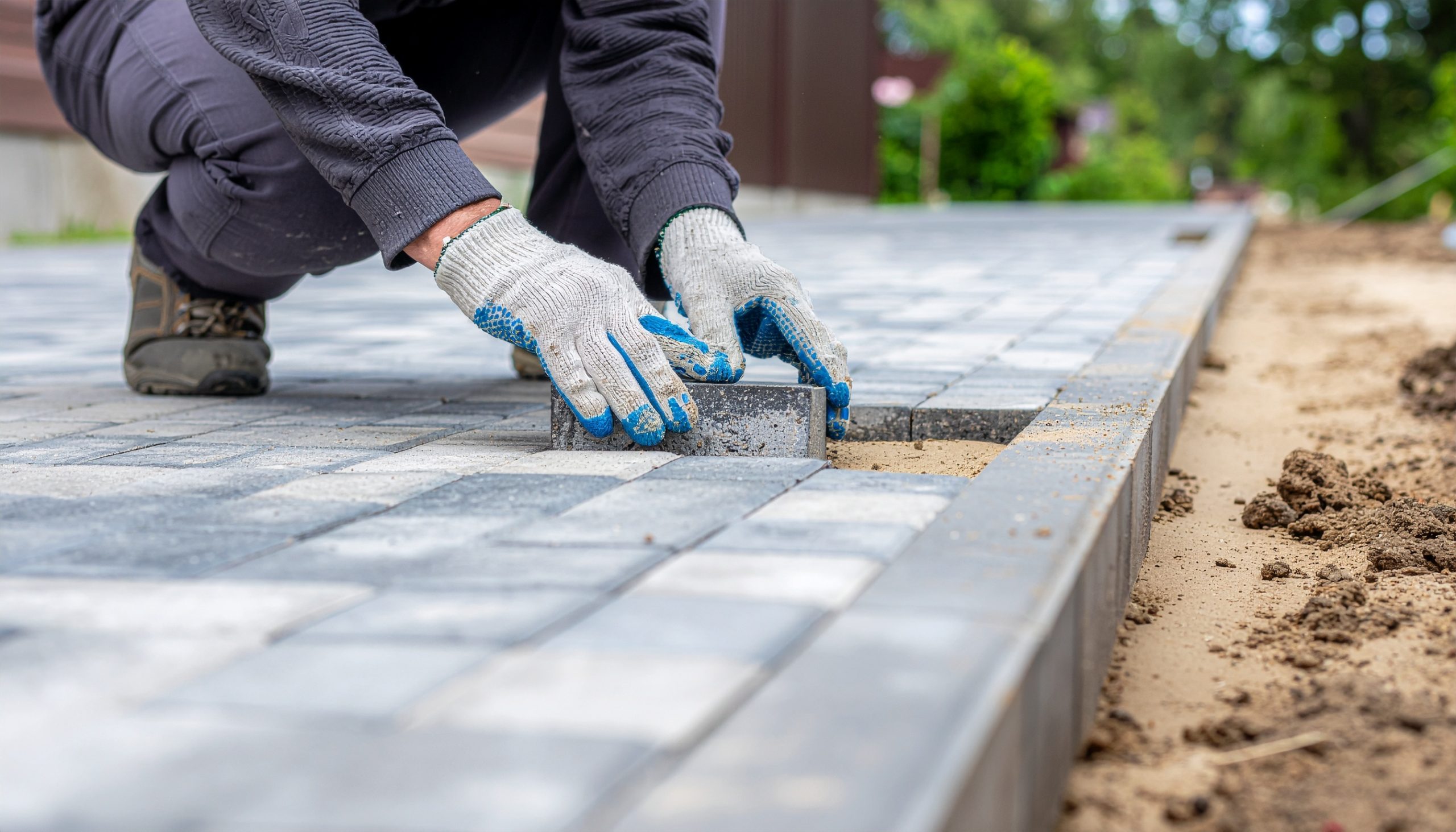
Outside the home, we build or repair driveways, patios, walkways, and retaining walls that promote proper water flow away from your foundation. Smart grading and quality concrete placement help reduce water pressure against your basement walls and slab.
Foundations and Basements
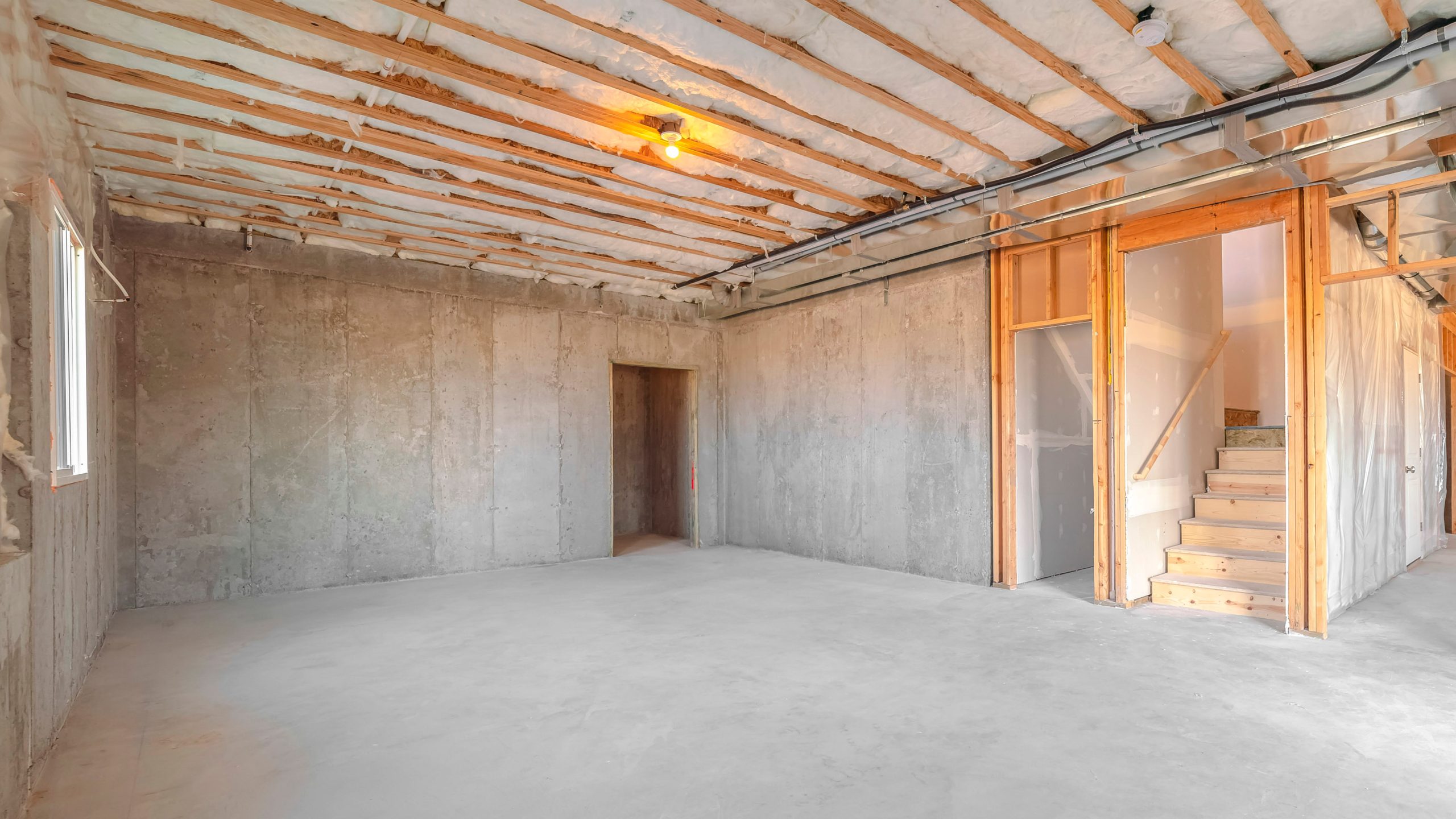
From new foundations to basement concrete work, we bring precision and care to every project. If a slab has failed beyond repair, we can replace it with a properly reinforced, jointed, and finished floor to manage future movement and minimize new cracks.
Our Process
- Consultation: We listen to your concerns and review the history of the space.
- Site evaluation: We assess cracks, efflorescence patterns, drainage, and moisture levels.
- Plan and estimate: You receive a clear scope with repair options and timelines.
- Preparation: We protect your home, move or cover items, and set up dust control.
- Repair and treatment: We complete crack repairs, sealing, or resurfacing as planned.
- Quality check: We inspect the work with you and explain maintenance tips.
- Follow up: We stand behind our craftsmanship and are available for future support.
Frequently Asked Questions
Is the white powder mold?
Most of the time it is not mold. Efflorescence is a mineral deposit that wipes away like chalk. Mold is usually dark, fuzzy or smeary, and has a musty smell. If you are unsure, our team can help identify it.
Will cleaning remove it for good?
Cleaning removes residue, but it will return if moisture keeps moving through the concrete. Fixing moisture sources and sealing or repairing basement floor cracks are key to long term results.
Can sealing trap moisture and make things worse?
It can if the wrong product is used. We use breathable, penetrating sealers that reduce water absorption but still allow vapor to escape. For floors that need coatings, we evaluate moisture first and choose systems designed for the site conditions.
Is efflorescence a structural problem?
Not by itself. It is a sign of moisture travel. However, if it appears alongside widening basement floor cracks, spalling, or wall movement, there may be a structural concern. A professional evaluation is wise.
My home is new. Why am I seeing it?
New concrete releases moisture as it cures, and that can carry salts to the surface. This often settles down over time. If deposits persist or you see damp spots, ventilation and dehumidification can help, and you may benefit from sealing once the slab is ready.
Is it safe to store boxes on the floor?
Moisture can wick into cardboard and fabrics, which can lead to odor and damage. Use plastic shelving and keep items off the floor until moisture levels are under control.
Serving Southeast Wisconsin With Pride
Custom Concrete & Stone Design is a Milwaukee based company trusted for residential and commercial concrete throughout Southeast Wisconsin. We create custom solutions for driveways, patios, retaining walls, garages, basements, and foundations. Our team is known for top quality materials, skilled craftsmanship, and designs tailored to your needs. Whether you are dealing with efflorescence, basement floor cracks, or a worn slab, we bring over 30 years of experience to every job.
Take the Next Step
Do not let white powder and moisture linger. The sooner you act, the easier it is to protect your basement, finishes, and indoor air. Schedule an inspection with Custom Concrete & Stone Design today. We will pinpoint the cause, explain your options, and deliver a clean, lasting solution for your basement walls and floors. If you live in Milwaukee, Waukesha, Ozaukee, Washington, Racine, or Kenosha counties, our local team is ready to help.
Key Takeaways
- The white powder on basement concrete is usually efflorescence caused by moisture moving through concrete and leaving salts behind.
- Efflorescence often appears along basement floor cracks, which act as pathways for moisture.
- Cleaning removes the residue, but prevention requires controlling moisture and repairing or sealing cracks.
- Breathable sealers, improved drainage, dehumidification, and professional crack repair are the most effective long term strategies.
- Custom Concrete & Stone Design provides expert inspection, repair, and concrete solutions tailored to Southeast Wisconsin homes.
If you are concerned about recurring deposits or growing basement floor cracks, contact Custom Concrete & Stone Design for a thorough, trustworthy assessment and a plan that keeps your basement dry and durable.