Quick Answer
Light, stable hairline cracks in a garage floor are usually safe to park on for now. Wide, raised, sunken, or actively spreading cracks are not safe to park on and can damage your vehicle, trip you up, or lead to bigger concrete problems. If you see movement, moisture, or crumbling edges, pause parking in that area and call a professional. Garage floor resurfacing and targeted repairs restore safety, protect your home, and improve curb appeal. In Southeast Wisconsin, Custom Concrete & Stone Design can inspect, repair, and resurface your floor with proven methods matched to our climate.
Why Garage Floors Crack
Concrete is strong, but it is not flexible. Over time it shrinks, moves with temperature swings, and responds to soil and moisture conditions under your slab. Understanding what caused your cracks helps you decide if it is safe to keep parking and which fix will last.
- Shrinkage as new concrete cures, causing thin hairline cracks
- Freeze-thaw cycles that expand moisture in the slab and subbase
- Salt and deicers carried in on winter tires that break down concrete paste
- Poor drainage that lets water collect along slab edges or joints
- Inadequate base compaction that allows settlement and slab rocking
- Heavy loads from trucks, lifts, or storage concentrated on small areas
- Missing or misplaced control joints that force random cracking
- Soil movement and clay expansion under the slab
Is Parking on a Cracked Garage Floor Safe?
Hairline shrinkage cracks
If the crack is thinner than a credit card and the two sides are level, it is often cosmetic. Parking is typically safe for now. Keep an eye on it. Seal it to block water and road salt so it does not widen during winter.
Structural or active cracks
If the crack is wider than 1/8 inch, shows fresh spalling or crumbling, or changes width with the seasons, avoid parking on it. Movement indicates load or soil issues. Continued parking can make the damage spread and raise repair costs.
Trip lips and heaving
Any height difference of 1/4 inch or more between sides is a red flag. It can catch a tire, twist a suspension, and cause trips. Heaving from frost or tree roots needs correction before you park there again.
- Red flags that mean do not park: edges breaking, holes or voids, damp or efflorescence along the crack, rocking slab sections, or hollow sounds under a tire path
- If your garage door drags or the floor slopes toward the house after cracking, call a pro quickly to protect your foundation and interior finishes
Risks of Ignoring Cracks While Parking
- Vehicle damage from sharp spalled edges or sunken spots
- Wider cracking from repeated load and vibration
- Water intrusion that weakens the subbase and feeds freeze-thaw damage
- Salt penetration that accelerates concrete breakdown and rebar corrosion
- Rodent or insect paths through gaps along walls and joints
- Trip hazards for you and your family
- Lower home value and inspection flags when selling
How to Evaluate Your Floor in 10 Minutes
- Measure crack width. If you can slip a quarter into it, it needs repair soon.
- Check for height differences using a straightedge or level.
- Tap around the crack with a hammer handle. A hollow sound means voids below.
- Look for moisture, white powder, or dark damp lines after rain or snow melt.
- Sweep and see if sand or gravel emerges from the crack edges. That means raveling.
- Park a car slowly and feel for rocking or popping under the tires.
- Check slope with a level. The floor should pitch toward the overhead door, not the house.
- Photograph the crack now and again in 30 days to track growth.
Proven Fixes for Cracked Garage Floors
Crack cleaning and sealing
For hairline and static cracks, deep cleaning and sealing is a cost-effective first step. Pros chase the crack with a saw or grinder, remove dust, then inject or fill with flexible epoxy or polyurethane. This blocks water and salt, reduces further cracking, and improves appearance. It is not meant to correct height differences.
Stitching and doweling
For wider or working cracks, contractors cut slots across the crack and install carbon fiber or steel staples, then epoxy them in place. This ties the slab together and limits future movement. It can be combined with resurfacing for a seamless look.
Slab jacking or polyurethane foam lifting
If sections have settled, targeted lifting can restore support and reduce cracking. Holes are drilled through the slab and grout or expanding foam is injected under pressure to fill voids and raise the slab gently. This addresses the cause and prepares the surface for garage floor resurfacing.
Garage floor resurfacing
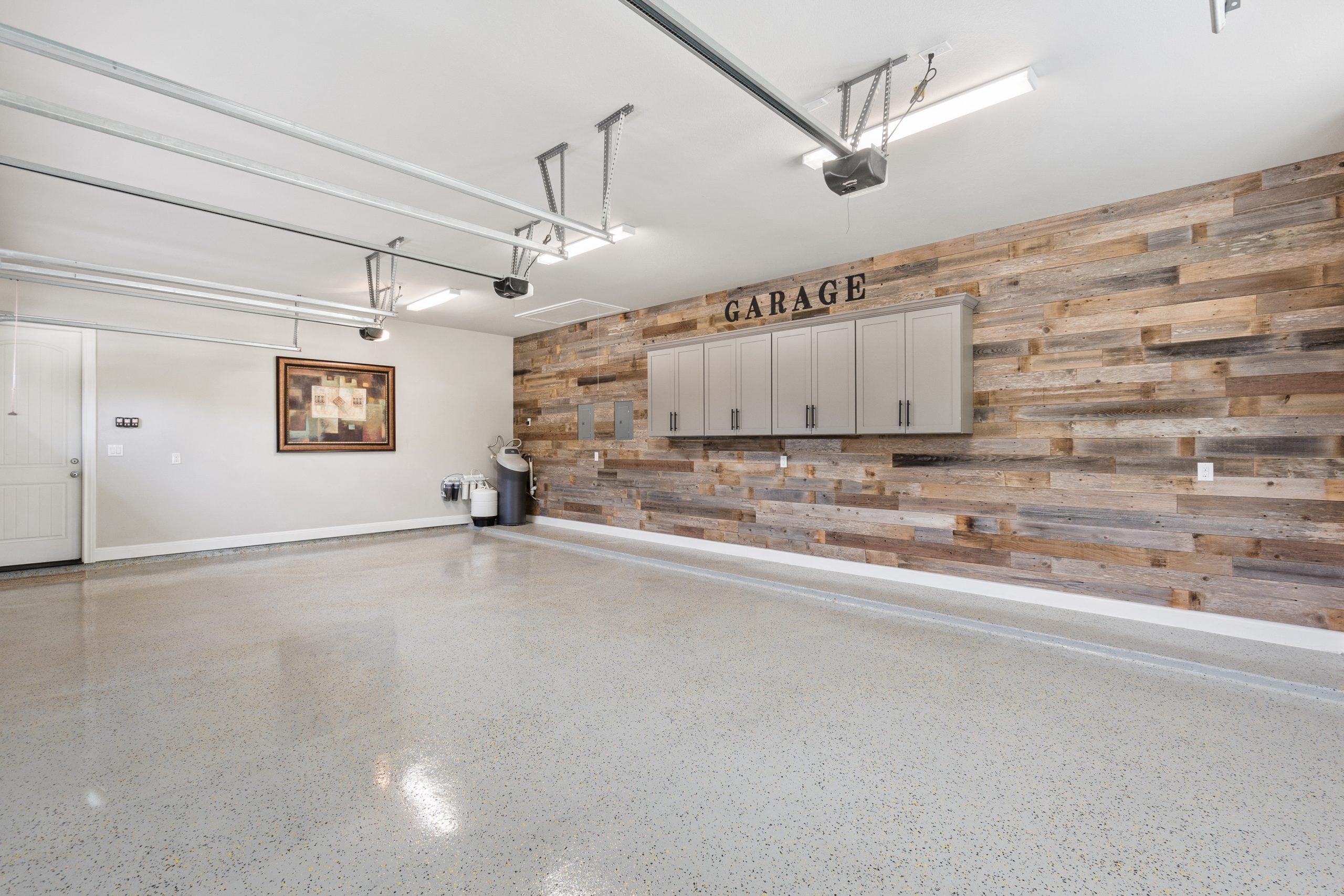
Garage floor resurfacing installs a new wear layer over sound concrete after cracks are repaired. Options include polymer-modified concrete overlays, epoxy flake systems, polyaspartic coatings, and urethane topcoats. Resurfacing renews texture and color, corrects minor pitting, and seals against chemicals and salt. In many Milwaukee-area garages, a repaired and resurfaced floor delivers the best balance of cost, durability, and appearance.
- Smoother, safer surface for parking and foot traffic
- Moisture and salt resistance for harsh Wisconsin winters
- Fast installation with short downtime compared to full replacement
- Custom colors, flakes, and finishes to match your home
- Often more affordable than ripping out and repouring the slab
When replacement is best
If the concrete is severely fractured, has extensive heaving, or shows widespread subbase failure, full replacement is the right fix. A reputable contractor will tell you when resurfacing is not the long-term solution.
What to Expect From Professional Garage Floor Resurfacing
Custom Concrete & Stone Design follows a proven process tailored to Southeast Wisconsin homes and weather. Decades of experience mean we recommend the right fix the first time and deliver a surface that stands up to winter salt, temperature swings, and daily use.
- Inspection and testing. We assess crack types, measure moisture, test hardness, and check slope and drainage.
- Surface preparation. Dust-controlled grinding removes weak paste and opens the surface for bonding. We repair spalls and pop-outs so your overlay or coating adheres.
- Structural crack repair. We seal, stitch, or inject as needed to stabilize the slab before resurfacing.
- Moisture mitigation. If testing shows elevated moisture, we install a moisture-blocking primer or recommend drainage improvements.
- Resurfacing system. We install a polymer-modified overlay, epoxy flake system, or polyaspartic coating based on your goals for traction, color, and maintenance.
- Topcoat and sealing. A high-performance urethane or polyaspartic topcoat improves chemical resistance and UV stability.
- Cure and handoff. We review care instructions and parking timelines specific to the system you choose.
Timelines and Parking Downtime
Crack sealing alone can be done in a day, with light foot traffic in a few hours. For coatings and overlays, here are typical guidelines:
- Epoxy flake systems: walk in 12 to 24 hours, park in 48 to 72 hours
- Polyaspartic systems: walk in 2 to 4 hours, park in 24 hours
- Polymer-modified concrete overlays: light foot traffic in 24 hours, vehicles in 3 to 7 days depending on temperature and thickness
Cold garage temperatures slow cure times. Custom Concrete & Stone Design schedules work around local conditions and sets heaters or fans when needed to keep your project on track.
Cost Factors in Southeast Wisconsin
Prices vary by damage, prep level, and finish type. Expect higher costs if subbase voids need filling, large areas require grinding, or moisture control is needed. Here are the biggest drivers:
- Extent of cracking and spalling
- Need for slab lifting or structural stitching
- Resurfacing system choice and number of coats
- Decorative elements like flakes, borders, or custom colors
- Moisture mitigation and drainage improvements
- Garage size and access for equipment
Many homeowners in Milwaukee, Waukesha, Ozaukee, Washington, Racine, and Kenosha counties choose garage floor resurfacing because it offers a strong return on investment compared to full replacement. During your estimate, Custom Concrete & Stone Design explains good, better, and best options so you can choose what fits your goals and budget.
Maintenance Tips After Resurfacing
- Follow the recommended cure time before driving or turning tires in place.
- Use soft tire turns. Avoid dry steering when the car is not moving.
- Place mats under tires during the first weeks in cold weather.
- Shovel plastic or rubber blades and avoid metal edges on the surface.
- Rinse winter salt regularly. Mild detergent and water protect your topcoat.
- Use only approved cleaners. Skip harsh acids or degreasers not rated for coatings.
- Re-seal as advised for your system to keep gloss and protection strong.
DIY vs Professional
- DIY is okay for small, non-moving hairline cracks with simple flexible sealants. Follow the label and prep carefully.
- Call a pro for wide, raised, sunken, or damp cracks, hollow-sounding areas, or if you want a long-lasting resurfaced finish. Proper grinding, moisture testing, and industrial-grade products make all the difference in durability.
Why Choose Custom Concrete & Stone Design
Custom Concrete & Stone Design is a Milwaukee-based contractor with more than 30 years of experience in residential and commercial concrete. We serve Southeast Wisconsin, including Milwaukee, Waukesha, Ozaukee, Washington, Racine, and Kenosha counties. Our team specializes in stamped concrete, driveways, patios, retaining walls, garages, basements, foundations, and more. We combine top-quality materials with skilled craftsmen to deliver custom looks and reliable performance. When it comes to cracked garage floors, we guide you from inspection to repair to garage floor resurfacing, all backed by clear communication and a customer-first approach.
- Local expertise in freeze-thaw durability and salt resistance
- Thorough prep with dust-controlled grinding for strong adhesion
- Moisture and hardness testing to choose the right system
- Structural crack repair and slab lifting available when needed
- Custom design options that boost curb appeal and resale value
- Reliable schedules and honest recommendations for repair vs replacement
Frequently Asked Questions
- Can I park on a hairline crack? Yes, if it is level and dry. Seal it soon to prevent water and salt intrusion.
- What if the crack is getting wider? Stop parking on it and call a professional. Active movement can lead to larger failures.
- Is garage floor resurfacing slippery? Modern systems can be textured or broadcast with flakes or traction media for safe footing.
- Will resurfacing hide all cracks? Proper repair plus resurfacing hides most cracks and prevents telegraphing, but severe movement may require stitching or lifting first.
- How long will a resurfaced garage floor last? With proper prep, pro products, and routine care, many systems last 10 to 20 years or more.
- Does winter salt ruin coatings? Quality epoxy, polyaspartic, and urethane topcoats resist salt. Rinse regularly to extend life.
- Can I resurface over a damp floor? Not without the right moisture mitigation. Testing and primers solve this in most cases.
When to Call Immediately
- Cracks wider than 1/4 inch or growing in length
- Uneven lips or rocking slab sections under a vehicle
- Moisture, staining, or white powder along cracks
- Floor pitching toward interior walls or door misalignment
- Pests or visible voids under slab edges
Make a Plan: From Crack to Clean, Strong Surface
- Schedule a professional inspection. Get clear answers about safety and cause.
- Stabilize first. Seal, stitch, or lift to stop movement.
- Choose your finish. Compare overlays and coating systems for your goals.
- Protect and maintain. Follow simple care steps and enjoy years of low-hassle use.
Ready to Make Your Garage Safer?
If you are unsure whether it is safe to park on your cracked garage floor, do not guess. Custom Concrete & Stone Design can evaluate your slab, explain what is happening and why, and give you straight answers on the best fix. From targeted repairs to full garage floor resurfacing, we deliver a durable, attractive surface that stands up to Southeast Wisconsin weather. Contact Custom Concrete & Stone Design today to schedule your inspection and get a clear, step-by-step plan for a safer, better-looking garage floor.