If you have noticed gaps along your concrete, hollow sounds when you tap the slab, or soil disappearing near your driveway or patio, you might be wondering if a sinkhole is forming. The good news is that most cases are not true sinkholes. The bad news is that dirt washing out under a slab can quickly lead to settling, cracking, and costly damage if you wait. Many homeowners start by searching for concrete leveling services near me. That is a smart first step. With the right local team, you can stop the washout, stabilize your slab, and restore a safe, even surface.
Why Dirt Washes Out From Under Concrete
Concrete slabs depend on the soil beneath them to carry the load. When the support soil erodes, settles, or shifts, voids form and the slab loses its base. In Southeast Wisconsin, several factors can trigger this.
Common causes of soil washout
- Poor drainage near the slab. Short downspouts, missing splash blocks, or gutters that overflow can send water straight under your concrete.
- Improper grading. If your yard slopes toward the house or garage, water will follow gravity and undermine the slab.
- Plumbing or irrigation leaks. A slow leak in a supply line, hose bib, or sprinkler line can carry soil away day after day.
- Freeze and thaw cycles. Our Wisconsin winters expand and contract soils. This movement can open pathways for water and create voids as ice melts.
- Weak or uncompacted fill. If the ground was not compacted before the concrete was poured, it may settle unevenly over time.
- Burrowing animals. Mice, voles, and other small animals can loosen soil under walkways, patios, and stoops.
- Heavy traffic or loads. Repeated vehicle weight or stored materials can stress the slab and push soil out from beneath it.
- Nearby excavation. Utility trenches or previous yard projects can disturb the soil structure around your slab.
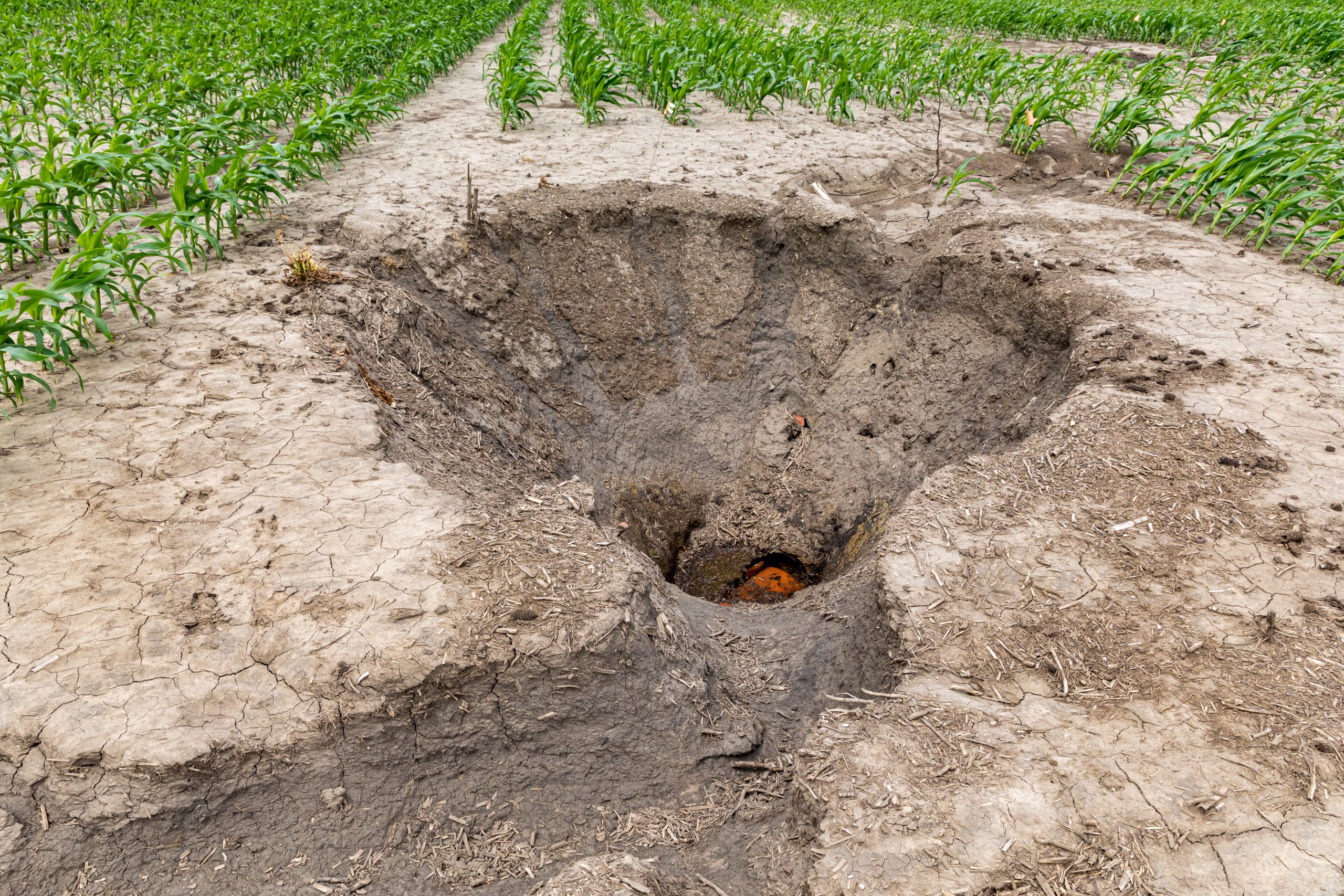
Not every void is a sinkhole. True sinkholes are rare and are usually tied to dissolving rock deep underground, which is not common in most residential Milwaukee neighborhoods. Most hollow spots form from water and settlement issues that a skilled concrete contractor can diagnose and fix.
Is It a Sinkhole or Normal Settling?
It is important to spot the difference between regular wear and a serious problem. You can start with a quick visual check, but it is smart to bring in a professional for a clear plan of action.
Warning signs around driveways, patios, and walks
- Gaps between the slab and the adjacent soil that keep growing after rainstorms.
- Sections that have sunken at the edges or near control joints.
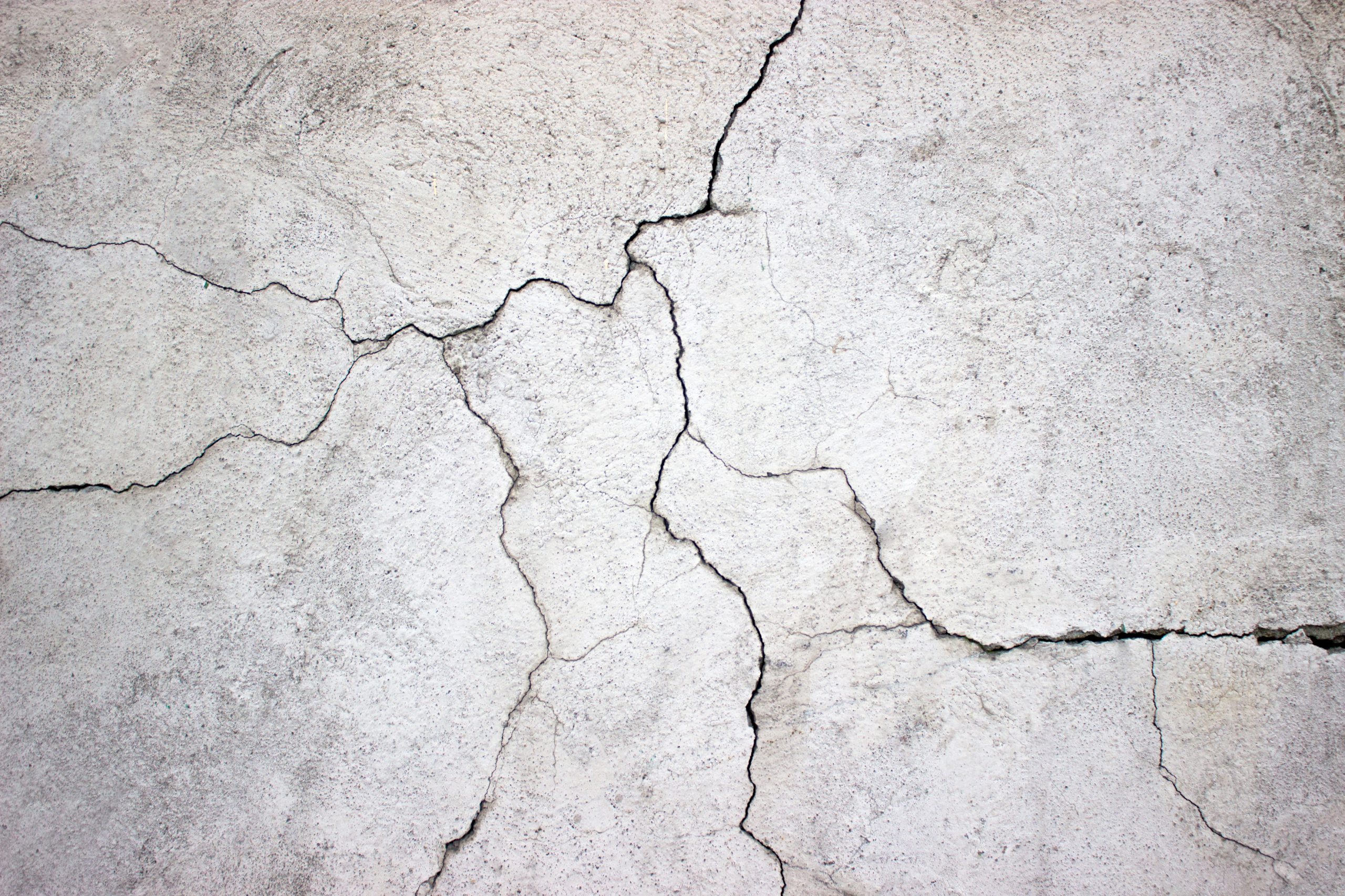
- Cracks that widen or show one side higher than the other, known as differential settlement.
- Water pooling where it used to drain, or runoff flowing toward the house.
- Hollow, drumlike sounds when you tap the surface with a mallet.
Warning signs near the home, garage, or basement
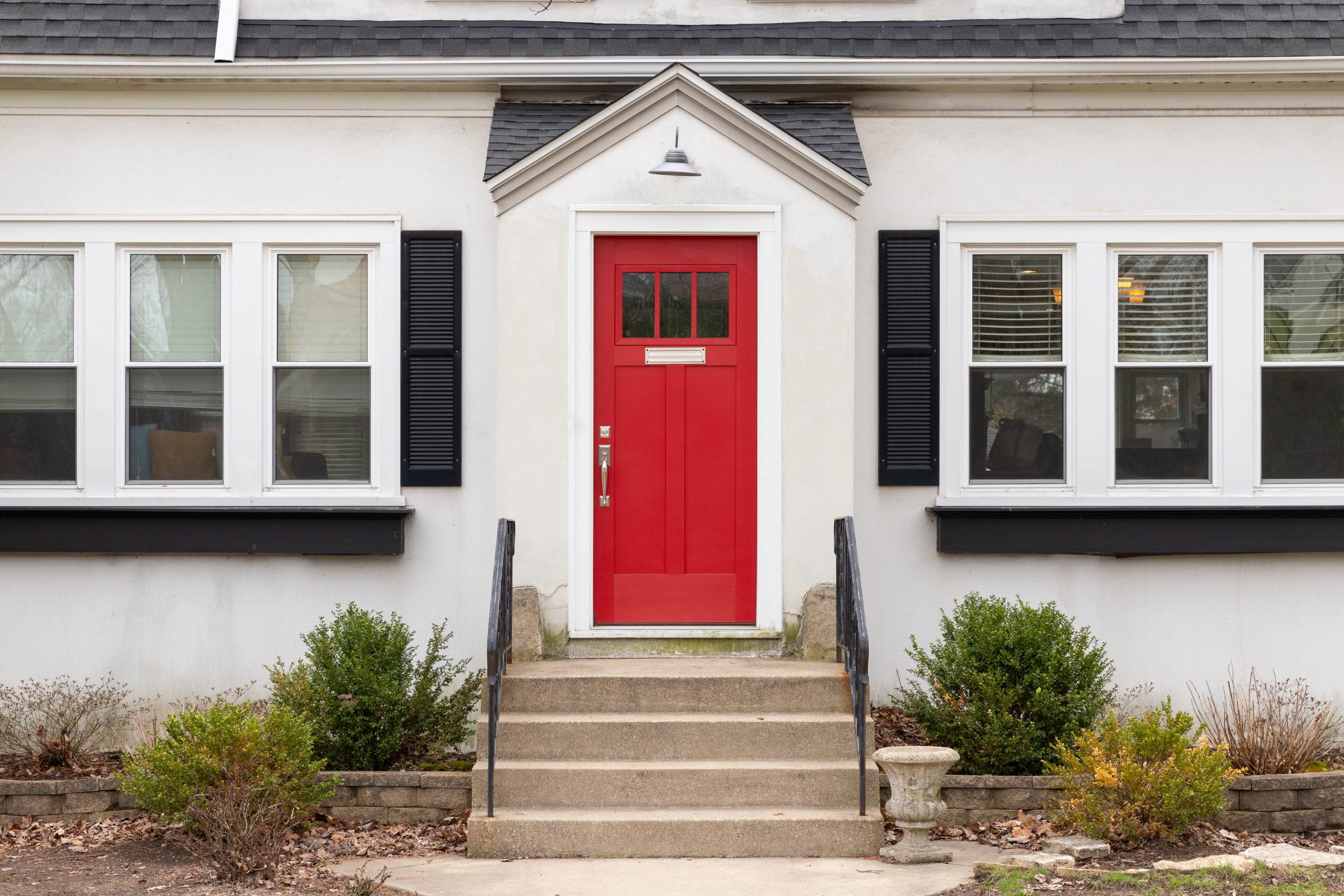
- Steps or stoops pulling away from the house wall.
- Gaps opening under garage floors at the apron or near the door.
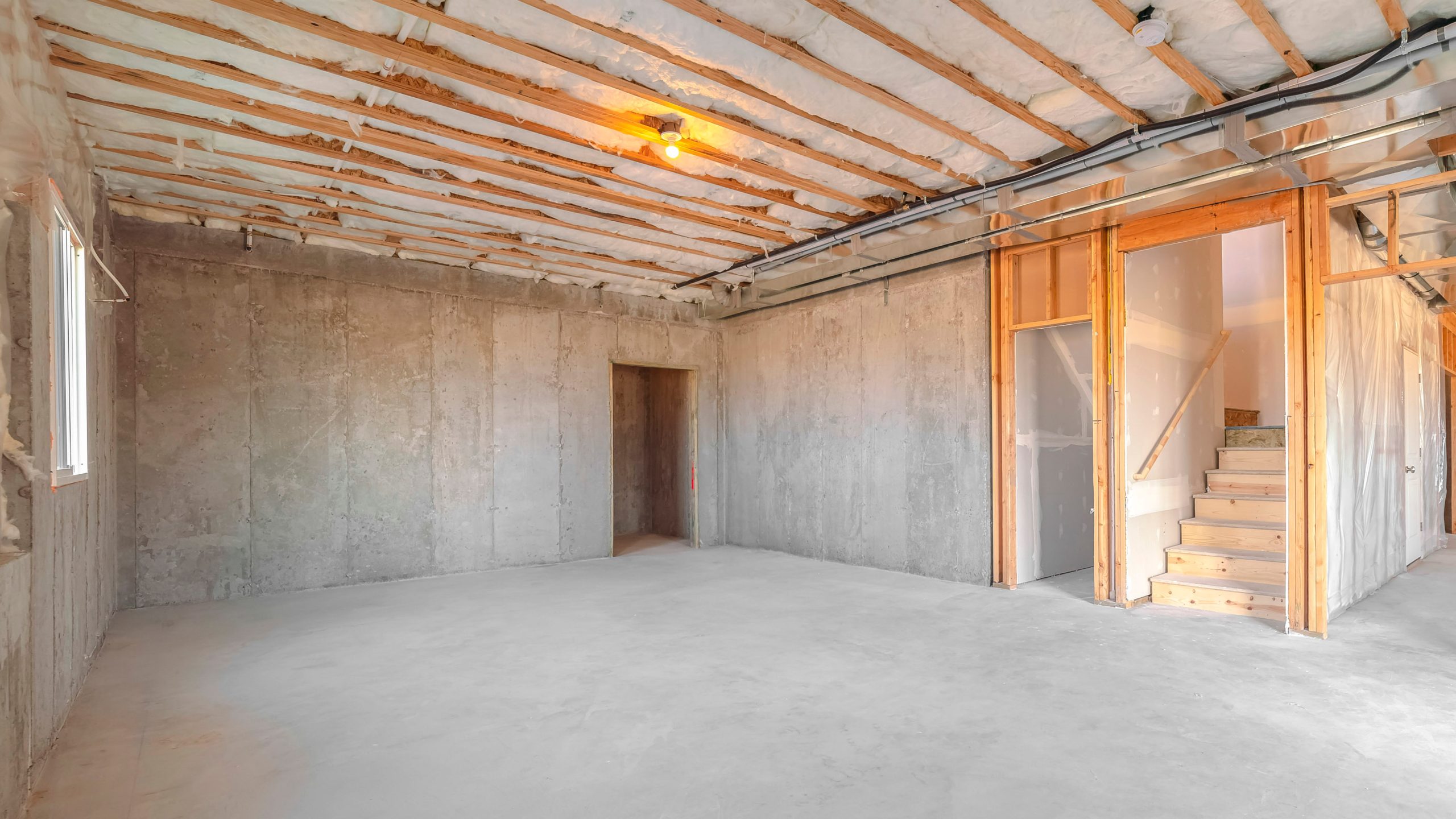
- Basement slab corners dropping or forming hairline cracks that widen over time.
- Doors or windows sticking after heavy rain.
Any one of these signs is a reason to call a local expert and ask about concrete leveling services near me. A fast inspection can separate cosmetic issues from structural red flags and help you act before damage spreads.
What Happens If You Wait
Ignoring soil washout rarely ends well. Water and gravity keep working, and small voids can become large ones. If you delay, you may face the following risks.
- Trip hazards that can cause injuries to family and guests.
- Wider cracks that allow more water to infiltrate and freeze, making damage worse.
- Stress on adjacent structures like porch columns, retaining walls, and foundation walls.
- Pest entry points under stoops and slabs.
- Water intrusion into garages and basements, especially during spring thaw.
- Higher repair costs if sections need replacement rather than leveling.
What to Do Right Now
You can take several immediate steps to protect your property while you schedule a professional inspection.
- Redirect water. Add downspout extensions to move runoff at least 6 to 10 feet from the slab edge. Clear gutters so they do not overflow.
- Mark hazards. Use cones, tape, or planters to draw attention to low spots until they are fixed.
- Avoid heavy loads. Do not park vehicles or store heavy materials on compromised areas.
- Document changes. Take photos after rain and note any new gaps or pooling. This helps your contractor analyze the problem.
- Search for concrete leveling services near me and choose a local company with solid experience in Milwaukee area soils and weather.
How Pros Fix Voids and Sunken Slabs
Not every slab needs to be replaced. In many cases, a skilled contractor can stabilize the soil, fill the voids, and lift the slab back to a safe, level position.
Concrete leveling and lifting
Also called slabjacking, this method raises sunken concrete by injecting material beneath the slab to fill voids and restore support. There are two common approaches.
- Mudjacking. A cement-based slurry is pumped through small holes to build a new base under the slab. It is effective for many residential applications.
- Polyurethane foam lifting. Expanding foam is injected under the slab to gently lift it. Foam is lightweight and cures quickly, which often allows faster return to service.
Your contractor will recommend a method based on soil conditions, slab thickness, access, and use. Both approaches are proven when done correctly.
Soil stabilization and compaction
Where soils are loose or moisture content is high, additional stabilization may be needed. Techniques might include targeted compaction, grout injection to densify soils, and subgrade improvement near slab edges to prevent future washout.
Drainage corrections
Leveling alone will not hold if water keeps washing soil away. A complete fix often includes improving surface grading, adding or extending downspouts, installing French drains in problem areas, and sealing joints to block water at the slab surface.
Selective replacement when needed
In cases of severe fracture or missing base support, replacing a section can be the most reliable option. A quality contractor will help you weigh cost, timeline, and long-term performance so you do not overspend or under-repair.
Why Southeast Wisconsin Homeowners Choose Custom Concrete & Stone Design
When you search for concrete leveling services near me, you want a local team that understands our climate, soil types, and building styles. Custom Concrete & Stone Design is a Milwaukee-based company with more than 30 years of experience serving homeowners and businesses across Southeast Wisconsin. We deliver stamped concrete, driveways, patios, retaining walls, garages, basements, foundations, and more, and we bring the same craftsmanship to every project, large or small.
- Local expertise. We know how freeze and thaw, clay and sandy soils, and lake effect weather impact slabs from Milwaukee to Kenosha.
- Full-service approach. From leveling to drainage improvements and decorative finishes, we custom-build solutions that last.
- Skilled craftsmen. Our crews use top-quality materials and proven techniques to raise, stabilize, and protect your concrete.
- Customer-focused process. Clear communication, on-time scheduling, and clean job sites are part of our standard.
- Service coverage. We work throughout Milwaukee, Waukesha, Ozaukee, Washington, Racine, and Kenosha counties.
Custom Concrete & Stone Design believes every property is unique. We do not push one-size-fits-all fixes. We inspect, measure, and recommend the right repair for your exact situation, and we stand behind our work.
Our Process: From Inspection to Finished Slab
A careful process leads to the best result. Here is how our team typically handles washout and settlement issues.
- Site visit and assessment. We examine the slab, surrounding grading, gutters, and potential water sources. We take elevations and note all movement.
- Plan and estimate. We explain your options, such as mudjacking or foam lifting, outline drainage corrections if needed, and provide a clear, written estimate.
- Prep and protection. We protect nearby landscaping and structures, set up safe access, and mark utility lines where required.
- Leveling and stabilization. We drill small ports, inject material to fill voids and lift as needed, then stabilize edges and joints.
- Drainage and sealing. We add downspout extensions, recommend grading changes, and seal key joints and cracks to keep water out.
- Cleanup and walkthrough. We patch injection holes to match, remove debris, and review the results with you.
- Aftercare guidance. We provide simple steps to maintain drainage and extend the life of your slab.
Costs, Timelines, and What to Expect
Most leveling projects cost less than full replacement and can be completed in hours rather than days. Foam lifting often allows use of the slab the same day once the material cures. Mudjacking may require a short wait before heavy loads return. Total cost depends on the size of the affected area, the extent of voids, access, and any drainage work needed. Home insurance does not usually cover ground movement, but damage caused by a covered plumbing leak may qualify. We can help you document conditions for your records.
How to Prevent Future Washout
After repair, a few simple habits will protect your investment and reduce the chance of repeat problems.
- Maintain gutters and downspouts. Clean them twice a year and use extensions to push water well away from concrete edges.
- Check grading. Aim for a gentle slope that carries water away from the house and garage.
- Seal joints and cracks. Keep water from wicking through control joints and surface cracks with quality sealants.
- Control irrigation. Water lawns and beds so that soil is moist, not saturated, and avoid sprinklers that spray onto slabs.
- Fix leaks fast. Address any outdoor faucets, sump discharge lines, or irrigation issues at the first sign of trouble.
- Monitor seasonal changes. Walk your slab after big storms and spring thaw to catch early signs of movement.
- Keep heavy loads off edges. Do not park vehicles or place heavy planters at unsupported slab edges.
Frequently Asked Questions
Is my issue a real sinkhole?
True sinkholes are rare in our region. Most cases are soil washout or settlement that a professional can correct with leveling, stabilization, and drainage improvements. A quick inspection will tell you for sure.
Will concrete leveling fix my problem for good?
Leveling addresses current voids and settlement. Long-term success depends on stopping the water source. That is why Custom Concrete & Stone Design pairs leveling with smart drainage steps and sealing.
Which is better, mudjacking or polyurethane foam?
Both are effective when used in the right conditions. Foam is lighter and cures fast. Mudjacking uses a cement-based mix that can be very cost-effective. We will recommend the method that best fits your slab and soil.
How soon can I use my slab after leveling?
With foam lifting, many slabs are ready the same day. With mudjacking, light foot traffic is often OK soon after, while heavy loads may require a longer wait. We will provide exact guidance on site.
Will the repair holes be visible?
Injection holes are small and we patch them to blend with your concrete. Over time, they become even less noticeable. On decorative or stamped surfaces, we take extra care to match the pattern and color.
Can you work during cold weather?
Yes, with proper materials and procedures. In winter we consider temperature, moisture, and curing times, and we schedule work during favorable conditions.
Do I need to replace my slab instead of leveling?
Only when the concrete is badly broken or missing support across large sections. In many cases, leveling and stabilization deliver a strong, long-lasting result for a fraction of the cost of replacement.
Serving Milwaukee and Neighboring Counties
Custom Concrete & Stone Design proudly serves homeowners and businesses across Southeast Wisconsin, including Milwaukee, Waukesha, Ozaukee, Washington, Racine, and Kenosha counties. If you are searching for concrete leveling services near me anywhere in this region, our local team is ready to help with fast inspections and reliable repairs.
When to Call a Professional
If you see new gaps after storms, noticeable sinking, or water draining toward your home, do not wait. Soil washout can move quickly once it starts. A local expert can confirm the cause, stabilize the area, and protect your foundation and finishes before larger issues appear.
Why Trust Custom Concrete & Stone Design
For more than 30 years, Custom Concrete & Stone Design has delivered high-quality residential and commercial concrete solutions across Southeast Wisconsin. Our services include stamped concrete, driveways, patios, retaining walls, garages, basements, and foundations. We combine top materials with the skill of seasoned craftsmen to create custom, durable results. Our team respects your home, your time, and your budget. From the first call to the final walkthrough, we put your needs first.
Ready to Stop the Washout Under Your Slab?
If dirt is washing under your concrete, acting now can save you money and stress. Instead of guessing, schedule a local inspection with a trusted team. When you search for concrete leveling services near me, choose Custom Concrete & Stone Design for clear answers, a tailored plan, and quality work that lasts. Contact us today to book your inspection and take the first step toward a safe, level, and protected slab.