Seeing White Powder on Your Basement Floor? Here Is What It Means
If you see a white crusty powder on your basement floor, you are likely looking at efflorescence. Efflorescence happens when water moves through concrete, dissolves natural salts inside the slab, and leaves a chalky residue as the water evaporates. It often appears as light, flaky crystals or a thin, dusty film. While it looks alarming, efflorescence is usually a symptom of moisture movement rather than a sign that your concrete is failing. Still, it can point to underlying moisture problems and even reveal basement floor cracks that need attention.
In this guide, Custom Concrete & Stone Design explains what causes the white powder, how it connects to moisture and basement floor cracks, and what you can do to clean it up, stop it from coming back, and protect your home. Our team serves homeowners and businesses across Southeast Wisconsin, including Milwaukee, Waukesha, Ozaukee, Washington, Racine, and Kenosha counties.
What Is Efflorescence and Why Does It Show Up on Concrete?
Concrete is porous. Even when it looks solid, it has tiny pathways that allow water vapor to move in and out. When liquid water or vapor passes through the slab, it can carry dissolved minerals such as calcium hydroxide and other salts to the surface. Once the moisture evaporates, the salts are left behind as a white crystalline crust. This deposit is called efflorescence.
Efflorescence is very common in basements because basements sit below grade where soil moisture is higher. It often appears in winter or spring when groundwater levels shift, snow melts, or humidity rises. It also shows up near cold joints, control joints, saw cuts, or around basement floor cracks where water has an easier path to the surface.
Is the White Powder Dangerous?
Efflorescence is not toxic. It does not damage the structural integrity of sound concrete by itself. It can, however, signal that excess moisture is moving through the slab. Ongoing moisture can lead to other issues like damp smells, mold growth on organic materials, and deterioration of adhesives or floor coverings. The bigger risk is not the powder itself, but the moisture behind it and any hidden basement floor cracks that are letting water in.
How to Tell Efflorescence From Mold
It is important to know whether the white substance is mineral salts or mold. Here are quick checks you can do:
- Touch test: Efflorescence feels gritty or powdery and brushes off easily. Mold feels fuzzy or slimy and smears.
- Water test: A pinch of efflorescence dissolves in water. Mold will not dissolve.
- Color: Efflorescence is white or light gray. Mold can be white but often turns green, black, or brown and grows on wood, drywall, or carpet rather than bare concrete.
If you still are not sure, a professional inspection can help you identify both moisture and microbial growth.
What Causes Efflorescence in Basements?
Efflorescence points to moisture migration. Common sources include:
- Groundwater and hydrostatic pressure that push moisture through the slab
- Capillary action where soil moisture wicks into concrete
- Seasonal wetting from rain, snow melt, or a high water table
- Plumbing leaks or appliance leaks near the slab
- Poor exterior drainage, clogged gutters, or short downspouts
- Lack of vapor barrier under the slab in older homes
- New concrete that is still curing and bleeding minerals
Any of these can contribute to white powder and may also create or widen basement floor cracks. Addressing the moisture source is the key to lasting results.
How Basement Floor Cracks Fit Into the Picture
Efflorescence often highlights basement floor cracks. Cracks can become highways for vapor and even liquid water. If you see white powder forming along a crack, it is a sign that moisture is moving through that path. While many basement floor cracks are not structural, they still need to be sealed to limit moisture and to protect floor finishes.
Common Types of Basement Floor Cracks
Not all cracks are the same. Knowing the difference helps you choose the right fix.
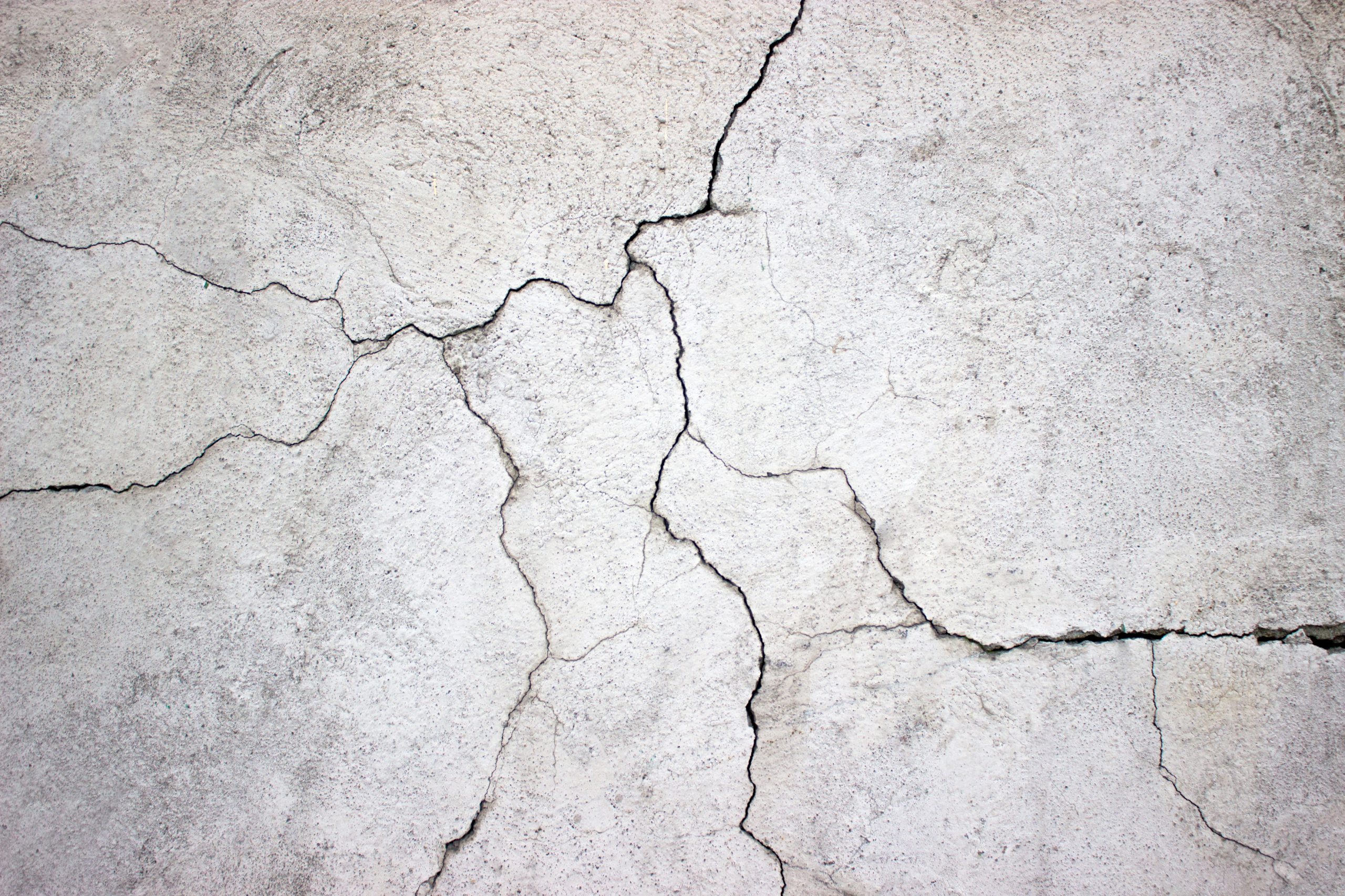
- Hairline shrinkage cracks: Very thin lines caused by normal drying and curing. Often cosmetic but can let in moisture.
- Control joint cracks: Cracks that occur at saw cuts or planned joints where the slab is designed to crack. Usually normal but should be sealed.
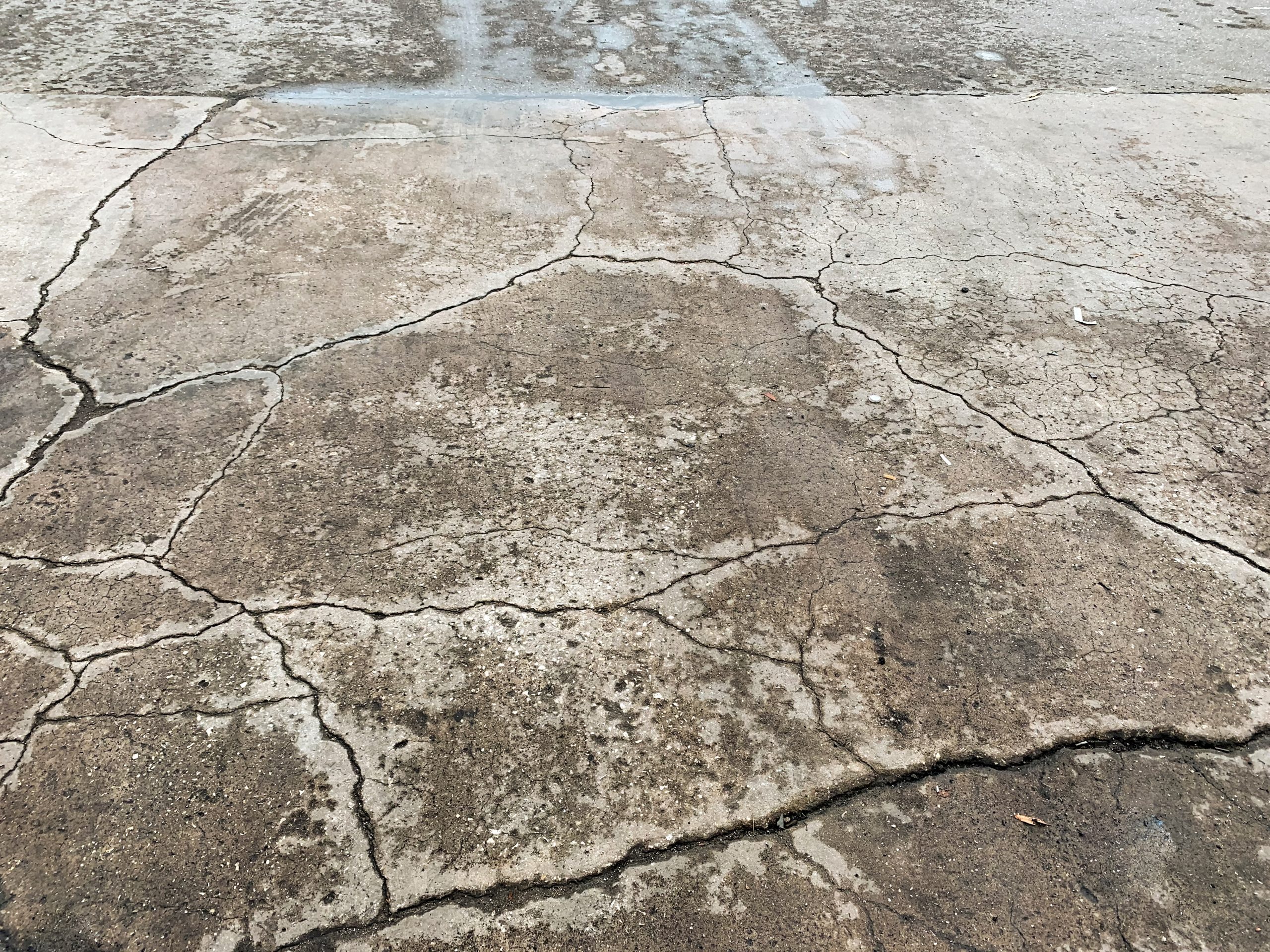
- Map cracking or crazing: A network of shallow surface cracks. Mostly cosmetic but can collect dust and efflorescence.
- Settlement cracks: Wider, uneven cracks caused by soil movement or poor base compaction. These can be more serious.
- Heaving or slab displacement: Sections rise or lower due to frost, expansive soils, or hydrostatic pressure. Needs professional assessment.
Why Cracks Happen in Basement Floors
Several forces can stress a concrete slab:
- Improper base prep or inconsistent compaction
- Lack of or damaged vapor barrier below the slab
- Rapid drying or temperature swings during curing
- Hydrostatic pressure from groundwater
- Freeze-thaw cycles in the surrounding soil
- Heavy point loads or equipment on thin slabs
Whatever the cause, basement floor cracks paired with efflorescence tell a moisture story that you should not ignore.
How to Clean and Remove the White Powder
Cleaning efflorescence is simple if moisture is low and the slab is in good shape. The goal is to remove the salts without pushing more water into the concrete.
Simple Cleaning Steps You Can Try
- Stay dry first: Only clean when the floor is dry. If you see active water, address the source before cleaning.
- Vacuum and dry brush: Use a shop vacuum with a fine filter to collect loose powder. Follow with a stiff nylon brush to lift remaining residue.
- Use a mild solution: Mix white vinegar with water at a 1 to 1 ratio, or use a commercial efflorescence cleaner labeled safe for interior use. Always test a small area first.
- Scrub gently: Apply solution with a mop or pump sprayer and scrub with a nylon brush. Avoid wire brushes that can damage the surface.
- Rinse lightly: Wipe with clean water sparingly. Do not flood the floor. Excess water can draw out more salts later.
- Dry quickly: Use fans and a dehumidifier to speed drying. Aim for indoor humidity near 40 to 50 percent.
- Dispose safely: Empty the vacuum outside and rinse tools well.
Avoid harsh acids like muriatic acid inside your home. Strong acids can etch the slab, corrode metals, and release harmful fumes.
How to Stop Efflorescence From Coming Back
Cleaning removes what you see. Prevention stops it at the source. Focus on moisture control and sealing targeted areas such as basement floor cracks.
Inside the Basement: Control Moisture and Seal the Slab
- Dehumidify: Run a quality dehumidifier during wet seasons. Keep humidity around 40 to 50 percent.
- Airflow: Use fans and keep storage off walls to promote air movement.
- Seal cracks: Fill basement floor cracks with a flexible, moisture-tolerant sealant or a low viscosity epoxy or polyurea, depending on movement. This reduces vapor pathways.
- Breathable sealers: Apply a penetrating silicate or lithium densifier. These treatments react within the concrete to reduce porosity while allowing vapor to escape. This helps minimize future efflorescence.
- Topical coatings: If moisture vapor emission rates are low and stable, consider epoxy or polyaspartic coatings. These create a durable, attractive finish, but they need proper testing and prep to avoid blistering.
- Floor coverings: Choose materials suited for basements, like modular tiles with air channels, rather than absorbing finishes like carpet that can trap moisture.
Outside the Home: Improve Drainage
- Gutters and downspouts: Clean gutters regularly. Extend downspouts 6 to 10 feet away from the foundation.
- Grading: Ensure soil slopes away from the home at least 6 inches over 10 feet.
- Sump system: Maintain your sump pump and consider a battery backup. If you do not have one and your area is wet, ask a pro about installing a sump and interior drain tile.
- Crack sealing outside: Seal visible foundation cracks and gaps where utilities enter.
- Landscaping: Avoid heavy watering near the foundation and choose plants that do not require constant moisture.
Repairing the Slab: Long-Term Solutions for Basement Floor Cracks
- Routing and sealing: Widening a crack slightly and filling with a flexible joint sealant. Good for non-structural cracks and control joints.
- Epoxy or polyurea injection: Effective for structural or dynamic cracks. These resins bond the concrete and can block water paths.
- Surface resurfacing: If scaling or spalling is present from deicers or past moisture issues, a polymer-modified overlay can restore a smooth, clean surface.
- Vapor mitigation systems: For high vapor emission rates, specialized primers and membranes can be applied before coatings or floor coverings.
Every basement is different. Testing moisture levels and evaluating slab condition help you pick the right repair path.
Special Considerations in Southeast Wisconsin
Homes in Milwaukee, Waukesha, Ozaukee, Washington, Racine, and Kenosha see freeze-thaw cycles, clay soils in some areas, and seasonal snow melt. These conditions increase hydrostatic pressure and moisture swings that drive efflorescence and basement floor cracks. Salt tracked in from winter roads can also cause surface scaling and contribute to white residue. Local experience matters when diagnosing and fixing these problems.
When to Call a Professional
Some situations call for expert help. Consider calling a pro if you notice:
- Continuous white powder that returns within days of cleaning
- Active water seepage or damp spots that do not dry
- Basement floor cracks wider than 1/8 inch, cracks that are growing, or cracks with vertical movement
- Bulging, heaving, or settlement of the slab
- Strong musty odors or visible mold on walls or stored items
- Peeling epoxy or bubbled floor coverings due to moisture
Timely evaluation can prevent larger repairs and protect your indoor air quality and investment.
How Custom Concrete & Stone Design Can Help
Custom Concrete & Stone Design is a Milwaukee-based concrete contractor with more than 30 years of hands-on experience across Southeast Wisconsin. We bring a craftsman mindset to residential and commercial projects, from simple repairs to complete floor transformations. Our team combines moisture diagnostics with proven installation methods to solve efflorescence and basement floor cracks at the source.
Our Process
- Inspection and testing: We look at drainage, vapor transmission, and the condition of your slab and joints. Moisture meter readings and calcium chloride testing help guide product choices.
- Targeted repairs: We seal non-structural cracks, inject moving cracks with epoxy or polyurea, and repair surface scaling or spalling as needed.
- Moisture control plan: We recommend drainage improvements, dehumidification, and, when appropriate, vapor mitigation systems.
- Protective finishes: From breathable penetrants to high performance epoxy or polyaspartic coatings, we match finishes to your moisture profile and design goals.
- Custom design options: If you want a fresh look, we offer decorative solutions such as polished concrete, stained overlays, or flake systems that stand up to basement use.
Whether you are in Milwaukee, Waukesha, Ozaukee, Washington, Racine, or Kenosha, Custom Concrete & Stone Design focuses on quality materials and expert techniques that last. Our goal is to solve the moisture problem, restore your floor, and deliver a clean finish that fits your home.
Frequently Asked Questions
Will sealing the floor stop efflorescence forever?
Sealing can help, but sealing without addressing moisture rarely gives a permanent fix. A breathable penetrant reduces porosity and salt movement but still allows vapor to escape. If you apply a non-breathable coating over a damp slab, it can blister. The best results come from combining moisture control with the right sealer or coating.
Can I paint over the white powder?
Not without prep and testing. Paint over efflorescence will likely peel. First remove deposits, test moisture, and choose a coating designed for basement concrete with the proper primer. If vapor levels are high, use breathable options or address vapor with a mitigation system.
Is the white powder from road salt?
Sometimes. Road salt left on garage floors can transfer into the house and cause scaling or contribute to white residue. However, most indoor white powder on bare concrete is mineral salts from within the slab, not from external salt alone.
Do basement floor cracks always mean structural problems?
No. Many basement floor cracks are from normal shrinkage or minor settlement and are not structural. Still, they can allow moisture and should be sealed. If cracks are wide, uneven, or growing, get a professional evaluation.
How do I keep my basement floor dry year-round?
Start with outside drainage, maintain gutters and downspouts, slope soil away from the foundation, run a dehumidifier, and seal cracks. If needed, consider a sump pump, drain tile, or vapor mitigation. Consistent maintenance is more effective than a single quick fix.
Take the Next Step
White crusty powder on your basement floor is a clear sign of moisture movement. The good news is you can clean it, reduce the cause, and protect your slab and finishes. If you are seeing repeated deposits, damp spots, or basement floor cracks, it is time to talk to a professional.
Custom Concrete & Stone Design brings decades of experience to diagnosing and repairing concrete issues across Southeast Wisconsin. We combine moisture testing, expert crack repair, and the right sealing or coating system to deliver long-lasting results. From simple cleaning guidance to full floor restoration and decorative upgrades, our team is ready to help.
Reach out today to schedule an on-site assessment and get a clear plan for your basement. With the right strategy, you can stop the white powder, manage moisture, and enjoy a cleaner, healthier, and better looking basement floor for years to come.