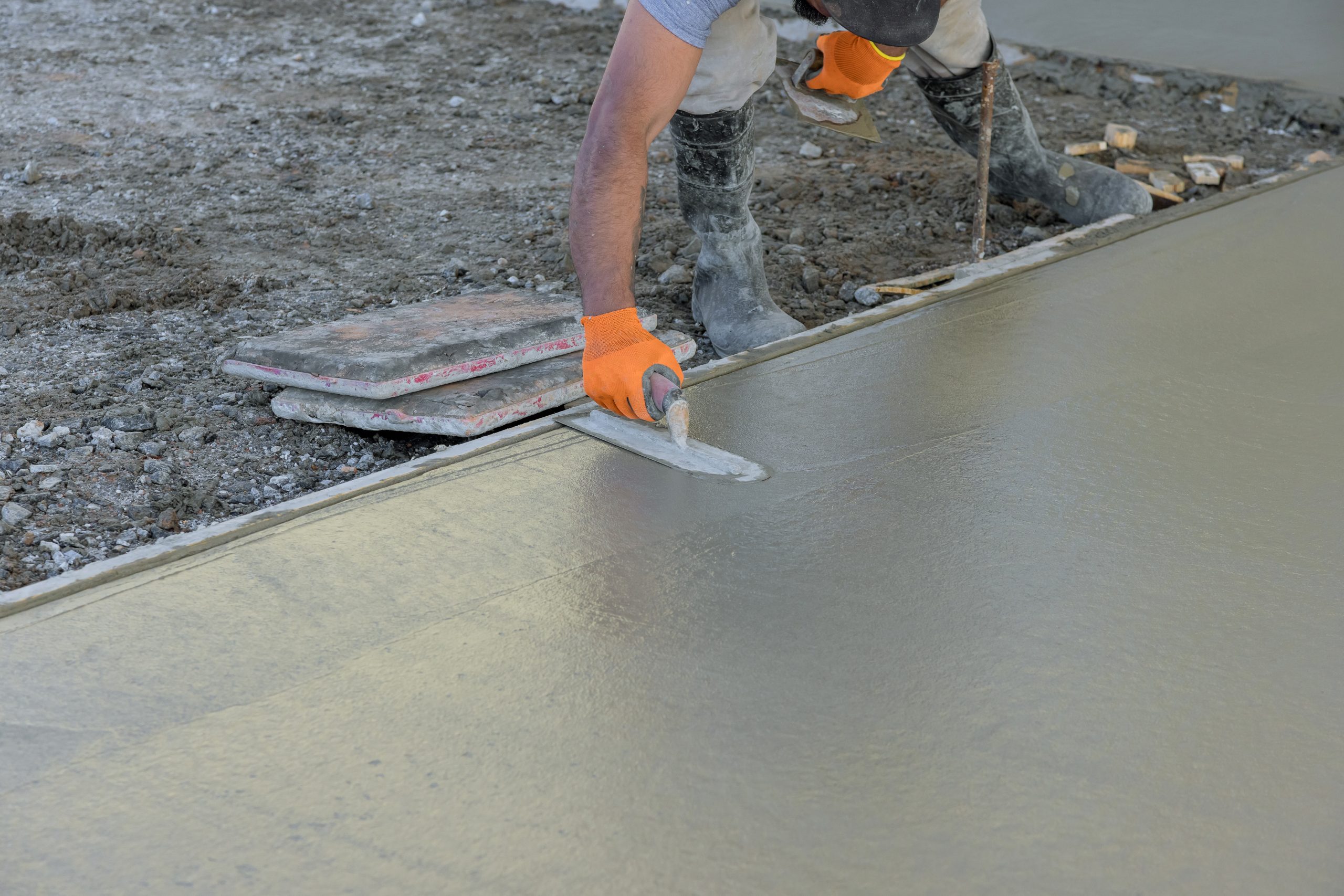
Beat Mud and Mess With a Smarter Border
If you are tired of puddles and soft shoulders chewing away at your driveway, you are not alone. Many homeowners in Waukesha County deal with shifting soils, freeze and thaw cycles, and heavy rains that wash out the thin strip along the pavement. Decorative stone driveway borders Big Bend residents choose do more than look great. They stabilize the edge, improve drainage, and cut down on maintenance. With the right materials and installation, you can protect your investment and upgrade curb appeal in one project.
Custom Concrete & Stone Design has spent more than 30 years helping Southeast Wisconsin homeowners solve muddy edge problems. Our crews understand local soils, snow removal habits, and the best base materials for long term performance. If you are considering a stone border, this guide breaks down styles, costs, and the process so you know exactly what to expect.
Why Driveway Edges Get Muddy in Big Bend
Big Bend sits in a climate where water and temperature swings put driveways under pressure. When spring arrives, saturated soils soften and cannot support the weight of vehicles. Edges without a solid base begin to crumble, allowing grass and soil to spill over onto the pavement. During heavy downpours, runoff from rooftops and slopes rushes across the border and lifts away weak material. Winter plows also scrape and push gravel where there is no strong edging. Over time, the shoulder turns into a rutted trough that traps water and mud.
Decorative stone borders address these issues by adding structure where it is needed most. They create a transition zone that accepts water, distributes weight, and prevents soil migration. With proper base preparation, the border becomes an anchor that keeps your driveway clean and strong.
What Are Decorative Stone Driveway Borders
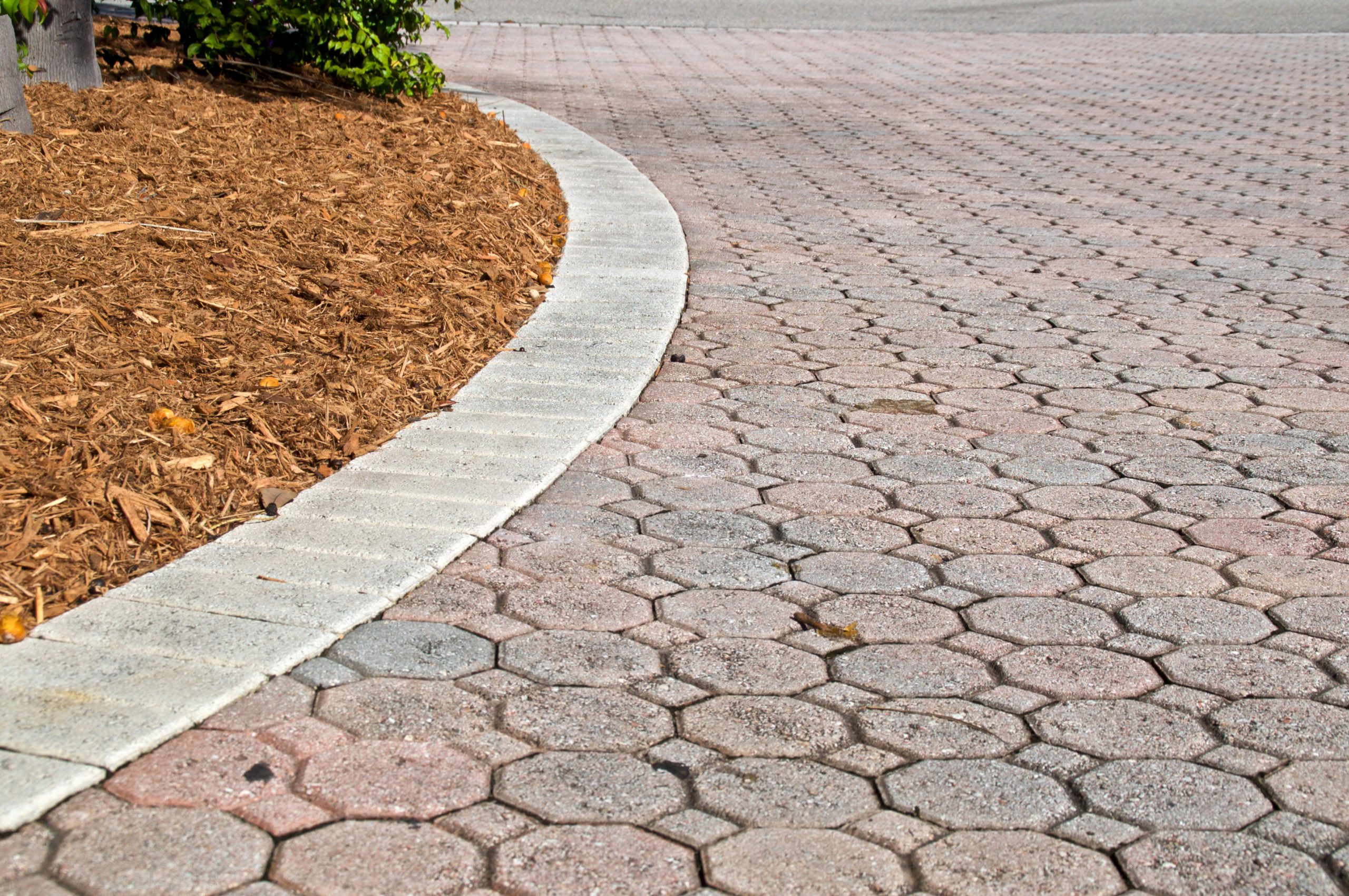
Decorative stone driveway borders are functional edging systems installed along one or both sides of a driveway. They can be made of crushed stone, cobblestones, natural limestone curbing, or river rock. The border typically ranges from 8 to 24 inches wide, depending on the design and the condition of the existing shoulders. The goal is to combine internal strength with an attractive finish that blends with your home and landscape.
In Big Bend, these borders usually sit on a compacted base of washed stone or traffic bond. Some designs include an aluminum or concrete restraint to keep the stones locked in. Others rely on the mass and interlock of the stone itself. Either way, the finished edge resists rutting, supports tire pressure, and drains quickly after rain.
Top Benefits of Stone Borders for Wisconsin Homes
- Stops mud and washouts by replacing soft soil with a compacted stone base
- Protects the edge of asphalt or concrete from cracking and unraveling
- Improves drainage so snowmelt and rain soak down rather than pool
- Makes snow removal easier and cleaner along the sides
- Defines the driveway and boosts curb appeal with natural textures
- Reduces lawn damage from turning tires and tight parking
- Prevents gravel or soil from migrating onto the pavement
- Flexible and repairable if utilities or landscaping change
- Complements stamped concrete aprons, patios, and walkways for a unified look
Decorative Stone Driveway Borders Big Bend Homeowners Love
Crushed Stone Bands
A simple, clean look that works well with most homes. We excavate a strip along the driveway, install geotextile fabric, and build a compacted base with graded stone. The surface layer can be a fine crushed granite, trap rock, or limestone chip. The result is a tidy drainage band that sits flush with the drive and lawn. It is budget friendly and very effective at stopping mud.
Cobblestone or Belgian Block Edging
Granite blocks set on a solid base create a classic, upscale feel. These stones interlock and hold tight, even through freeze and thaw cycles. You can set a single row for a crisp line or a double row for more presence. This option is ideal when you want a bold, permanent curb with high impact.
Natural Limestone or Granite Curbing
Long, sawn stone curbs offer a sleek, modern border that stands up to plows and foot traffic. The continuous curb keeps mulch and lawn clippings out of the drive while framing the pavement with a polished edge. It pairs beautifully with concrete or asphalt and looks sharp year round.
River Rock Accent Strips
Rounded river rock in a compacted strip can soften the look of a driveway and introduce color. The smooth stones allow water to pass while protecting the shoulder. This style fits well with cottage, rustic, or wooded settings and can be accented with boulders at the entry.
Boulder Outcroppings at the Apron
Strategic boulders near the driveway mouth protect corners, guide vehicles, and add a natural focal point. Paired with a crushed stone band, they help manage snow piles and reduce damage from wide turns.
Mixed Media With a Stamped Concrete Apron
For a custom design, consider a stamped concrete apron at the street and a stone border along the sides. This combination gives a grand entry, strong edges, and a cohesive style across your hardscape. Custom Concrete & Stone Design excels at blending these materials for a tailored finish.
Design and Sizing Tips
- Width matters. Plan for at least 12 inches where soils are soft. Go 18 to 24 inches if you often park on the edge.
- Build a strong base. Use 4 to 8 inches of compacted base stone for support. Add more in areas with poor drainage.
- Keep it flush. Set the final surface level with the driveway to avoid a lip that catches plow blades.
- Use geotextile fabric. A woven fabric separates soil from stone and limits settling and weeds.
- Mind the slope. Grade the border to shed water away from the pavement and foundation.
- Tie into downspouts. Consider piping downspouts under the border to a safe discharge point.
- Choose colors that match. Pick stone tones that complement your roof, siding, and landscape.
- Plan lighting. Low-profile lights along the border increase safety and highlight textures at night.
Cost Guide for Stone Driveway Borders in Big Bend
Every property is different, so think of these as ballpark ranges for installation by a qualified contractor. Soil conditions, access, thickness, and stone selection affect pricing. Decorative stone driveway borders Big Bend homeowners request often fall within these estimates for typical projects.
- Crushed stone band with fabric and compacted base: about 12 to 28 dollars per linear foot
- Cobblestone or Belgian block edging on stone base: about 35 to 75 dollars per linear foot
- Natural limestone or granite curbing: about 45 to 90 dollars per linear foot
- River rock accent strip on base: about 18 to 36 dollars per linear foot
Example: A 60-foot driveway with both sides edged equals about 120 linear feet. A crushed stone band might range from 1,440 to 3,360 dollars. Cobblestone or curbing would be higher. Adding drainage piping, lighting, or a stamped concrete apron will increase the total.
Maintenance costs are low. Plan for occasional raking, a top-off of chips every few years, and weed control if needed. Well built stone borders last many seasons without major work.
How Installation Works
1. Site Evaluation and Design
Custom Concrete & Stone Design starts with a visit to measure, check slopes, locate utilities, and discuss style goals. We recommend widths, materials, and drainage improvements that fit your home and budget.
2. Excavation and Base Preparation
We remove turf and soft soil to the design depth. A woven geotextile is placed to separate the soil from the stone base. We install graded base material and compact it in layers to reach the required thickness and density.
3. Edge Restraints and Stone Placement
Depending on the design, we set aluminum edging, install a concrete toe, or dry set stones in a locked pattern. For crushed stone bands, we top the compacted base with a decorative chip that matches your chosen color and texture.
4. Drainage Integration
When needed, we add perforated pipe, connect downspouts, or shape subtle swales to guide water away. Good drainage keeps the border firm and dry even after heavy rain.
5. Compaction, Jointing, and Clean Up
We compact final layers, sweep in joint stone for cobbles, and fine tune the transitions to lawn and pavement. The crew cleans the site and reviews care tips so you know how to keep the border looking fresh.
DIY or Hire a Pro
- When DIY can work: short runs on easy access sites, basic crushed stone bands, and light excavation on stable soils
- When to hire a pro: long driveways, areas with poor drainage, cobblestone or curbing work, or projects near utilities
- What you gain with a pro: correct base depth, compaction to spec, proper drainage, and a clean finish that lasts
Custom Concrete & Stone Design brings local experience, the right equipment, and skilled installers who build borders the right way. Many DIY attempts fail due to thin bases and poor compaction. Fixing those issues often costs more than doing it right the first time.
Why Choose Custom Concrete & Stone Design
With more than 30 years of experience across Milwaukee, Waukesha, Ozaukee, Washington, Racine, and Kenosha counties, Custom Concrete & Stone Design delivers lasting results. We use quality stone and base materials, follow proven compaction practices, and design borders that handle Wisconsin winters. Our team crafts unique solutions that fit your home, whether that is a simple crushed stone band or a custom mix with stamped concrete and natural curbing.
Beyond driveway borders, our services include stamped concrete patios, driveways, retaining walls, garages, basements, and foundations. Every project gets the same attention to detail and customer care. We believe in clear communication, clean job sites, and finishing on schedule. Your driveway should look great and work hard all year. We build it that way.
Frequently Asked Questions
Will snowplows move or damage the stone border
When borders are installed flush and compacted, plows glide over the surface without grabbing an edge. For cobbles and curbing, we set stones so they sit tight and resist lateral force. Tell your plow service to keep skids adjusted and avoid aggressive scraping along the shoulder.
How wide should the border be
We suggest at least 12 inches for basic stability and drainage. Go wider if you park on the edge or have soft soils. A 16 to 24 inch band is common for busy driveways and areas that receive downspout discharge.
Can you add a stone border to an existing driveway
Yes. We cut or saw clean edges when needed, then build the border alongside. This strengthens the pavement and gives your driveway a fresh, finished look.
Will weeds grow through the stone
We use geotextile fabric and compacted layers to limit weeds. Some seeds can germinate on top if debris builds up. A quick pull or spot treatment in spring keeps the border clean.
Do I need a permit
Most stone borders do not require a permit, but drainage tie-ins or apron changes might. We help you confirm local rules in Big Bend and coordinate any approvals if needed.
How long does installation take
Small projects finish in one to two days. Larger runs or cobblestone and curbing work can take three to five days. Weather and site access can affect timelines.
What about water that runs off the roof
We can integrate downspout piping beneath the border to carry water to a safe outlet. This reduces erosion and keeps the shoulder firm.
Maintenance Tips
- Brush or blow leaves and grass clippings off the border so seeds do not root
- Top off decorative chips every few years to refresh color and level
- Check low spots each spring and add stone as needed after freeze and thaw
- Keep edges flush with the driveway so plows and mowers glide smoothly
- Trim turf along the line to prevent overgrowth into the stone
- Inspect after heavy storms and clear any silt that washed in
Common Mistakes to Avoid
- Skipping geotextile fabric, which lets soil mix with stone and causes sinking
- Using thin base layers that cannot support weight
- Setting borders higher than the driveway, which invites plow damage
- Choosing rounded rock without a stable base, which can shift under tires
- Ignoring drainage from downspouts and slopes
How Stone Borders Compare to Other Options
Concrete Mow Strip
Concrete strips create a crisp line and excellent shoulder support. They are low maintenance. Stone borders drain better and offer a softer, natural look. Many homes benefit from a mix of both.
Steel or Aluminum Edging
Metal edging holds shape well for beds but provides little support for vehicle loads. A stone border on compacted base offers far more stability for driveways.
Plastic Edging
Economical but not long lasting in heavy freeze and thaw cycles. Plastic often heaves and separates. Stone on a proper base is the better value over time.
Paver Soldier Course
Pavers can make a nice border when set on a strong base with edge restraint. Cobblestones and natural curbing are more rugged for snowplows and Midwest winters.
Serving Big Bend and Southeast Wisconsin
Custom Concrete & Stone Design proudly serves Big Bend and surrounding communities across Waukesha County and Southeast Wisconsin. Our team is local, responsive, and familiar with the soil and weather patterns that affect driveway performance. We source quality stone from trusted regional suppliers and stand behind our work.
Get a Free Estimate
Ready to stop muddy driveway edges and add lasting curb appeal. Contact Custom Concrete & Stone Design to explore decorative stone driveway borders Big Bend homeowners rely on. We will review styles, discuss costs, and design a border that fits your home and budget. Schedule your free on site estimate today and see how a well built stone edge can protect your driveway and transform your front yard.