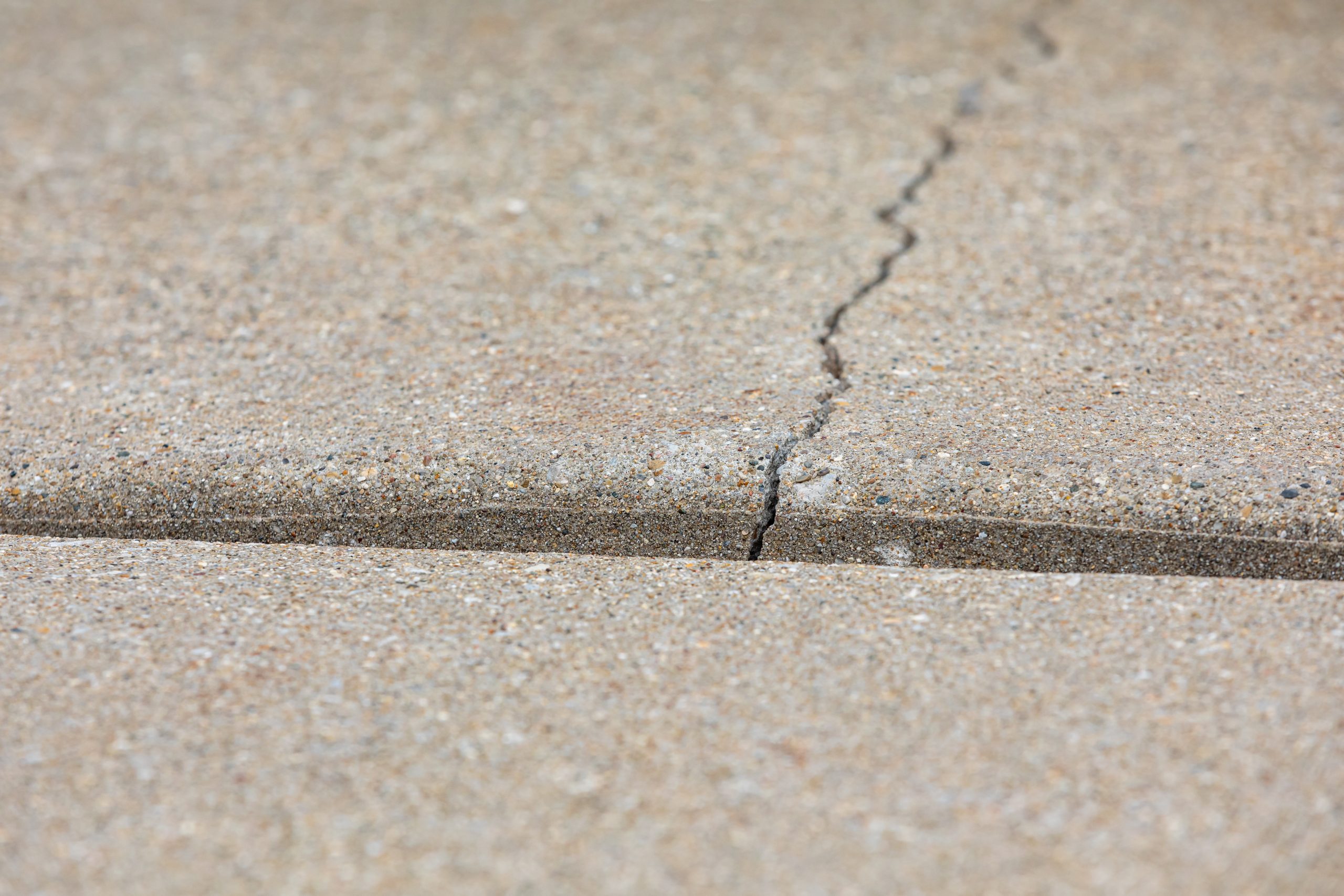
Understanding Why Concrete Driveway Cracks Happen
Concrete is strong, but it is not flexible. When the ground moves or the temperature swings, the slab tries to expand and contract. That movement creates stress. Over time, stress shows up as concrete driveway cracks. Some are normal and only affect the surface. Others point to problems below the slab that need attention.
In Southeast Wisconsin, we see cycles of freezing and thawing, heavy spring rains, and hot summers. Moisture soaks into concrete, then expands when it freezes. Water under the slab can soften the base and wash out support. Vehicles, especially heavy ones, add load at the same time. If the base did not get compacted well or drainage is poor, that stress gets worse. Even new concrete can show hairline cracks as it cures and shrinks. The key is knowing which cracks are normal and which ones are a red flag.
Which Cracks Are Harmless and Which Are Not
Hairline shrinkage cracks
Very thin lines that you can barely catch with a fingernail are common. These hairline cracks often form during curing, usually run short distances, and do not change much over time. On their own, they are mostly a cosmetic issue. Sealing the surface can help keep water and deicing chemicals out, which protects the slab.
Map or craze cracking
Craze cracks look like a network of tiny lines on the surface. They are shallow and mostly affect appearance. They often show up after finishing or when the surface dries too fast. These cracks usually do not affect the strength of the driveway. A quality sealer can reduce their visibility and protect the top layer from winter damage.
Control joint cracks
Your driveway should have cut lines called control joints. These are placed so that when the concrete shrinks, it cracks inside the joint instead of across the surface. Cracks that follow a joint are expected. This means the joint did its job. Keep these joints sealed so water does not get below the slab.
Edge and corner cracks
Cracks at the edges and corners need a closer look. They can form when the edge is not supported by soil or stone, or when heavy tires roll off the side. If a corner has dropped or shifted, it often means the base has settled. That type of concrete driveway crack can lead to more movement and should be inspected.
Wide, displaced, or growing cracks
Cracks wider than a quarter inch, cracks with one side higher than the other, and cracks that get longer or wider each season are a concern. Movement along a crack suggests base failure, frost heave, or drainage issues. These cracks can let more water in, which speeds up damage.
Diagonal cracks that cross the slab
Long diagonal cracks that cut across a slab can signal uneven settlement. If the crack is also displaced, it can become a trip hazard. These need a professional assessment and a plan to stop the movement before repair.
Scaling and spalling
Flaking of the top layer, pitting, or exposed aggregate is called scaling or spalling. This is common in cold climates and often comes from deicing chemicals, poor air entrainment, or water trapped in the surface. While not always structural, scaling reduces the life of the driveway and can lead to deeper cracking if ignored.
How to Assess Your Concrete Driveway Cracks at Home
You can learn a lot with a simple inspection. Look for patterns, measure width, and check if anything has shifted. Keep notes and photos so you can monitor changes over time. If you see rapid change or trip hazards, schedule a professional review.
- Clean the area with a broom or blower so you can see the crack edges.
- Take clear photos now and again in a few months to compare.
- Measure crack width with a coin. A quarter is about one inch across, a penny is about three quarters of an inch. If the gap is wider than a quarter inch, make a note.
- Check for height difference. If one side is higher than the other, mark it as a trip hazard.
- Look for moisture. Staining or weeds in a crack means water and dirt are getting in.
- Watch after a rainstorm. Pooled water near or under cracks points to drainage issues.
- Check the joints. Are they filled and sealed, or open and crumbling?
- Look at the driveway edges. Soft soil, erosion, or tires rolling off the sides can weaken support.
Milwaukee and Southeast Wisconsin Climate Considerations
Our region is tough on concrete. We get many freeze thaw cycles each year. Those repeats push and pull on the slab. Road salt and deicers speed up surface wear and can draw more moisture into the concrete. Spring thaw often leaves the ground saturated, and water under the slab is one of the fastest ways for concrete driveway cracks to grow. Snow plows and heavy snow blowers can chip edges and expose aggregates. The mix itself should be air entrained and built for local conditions, and the base needs proper drainage to move water away.
Custom Concrete & Stone Design plans every driveway for this climate. That means using the right air content in the mix, proper thickness for intended loads, well placed control joints, and high quality sealers. With smart design and care, a concrete driveway can handle Wisconsin weather for many years.
Repair Options: From DIY to Professional Solutions
For hairline and non moving cracks
Small cracks that do not change size can often be sealed to keep out water and chemicals. This is more about protection and appearance than structure, but it extends the life of the slab.
- Clean the crack with a brush and vacuum dust and debris.
- Dry the area completely. Moisture in the crack can block adhesion.
- Apply a high quality concrete crack sealer or a low viscosity crack filler designed for hairline cracks. Follow the label directions.
- Once cured, apply a penetrating sealer over the driveway to reduce water and salt uptake.
For moving or wider cracks
Wider or active cracks need more than surface sealing. A common method is to route the crack into a neat groove and then seal it with a flexible polyurea or polyurethane. This allows slight movement without tearing open. Epoxy injection can bond some cracks, but it is better for structural concrete and dry conditions. In driveways, flexible sealants are often the better choice because they handle seasonal movement.
Lifting and leveling sunken slabs
If a section has settled, lifting before sealing is wise. Mudjacking or polyurethane foam injection can raise a sunken slab by filling voids below it. Foam injection is lighter and usually cleaner, with quick cure times. Lifting restores proper pitch for drainage and can reduce stress on cracks. Custom Concrete & Stone Design can evaluate which method fits your slab and soil conditions.
Surface repair for scaling and spalling
If the surface is worn but the slab is stable, resurfacing can renew it. A cement based overlay or microtopping bonds to the existing concrete and creates a fresh wear layer. You can choose a broom finish for traction or a decorative finish to match your home. Sealing the new surface helps it stand up to winters. Proper prep is critical, including cleaning, profiling, and repairing cracks before the overlay.
When replacement is the smart choice
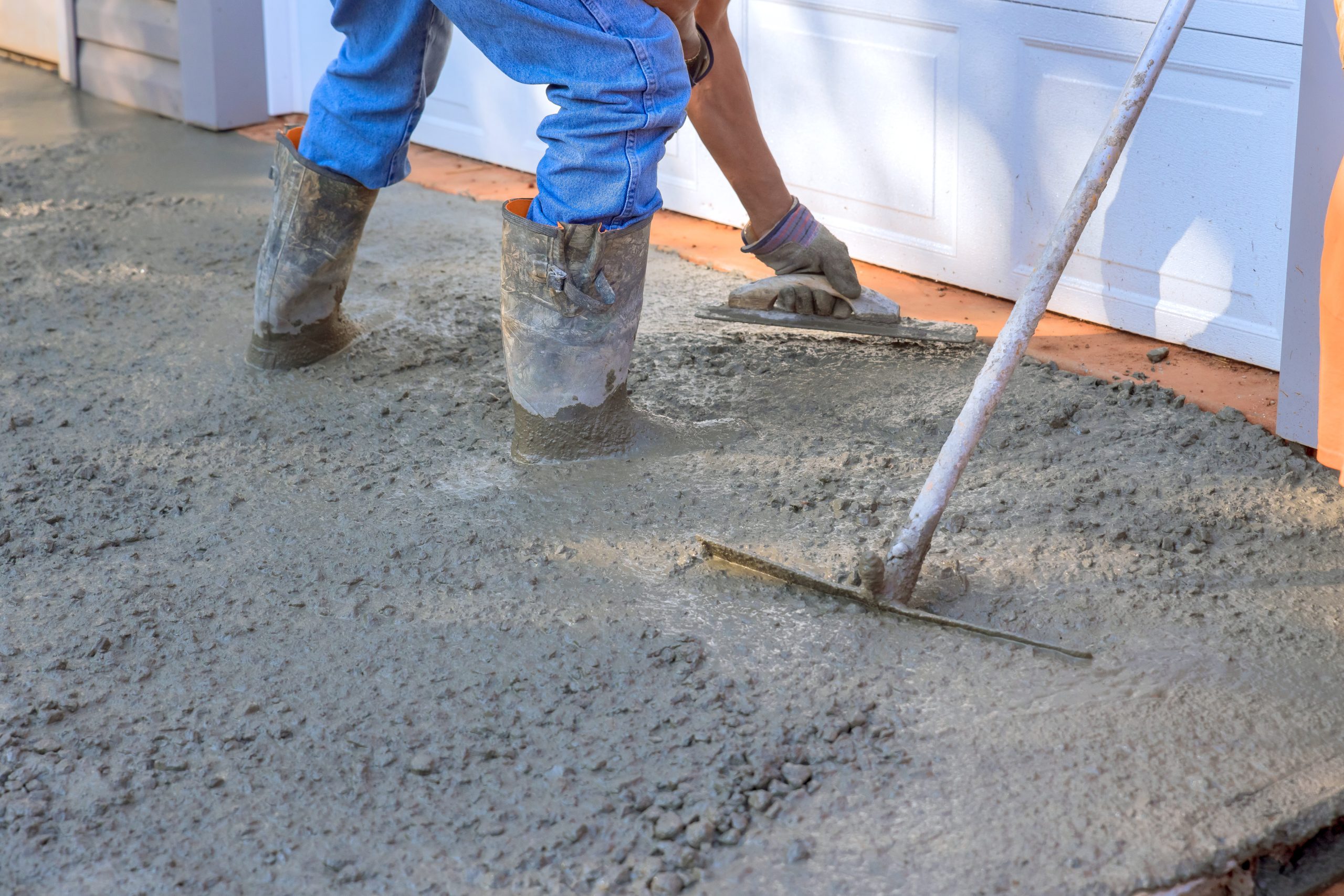
Sometimes crack repair is not enough. If you see multiple deep cracks, ongoing settlement, poor drainage, or a thin slab over a weak base, replacement may cost less in the long run. A new driveway lets you fix the base, set correct grades, add reinforcement, and install joints where they belong. Custom Concrete & Stone Design builds new driveways with compacted stone base, air entrained concrete mixed for local weather, proper depth based on vehicle loads, and joints positioned to control shrinkage. We can also add reinforcement like rebar or welded wire in the right place to resist movement.
Preventing Future Cracks
- Start with a stable base. A compacted crushed stone base, often four to six inches thick or more depending on soil and loads, supports the slab and allows drainage.
- Pour the right thickness. Most driveways need at least four inches, with five or more for heavy vehicles.
- Use an air entrained mix built for our climate. This protects the concrete during freeze thaw cycles.
- Place control joints at proper spacing, often two to three times the slab thickness in feet. For a five inch slab, that means joints around 10 to 15 feet apart. Keep panels as square as possible.
- Reinforce wisely. Rebar or welded wire set correctly within the slab helps hold cracks tight.
- Manage water. Slope the driveway away from the garage and house. Keep downspouts from discharging at the slab. Add drains if needed.
- Seal the surface every two to three years with a quality sealer suited for our climate, and reseal joints when they open.
- Avoid deicing salts on new concrete for the first winter. Use sand or calcium magnesium acetate if you need traction.
- Protect the edges. Avoid driving heavy tires off the sides. Backfill and compact along the edges to support the slab.
- Keep the driveway clean. Sweep off leaves and soil, and rinse off salt in late winter and early spring.
Concrete Driveway Maintenance Calendar
- Spring: Inspect for new cracks, measure and photograph, clean debris from joints, wash off winter residue, check drainage paths, schedule crack sealing or lifting if needed.
- Summer: Complete repairs and overlays in warm, dry conditions, apply penetrating sealer, reset edging and add gravel where the lawn meets the slab to support the sides.
- Fall: Reseal joints before freeze, confirm downspouts and drains move water away, mark edges for snow plows to prevent chipping.
- Winter: Use the right ice melt sparingly, shovel early to limit refreeze, avoid metal blades scraping the surface, and watch for heaved sections that could be a trip hazard.
FAQs About Concrete Driveway Cracks
Do all concrete driveways crack?
Almost every concrete driveway will show some cracking over time. Hairline or joint cracks are common and manageable. The goal is to control where cracks happen and protect the slab so cracks stay small and stable.
Can I stop a crack from spreading?
You can slow or stop growth by sealing the crack, improving drainage, and fixing any settlement. If a slab is moving because of a void or soft base, lifting and re supporting it is the best way to prevent new cracks and stop existing ones from worsening.
How long should a driveway last in Wisconsin?
With proper design, materials, sealer, and care, many driveways last 20 to 30 years or more. Poor base prep, missing joints, heavy loads, and harsh deicers can shorten that life. Regular maintenance helps you get the most out of your driveway.
Is salt bad for concrete?
Chloride based deicers can damage the surface, especially on young or unsealed concrete. They draw in more moisture and increase freeze thaw stress. If you need traction, use sand or a concrete safe product, and rinse surfaces in early spring to remove residue.
What will it cost to repair concrete driveway cracks?
Small crack sealing is affordable and fast. Lifting, overlays, or replacement cost more, but they solve deeper issues. A careful site visit is the best way to get accurate pricing because soil conditions, access, drainage, and the extent of damage all affect the scope. Custom Concrete & Stone Design provides clear options so you can choose what fits your driveway and budget.
Why Homeowners Choose Custom Concrete & Stone Design
Custom Concrete & Stone Design is a Milwaukee based concrete contractor with more than 30 years of experience. Our crews install and repair concrete for homes and businesses across Southeast Wisconsin, including Milwaukee, Waukesha, Ozaukee, Washington, Racine, and Kenosha counties. From stamped concrete patios to driveways, garages, basements, foundations, and retaining walls, we bring skilled craftsmanship and reliable materials to every job.
We know how local weather affects concrete driveway cracks, and we design with that in mind. We build solid bases, place joints where they need to be, choose mixes right for freeze thaw cycles, and seal surfaces for long term protection. If your driveway needs a touch up, leveling, a new surface, or full replacement, Custom Concrete & Stone Design can recommend the best approach. Our team listens to your goals and delivers a plan that balances performance, curb appeal, and cost.
Ready to Evaluate Your Driveway?
Do not let small concrete driveway cracks turn into costly problems. If you are unsure what your cracks mean, start with a simple home check using the steps above. Then talk with a professional who understands our climate and soils. Custom Concrete & Stone Design is ready to help with honest advice, detailed assessments, and proven repair options. We serve homeowners throughout Southeast Wisconsin and stand behind our work. Reach out to schedule an on site review and learn the best path to protect and improve your driveway.
Whether you need quick crack sealing, slab lifting, a fresh overlay, or a brand new driveway with a custom look, you can count on Custom Concrete & Stone Design. We bring the right tools, the right materials, and the right team to every project so your concrete stands strong through every season.