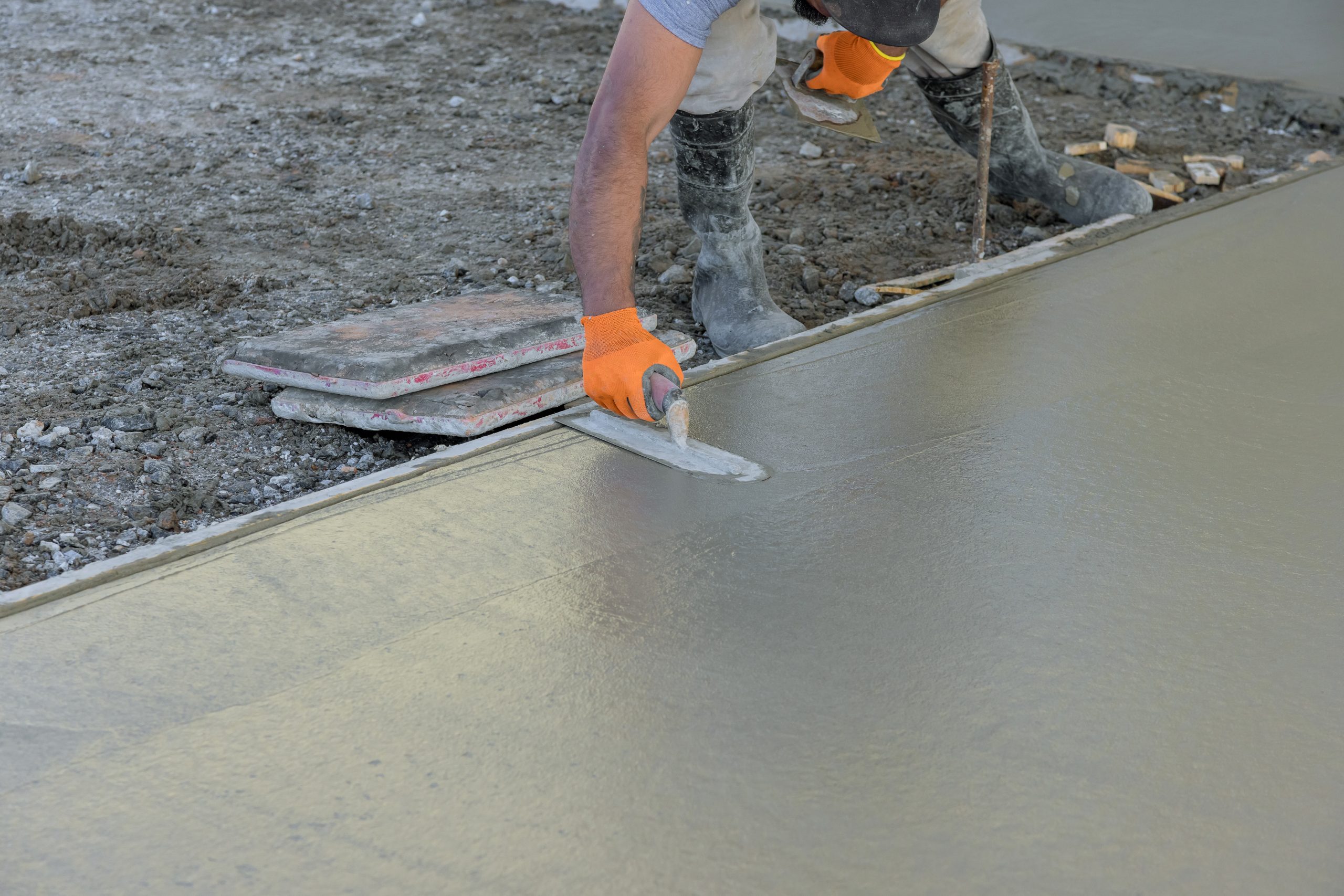
Uneven concrete around your home is more than an eyesore. It can cause trips and falls, drive water toward your foundation, and chip away at curb appeal. If you are seeing tilted steps, a sunken driveway, or heaving sections of sidewalk, you are not alone. Southeast Wisconsin’s climate and soil conditions make this a common problem. In this guide, you will learn why concrete becomes uneven, which repair methods work, and how Custom Concrete & Stone Design can help you restore safety and value with a free, no-pressure estimate.
What Uneven Concrete Means and Why It Matters
Uneven concrete describes slabs that have settled, lifted, tilted, or cracked so that the surface no longer sits flat. You might see one corner drop, a joint where two pieces no longer line up, or a long crack that has shifted up or down.
- Safety risk: Raised edges create tripping hazards for family, guests, and delivery drivers.
- Drainage problems: Low spots collect water that can seep toward your foundation or freeze and cause more damage.
- Premature wear: Snow removal is harder, and plows or shovels can catch on edges and chip the surface.
- Lower curb appeal: Wavy patios and sidewalks make a home look older and poorly maintained.
- Possible code or HOA concerns: Many communities require safe walking surfaces and uniform sidewalks.
Fixing uneven concrete early protects your home and often costs less than waiting. Small misalignments and minor settlement are simpler to correct than deep voids or large heaves.
Common Causes of Uneven Concrete in Southeast Wisconsin
Soil Settlement and Poor Compaction
Most slabs sit on compacted soil and a base layer. If the fill under your driveway or walkway was not compacted well during construction, it can compress over time. The slab then settles and becomes uneven. This is common near new additions, utility trenches, or backfilled areas along foundations.
Freeze-Thaw Cycles and Frost Heave
Our winters are tough on concrete. Water in the soil freezes and expands, which can push parts of a slab upward. When the ground thaws, the slab may not return to its original position. Repeated freeze-thaw cycles magnify the problem and can break down the concrete surface.
Poor Drainage and Gutter Discharge
Downspouts that dump water beside a slab wash out the base layer and form voids. Sprinklers that overspray concrete cause similar issues. Constant moisture erodes support, so the slab settles or breaks along weakened spots.
Insufficient Base or Improper Thickness
Concrete needs a well-prepared base and the right thickness for the load it will carry. If a patio or driveway was poured too thin, or the base had soft spots, the slab can crack and tip under normal use.
Tree Roots and Organic Decay
Roots can lift concrete from below, especially along sidewalks and driveways. On the other hand, buried organic material such as stumps or construction debris will decay and leave a void that causes settlement.
Heavy Loads and Traffic
Parking heavy vehicles or placing large dumpsters on a slab concentrates weight in small areas. Over time, this can lead to cracks and uneven sections, especially near joints.
Leaking Utilities and Soil Erosion
Broken irrigation lines, water service leaks, or drainage pipes that seep can wash away soil beneath slabs. Erosion leads to pockets of air under the concrete and sudden drops.
Deicing Salts and Surface Damage
Harsh salts can degrade the surface of concrete and allow more water and air to penetrate. That accelerates freeze-thaw damage and makes slabs more likely to spall, chip, and shift.
How to Tell if Your Concrete Is Settling or Lifting
Look for these signs of uneven concrete around your home:
- Trip lips where one slab sits higher than the next
- Pooled water after rain or snowmelt that never drains away
- Gaps under steps or at the base of garage slabs
- Cracks that have shifted up or down
- Doors that rub or garage doors that no longer close smoothly over the floor
- Exposed edges where soil has washed out from under the slab
If you notice one or more of these, it is a good time to have a professional assessment. Custom Concrete & Stone Design can evaluate the cause and show you clear options.
Proven Fixes for Uneven Concrete
Concrete Leveling With Polyurethane Foam
Foam leveling, also called polyjacking, is a modern method that lifts slabs by injecting a lightweight expanding foam beneath the concrete. The foam fills voids, compresses soft spots, and gently raises the slab back into place.
- Benefits: Small injection holes, precise lift control, quick cure time, minimal disruption
- Ideal for: Driveways, garage floors, sidewalks, steps, patios, pool decks
- Timeline: Often completed in hours and ready for light use the same day
Mudjacking or Slabjacking
Mudjacking uses a sand and cement slurry injected under the slab to raise it. It has been used for decades and can be effective when access is limited or where foam is not preferred.
- Benefits: Proven method, cost-effective in certain cases
- Considerations: Larger injection holes, heavier material that may settle again if soils are weak
- Ideal for: Larger slabs with good access where weight is not a concern
Slab Replacement
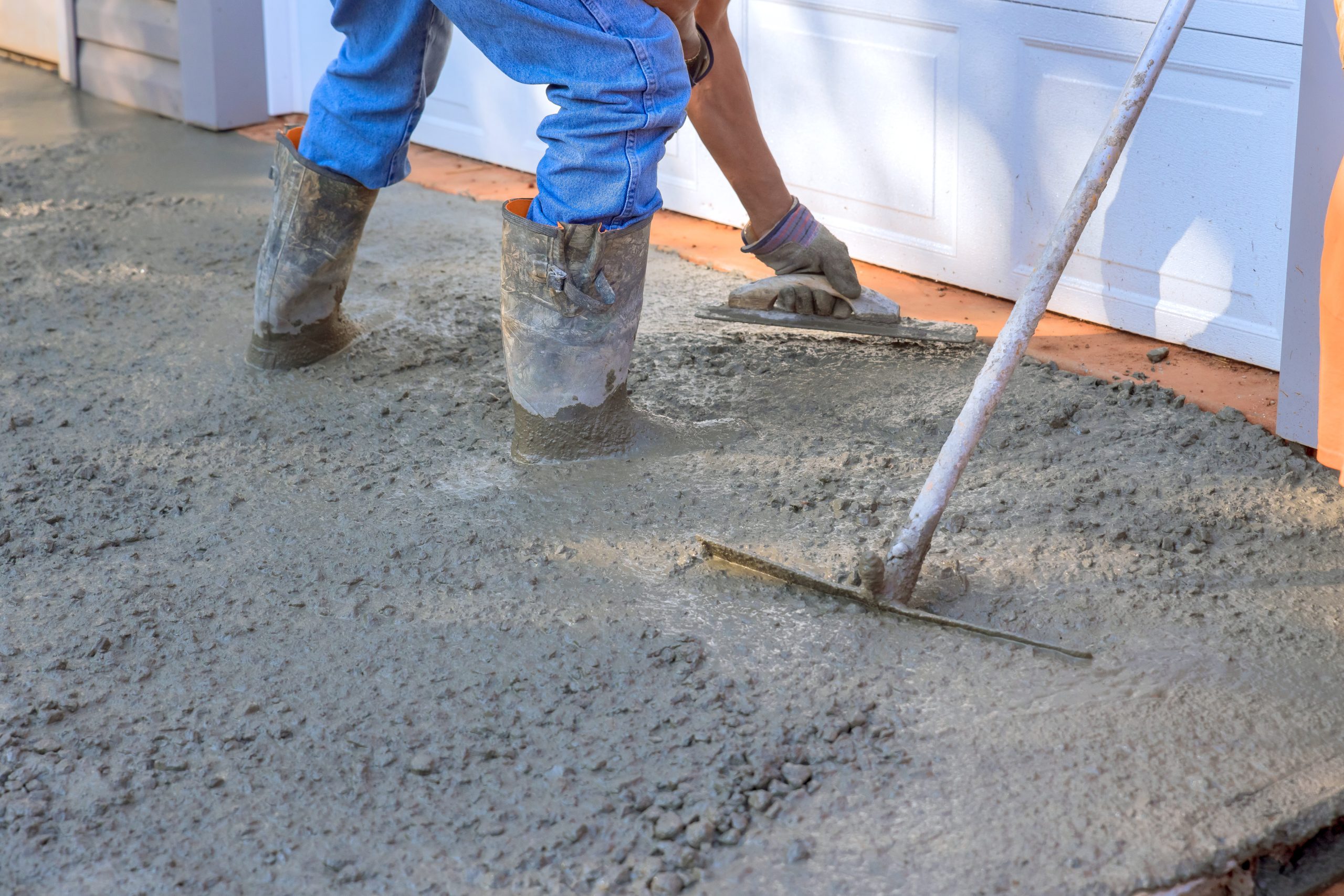
If the concrete is badly cracked, crumbling, or has severe structural issues, replacement may be the best choice. This involves removing the old slab, installing a proper base, and pouring new concrete.
- Benefits: Fresh, long-lasting surface, opportunity to improve drainage and thickness
- Considerations: Higher cost, longer timeline than leveling
- Ideal for: Severely damaged slabs, poor base conditions, or when a new design is desired
Grinding and Resurfacing
If one slab edge is only slightly higher than another, grinding the high edge can reduce trip hazards. Resurfacing can refresh worn surfaces and improve traction.
- Benefits: Quick and simple, cost-effective for small lips
- Considerations: Does not fix underlying settlement, limited to small height differences
- Ideal for: Minor trip lips and cosmetic surface improvements
Drainage Corrections
Managing water is key to preventing future settlement. Corrections can include extending downspouts, installing drains, or regrading soil to move water away from slabs.
- Benefits: Stops washout and void formation
- Ideal for: Areas with standing water, gutter discharge near slabs, or sloped lawns
Joint Sealing and Crack Repair
Sealing joints and cracks keeps water out of the base layer. Flexible sealants move with the concrete during seasonal changes.
- Benefits: Protects against water infiltration, reduces freeze-thaw damage
- Ideal for: Driveways, sidewalks, and patios after leveling or replacement
Soil Stabilization and Base Improvement
In problem areas with soft soils, stabilizers or base reconstruction can improve long-term performance. This pairs well with replacement or significant leveling projects.
- Benefits: Stronger support under the slab, less future settlement
- Ideal for: Low-lying areas, former wetlands, or backfilled zones near foundations
Which Method Is Best for Your Slab
There is no single fix for every situation. A skilled contractor will review the slab’s condition, what caused the uneven concrete, and your budget and timeline. Consider these factors:
- How severe is the settlement or heave
- Condition of the concrete surface and joints
- Water and drainage patterns nearby
- Soil type and history of the area
- Access and impact on landscaping
- Desired look and future plans for the space
Custom Concrete & Stone Design will walk you through options and share what we see on site. We explain the pros and cons so you can choose with confidence.
Cost, Timing, and What to Expect
Leveling is often more affordable than replacement, especially for driveways, sidewalks, and garage slabs with moderate settlement. Polyurethane foam leveling is quick and cures fast, which means you can usually use your slab the same day. Mudjacking can also be a good value, though holes are larger and the material is heavier. Full replacement costs more and takes longer because of demolition, base prep, forming, and curing. Most new concrete needs several days before light use and longer before heavy loads. During your estimate, Custom Concrete & Stone Design will provide a clear scope, timeline, and a written proposal. We keep the process simple, protect nearby landscaping whenever possible, and leave the site clean.
DIY vs Professional Repair
Small surface lips can sometimes be ground down, and sealing cracks is a DIY option for handy homeowners. But most uneven concrete problems involve hidden voids, soil issues, or drainage concerns. Without the right equipment and materials, it is easy to mask the symptom while the real problem remains. Professional leveling or replacement restores support under the slab and helps stop repeat settling. It can also protect warranty coverage and home value.
Our Repair Process at Custom Concrete & Stone Design
- Site visit and inspection: We listen to your concerns and examine the concrete, base conditions, and drainage.
- Measurements and evaluation: We record height differences, cracks, and water flow paths.
- Solution plan: We recommend leveling, replacement, or a combination with drainage and joint sealing as needed.
- Preparation: We set up safe access, mark utilities, and protect surrounding areas.
- Leveling or replacement: We perform foam injection, mudjacking, or demolition and repour depending on the plan.
- Joint sealing and finishing: We seal joints and cracks to keep water out and improve durability.
- Cleanup: We remove debris and return the site to tidy condition.
- Walkthrough and guidance: We review results, share maintenance tips, and answer questions.
Custom Concrete & Stone Design is Milwaukee-based and has more than 30 years of experience across Southeast Wisconsin. Our team serves Milwaukee, Waukesha, Ozaukee, Washington, Racine, and Kenosha Counties. We use top-quality materials and proven techniques to deliver consistent, lasting results.
Why Homeowners Choose Custom Concrete & Stone Design
- Local expertise: We understand the soil, weather, and construction practices in our region.
- Craftsmanship: Skilled crews trained in leveling, replacement, and finishing.
- Custom solutions: We tailor every repair to your property and budget.
- Quality materials: From high-performance foams and sealants to durable concrete mixes.
- Clear communication: Straightforward proposals, timelines, and updates.
- Respect for your property: Neat work areas and thorough cleanup.
- Full-service capability: Leveling, resurfacing, drainage fixes, and new concrete design if needed.
Frequently Asked Questions About Uneven Concrete
Will uneven concrete get worse if I wait
Usually yes. Water finds low spots and seeps under slabs, which creates more voids and further settlement. Freeze-thaw cycles also widen cracks and lift edges. Early repair often costs less and prevents bigger issues, including damage to nearby structures.
What time of year is best for repair
Leveling and replacement can be done most months of the year. Spring through fall offers the most flexibility. Foam leveling cures quickly even in cooler weather. Replacement requires temperatures that support proper curing, which we plan around for quality results.
Will leveling damage my yard or landscaping
Most projects require only small injection holes and minimal equipment. We take care to protect grass and beds. If access is tight or plants are very close, we will discuss options to limit disturbance.
How long does foam leveling last
Polyurethane foam is stable, lightweight, and water-resistant. When paired with proper joint sealing and drainage improvements, it provides long-lasting support. Many projects remain stable for years because the foam fills voids and reduces water paths.
Can you fix uneven concrete in winter
Yes, many leveling jobs can be completed in cold weather. Replacement requires specific conditions for curing, but scheduling and preparation can make winter work possible in certain cases. We will assess site conditions and advise on timing.
Will my slab look new after leveling
Leveling restores the position of the slab but does not change its color or finish. We can pair leveling with crack repair and sealing for a cleaner look. If a fresh surface is your goal, resurfacing or replacement may be recommended.
Will leveling affect my garage door or steps
Leveling often improves function. A properly raised garage floor can help doors seal better and improve drainage. Steps that have shifted can often be returned to a safer, even rise.
What about the holes from leveling
Injection holes are small and are patched after lifting. On most surfaces, patches blend in over time and are barely noticeable.
Preventing Future Settlement and Keeping Slabs Level
- Direct water away: Extend downspouts at least several feet from slabs and keep gutters clear.
- Improve drainage: Add drains or regrade soil so water flows away from concrete.
- Seal joints and cracks: Keep out water that can wash away the base or freeze and expand.
- Control irrigation: Avoid overspray on concrete and adjust timers seasonally.
- Plant wisely: Keep large trees a safe distance from slabs and use root barriers if needed.
- Use gentler deicers: Choose products labeled safe for concrete and avoid overuse of harsh salts.
- Maintain base support: Do not store heavy dumpsters or materials on thin slabs.
- Schedule checkups: Have a pro inspect recurring problem areas after major weather events.
Custom Concrete & Stone Design offers maintenance guidance after every project. We want your repair to last, and small steps like sealing and drainage tune-ups go a long way in protecting your investment.
Uneven Concrete Repairs We Offer Across Southeast Wisconsin
We repair uneven concrete on driveways, walkways, stairs, garage floors, patios, and pool decks. Our team completes projects for single-family homes, townhomes, and commercial properties. Whether you need a targeted lift along a sidewalk or a full driveway replacement with a new base, we have the tools and experience to do it right.
- Polyurethane foam leveling for precise lifts and fast use
- Mudjacking for select applications
- Crack repair and joint sealing
- Resurfacing and finishing for worn surfaces
- Drainage corrections that protect your slabs and foundation
- Full demolition and replacement when needed
As a Milwaukee-based company, Custom Concrete & Stone Design proudly serves Milwaukee, Waukesha, Ozaukee, Washington, Racine, and Kenosha Counties. Our reputation is built on quality workmanship, reliable scheduling, and clear communication.
Ready to Fix Uneven Concrete? Schedule a Free Estimate
If you are dealing with uneven concrete, the best first step is a professional assessment. We will explain what is causing the issue, outline the best repair options, and provide a straightforward estimate. There is no pressure and no guesswork. From small sidewalk lifts to full driveway rebuilds, Custom Concrete & Stone Design delivers solutions that restore safety and curb appeal. Contact us today to schedule your free estimate anywhere in Southeast Wisconsin and take the first step toward a safer, better-looking property.