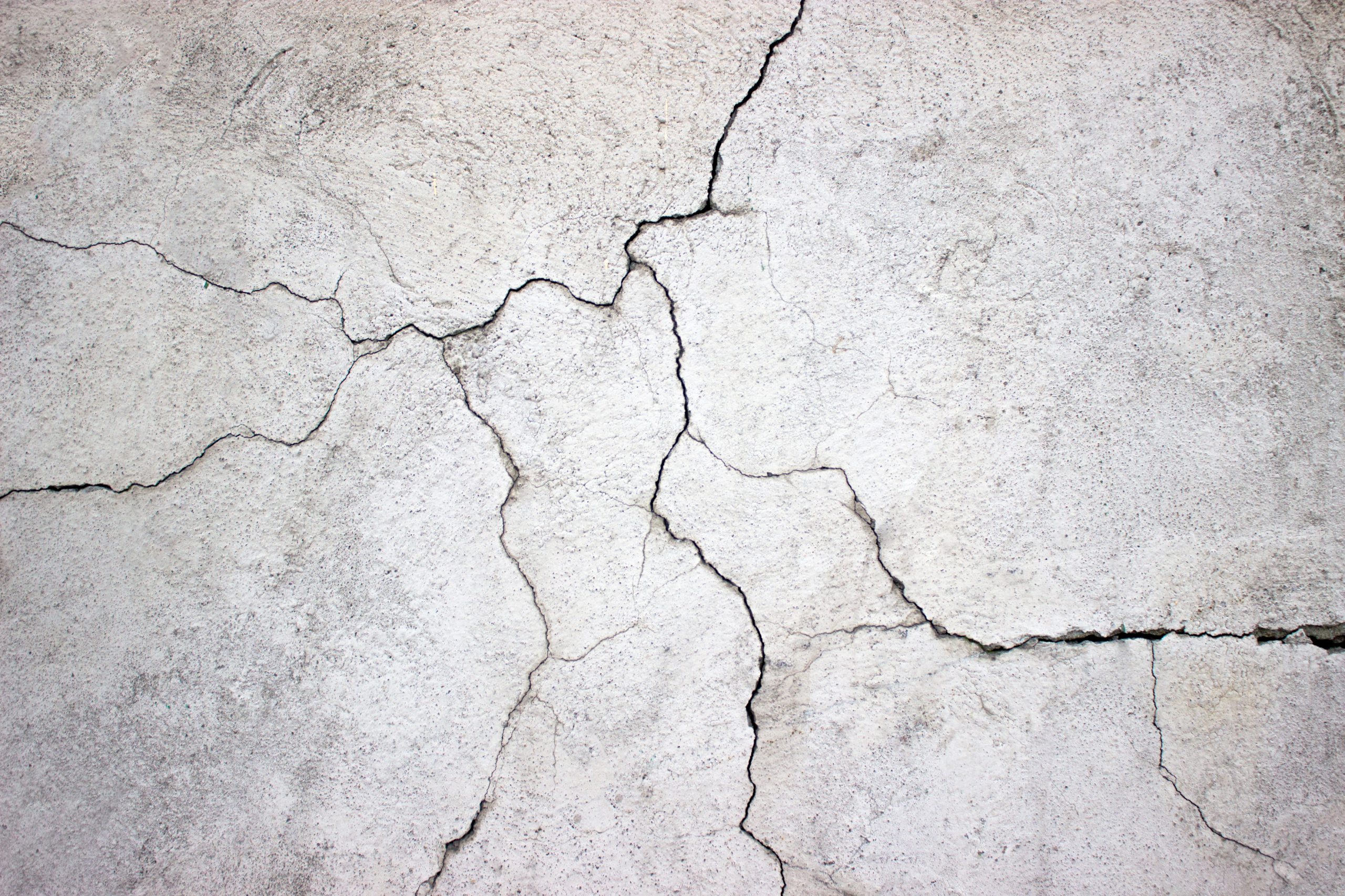
Garage floor resurfacing helps stop cracks from spreading and reduce hazards. If you have a long crack running through the middle of your garage, you may be wondering how serious it is and what to do next. In this guide, the experts at Custom Concrete & Stone Design explain what that crack means, when it becomes dangerous, and the best ways to repair and resurface your garage floor for a safer, better looking space.
What a Long Crack in the Garage Floor Really Means
Not all concrete cracks are equal. Some are mostly cosmetic, while others point to movement under the slab that needs attention. A long crack down the middle of a garage floor can be caused by several factors. Understanding the cause helps you choose the right fix.
Common Causes of a Mid-Floor Crack
- Normal concrete shrinkage as the slab cures
- Reflective cracking along an old control joint or saw cut
- Settlement from poorly compacted base material
- Frost heave or seasonal soil movement
- Water washing out base gravel near the garage door or driveway tie-in
- Heavy point loads from vehicles, lifts, tool chests, or freezers
- Lack of reinforcement or isolation joints
- Long-term deicing salt and moisture exposure that weakens the surface
Types of Cracks and What They Signal
Hairline shrinkage cracks often look thin and jagged. They usually do not signal major structural issues, but they can capture dirt and water and expand over time. Wider cracks, especially those that show a height difference on either side, suggest movement of the slab or the subbase. A straight crack that aligns with an old joint may be a control joint doing its job. A random crack that opens and closes seasonally may point to moisture and temperature movement in the soil. If you see rust stains, crumbling edges, or flaking concrete, the surface is likely breaking down from salts and repeated freeze-thaw cycles. That kind of deterioration spreads faster if left unsealed.
When a Mid-Floor Crack Becomes Dangerous
The word dangerous can mean a trip hazard, damage to your vehicles, or signs of bigger structural problems. While most garage slabs are not part of the structural foundation, they still support heavy loads and are a primary path into your home. It pays to address cracks before they get worse.
Red Flags That Need Prompt Attention
- A height difference greater than 1/8 inch on either side of the crack
- Crack width that is growing or exceeds 1/4 inch
- Moisture seeping up through the crack or pooling after rain
- Chunks spalling off the edges of the crack or surface flaking
- Doors or overhead door tracks binding due to slab movement
- Voids or hollow sounds when you tap the floor near the crack
- Rodents or insects entering through gaps at the slab perimeter
- Persistent white residue or salt pop-outs on the floor
Risks to People, Vehicles, and Property
- Trips and falls for family members or guests
- Casters on toolboxes or lifts catching and tipping
- Tire wear or puncture risks if edges are sharp
- Water intrusion that can migrate to walls and lead to mold
- Deicing salts and water funneling into the crack, accelerating damage
- Reduced home value and poor first impression for buyers
Any one of these issues is reason to take the next step. The good news is that most long cracks in garage floors can be repaired with the right approach, then protected with garage floor resurfacing that looks great and stands up to Midwest winters.
Why Garage Floor Resurfacing Is Often the Right Fix
Garage floor resurfacing is the process of repairing cracks and defects, preparing the concrete, and applying a new overlay or coating system. Done right, it makes the floor safer, stops further chipping, and gives you a clean, durable finish that is easy to maintain.
Resurfacing vs. Replacement
Full slab replacement is expensive and disruptive. In many cases, the slab is still structurally sound but has cracks, pits, and worn areas. Resurfacing restores the surface and addresses cracks without tearing out the slab. Where the subbase has settled, we can stabilize or lift the slab then resurface. Replacement is best if the slab has severe heaving, widespread structural cracking, or drainage that cannot be corrected any other way. A professional evaluation helps you choose the best path.
When Resurfacing Makes Sense
- Cracks are present but the slab is not severely fractured into multiple planes
- Heights across the crack can be ground and leveled
- Moisture can be managed with primers or mitigation systems
- You want a cleaner, brighter, sealed surface that resists salt and stains
- You plan to keep the home and want strong return on investment
Benefits You Will Notice
- Trip hazards reduced by proper crack repair and leveling
- Cleaner look that refreshes the entire garage
- Better light reflection and easier sweeping and mopping
- Protection against oil, salt, and freeze-thaw damage
- Improved resale appeal and value
Professional Repair and Resurfacing Options We Use in Milwaukee
Custom Concrete & Stone Design brings over 30 years of experience to every garage. Our team serves Milwaukee, Waukesha, Ozaukee, Washington, Racine, and Kenosha counties with high-quality materials and craftsmanship. Every job starts with a clear plan tailored to your specific floor and the Wisconsin climate.
How We Assess and Prepare
- Site evaluation that checks crack width, slab movement, moisture, and drainage
- Moisture testing as needed to guide coating and primer selection
- Mechanical diamond grinding to open the surface for strong bonding
- Dust control with HEPA filtration to protect your home and belongings
- Crack routing and cleaning for secure repair installation
Crack Repair Methods We Trust
- Routing and sealing with flexible polyurea or polyurethane for moving cracks
- Epoxy injection for tight, dormant cracks where structural rebonding is possible
- Crack stitching with carbon fiber staples or fiberglass mesh to stabilize edges
- Joint restoration with new control cuts and proper joint fillers
- Surface patching for pits and pop-outs with polymer-modified mortars
Garage Floor Resurfacing Systems
- Polymer-modified overlays that restore profile and provide a new wear layer
- Self-leveling underlayments to correct dips and create drainage-friendly slopes
- Epoxy or polyaspartic coatings with decorative flakes for a bright, durable finish
- Quartz broadcast systems that add traction for wet or winter conditions
- Microtoppings for a uniform, modern look with light texture
Moisture and Salt Defense for Wisconsin Garages
- Moisture vapor barrier primers for high-moisture slabs
- Penetrating sealers that reduce salt and water absorption
- Densifiers on bare concrete to harden the surface before sealing
- Flexible joint fillers that protect from snow melt and ice expansion
The right combination depends on your slab condition, how you use the garage, and your style preferences. Our team at Custom Concrete & Stone Design explains the options, shares samples, and recommends a system built for longevity.
DIY Inspection Checklist Before You Call
You can gather helpful information before scheduling a professional evaluation. Here is a simple checklist.
- Measure crack width at several points. Note the widest point.
- Check for a height difference using a straight edge and coin. Over 1/8 inch is a trip hazard.
- Tape a 12 inch square of plastic over the crack overnight. If moisture appears under the plastic, note it.
- Tap around the crack with a coin. Hollow sounds may indicate delamination.
- Look for signs of water pathways from the driveway or a downspout toward the garage.
- Photograph the crack over a few weeks. If it changes, note the date and width.
- List heavy loads in the garage, like lifts, safes, or large freezers.
This information helps us diagnose and design a repair that lasts. If you see rapid widening, major height differences, or water intrusion, schedule an inspection soon.
Costs, Timelines, and What to Expect
Every garage is unique, so we provide a detailed written proposal after inspection. As a general guide, simple crack repairs with a protective sealer are often completed in a day. Garage floor resurfacing with an epoxy, polyaspartic, or overlay system for a two-car garage typically takes two to three days, depending on moisture conditions and cure times. You can usually walk on the surface within 24 hours of the final coat and park vehicles after 48 to 72 hours, depending on the product and temperature. Costs vary with crack severity, prep needs, and the coating or overlay you select. Many homeowners in Southeast Wisconsin find resurfacing to be a strong value compared to full slab replacement. It is faster, cleaner, and gives you a like-new surface with proven protection against salt and stains. We are transparent about pricing and timelines, and we help you compare options based on durability, maintenance, and appearance.
FAQs About Long Garage Floor Cracks
Is my home unsafe if there is a long crack in the garage floor?
In most cases, a garage slab crack is not a sign of a failing foundation wall. Garage slabs are separate from the main foundation. The crack still matters because it can create hazards and get worse. A professional evaluation confirms what is going on and the right next steps.
Will the crack come back through the new surface?
Cracks can reflect through if movement continues. That is why proper repair, crack stitching, and flexible joint fillers are important. During garage floor resurfacing, we place control joints where the slab naturally wants to move and use systems designed to accommodate seasonal changes. This minimizes future telegraphing.
Can I just fill it with store-bought caulk?
Hardware-store caulk may peel, attract dirt, or fail under vehicle loads. Professional routing, cleaning, and material selection gives you a longer-lasting fix. We match the repair method to the type of crack and expected movement.
How long does resurfacing last?
With proper prep and materials, a resurfaced garage floor can last many years. In Wisconsin, we plan for salt, snow, and temperature swings. Our systems are chosen for abrasion resistance, chemical resistance, and UV stability. Regular cleaning and quick cleanup of spills extends life.
What if my garage has old oil stains?
Oil and grease need to be removed for a strong bond. We use degreasers, hot water cleaning, and mechanical grinding to prepare the surface. Oil-pulling primers can assist where deep staining is present. Proper prep is the key to a lasting resurfacing job.
Do you work in cold weather?
Yes, with the right products and site conditions. Many coatings and mortars have low-temperature options. We also manage heating and airflow so the floor cures correctly. We schedule around weather to ensure a quality result.
Why Homeowners Choose Custom Concrete & Stone Design
- Local expertise with 30 plus years serving Milwaukee and Southeast Wisconsin
- Skilled craftsmen who follow proven surface prep and repair standards
- Top-quality materials designed for Midwest winters and salt exposure
- Dust-controlled grinding and careful protection of your belongings
- Clear communication, written proposals, and dependable timelines
- Options that fit your budget and goals, from overlays to epoxy and polyaspartic systems
- Service across Milwaukee, Waukesha, Ozaukee, Washington, Racine, and Kenosha counties
Custom Concrete & Stone Design is known for durable work and custom finishes. Whether you need simple crack repair, a full garage floor resurfacing, or a decorative system with flakes or quartz, we tailor the solution to your space and how you use it.
The Process: From Crack to Clean, Strong Floor
Here is how a typical project flows when you work with our team.
- On-site assessment and written estimate with repair and resurfacing options
- Scheduling at your convenience, with planning for weather and drying times
- Mechanical prep, crack repair, and joint work for a solid foundation
- Application of primers, overlays, and coatings tailored to moisture levels
- Final topcoat and traction adjustment based on your preference
- Walkthrough, maintenance tips, and documentation of products used
We stand behind our work and remain available if you have questions later. Your satisfaction matters from start to finish.
Maintenance Tips After Resurfacing
- Sweep or rinse regularly to remove grit that can scratch the surface
- Use a neutral pH cleaner for routine mopping
- Place mats at entry points to capture salt and snow melt
- Wipe oil and chemical spills promptly
- Inspect control joints annually and refresh sealant if needed
These simple steps keep the floor looking great and help it last longer.
Is It Better to Fix the Crack Now or Wait?
Repairing a long crack sooner protects your slab and reduces costs. Water and salt accelerate damage. Each freeze-thaw cycle can open the crack and break down the edges. Early repair with garage floor resurfacing locks down the surface, smooths the trip hazard, and prevents small issues from turning into major ones. Waiting typically leads to larger repairs, more downtime, and higher costs.
Get Expert Help in Southeast Wisconsin
If you are unsure whether your long garage crack is dangerous, schedule a professional evaluation. Custom Concrete & Stone Design will inspect, explain your options, and provide a clear plan. Our goal is to make your garage safer, stronger, and better looking with proven garage floor resurfacing systems made for our climate. We proudly serve homeowners and businesses across Milwaukee, Waukesha, Ozaukee, Washington, Racine, and Kenosha. Contact Custom Concrete & Stone Design today to request your on-site assessment and get a detailed quote. Let us turn that cracked floor into a clean, durable surface you will be proud of for years to come.