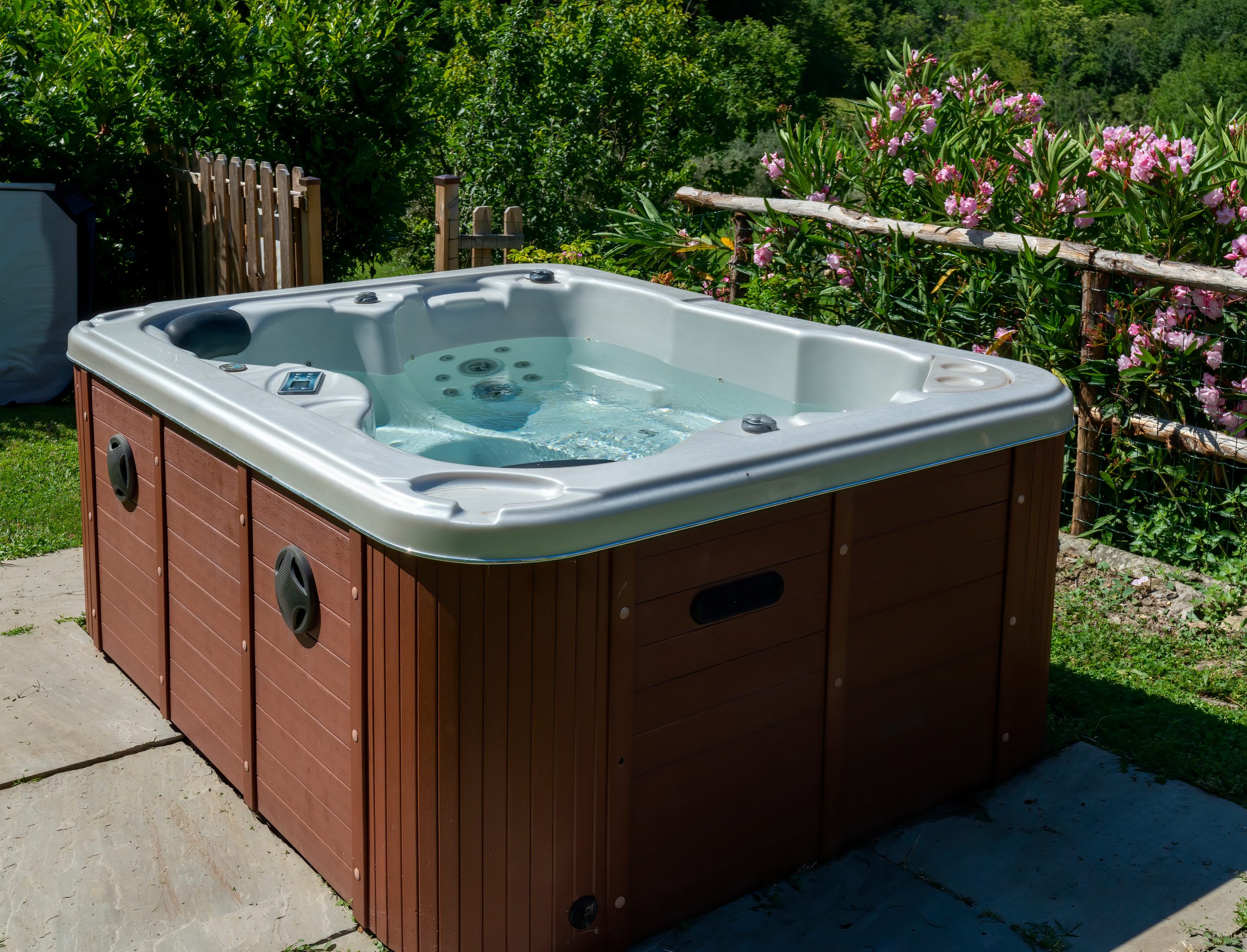
Choosing the Right Hot Tub Base in New Berlin
Your hot tub is a major investment. The base that supports it has to be strong, level, and built for Wisconsin weather. A poor base can lead to uneven settling, cracked shells, plumbing issues, and costly repairs. The good news is you have several solid options. The best choice for most homes in Waukesha County is a concrete hot tub pad. New Berlin homeowners also ask about gravel, pavers, and prefab pads. Below we compare each option, explain local considerations like freeze and thaw cycles, and share realistic cost ranges so you can plan with confidence.
Custom Concrete & Stone Design is a Milwaukee-based contractor with over 30 years of experience across Southeast Wisconsin. We build hot tub pads, patios, and foundations in Milwaukee, Waukesha, Ozaukee, Washington, Racine, and Kenosha counties. Our team designs and installs spa bases that fit the brand and size of your tub, your yard, and your budget. If you want a dependable concrete hot tub pad in New Berlin, we are ready to help from site prep through final placement.
Why the Base Matters for Your Backyard Spa
Hot tubs are heavy. A 6 to 8 person tub often weighs 700 to 1,000 pounds empty. Filled with water and people, total weight can reach 4,000 to 6,000 pounds or more. That load needs to be distributed evenly to protect the shell and the equipment. In New Berlin, soil moisture, frost heave, and drainage can add stress. A well-built base protects your tub and your yard for the long term.
- Level and support: Prevents twisting, cracking, and uneven wear.
- Drainage: Keeps water from pooling around your tub and equipment.
- Longevity: Reduces movement from freeze and thaw cycles common in Southeast Wisconsin.
- Service access: Creates a clean, stable area for maintenance and cover storage.
Hot Tub Base Options Compared
1. Concrete Hot Tub Pad
A poured concrete slab is the most common and reliable base for a backyard spa in Wisconsin. It offers stable load support, excellent durability, and minimal maintenance. When built correctly with a compacted stone base, proper thickness, and reinforcement, a concrete hot tub pad in New Berlin performs year after year.
- Pros: Strong, long lasting, resists frost heave, custom sizes and finishes, low maintenance.
- Cons: Higher upfront cost than gravel, requires skilled installation, curing time before spa placement.
- Best for: Most yards, heavy tubs, sloped sites, and long term value.
2. Compacted Gravel Base
A thick, compacted base of crushed stone can support some smaller tubs, especially if the manufacturer allows it. It must be well compacted and leveled on stable soil. In New Berlin, gravel alone can shift with freeze and thaw and may rut or settle over time.
- Pros: Lower initial cost, allows drainage, quick to install.
- Cons: Can settle or shift, can track into the tub, may not meet manufacturer specs for larger models.
- Best for: Lightweight or plug and play tubs when budget is tight and the site is well drained.
3. Paver Pad Over Gravel
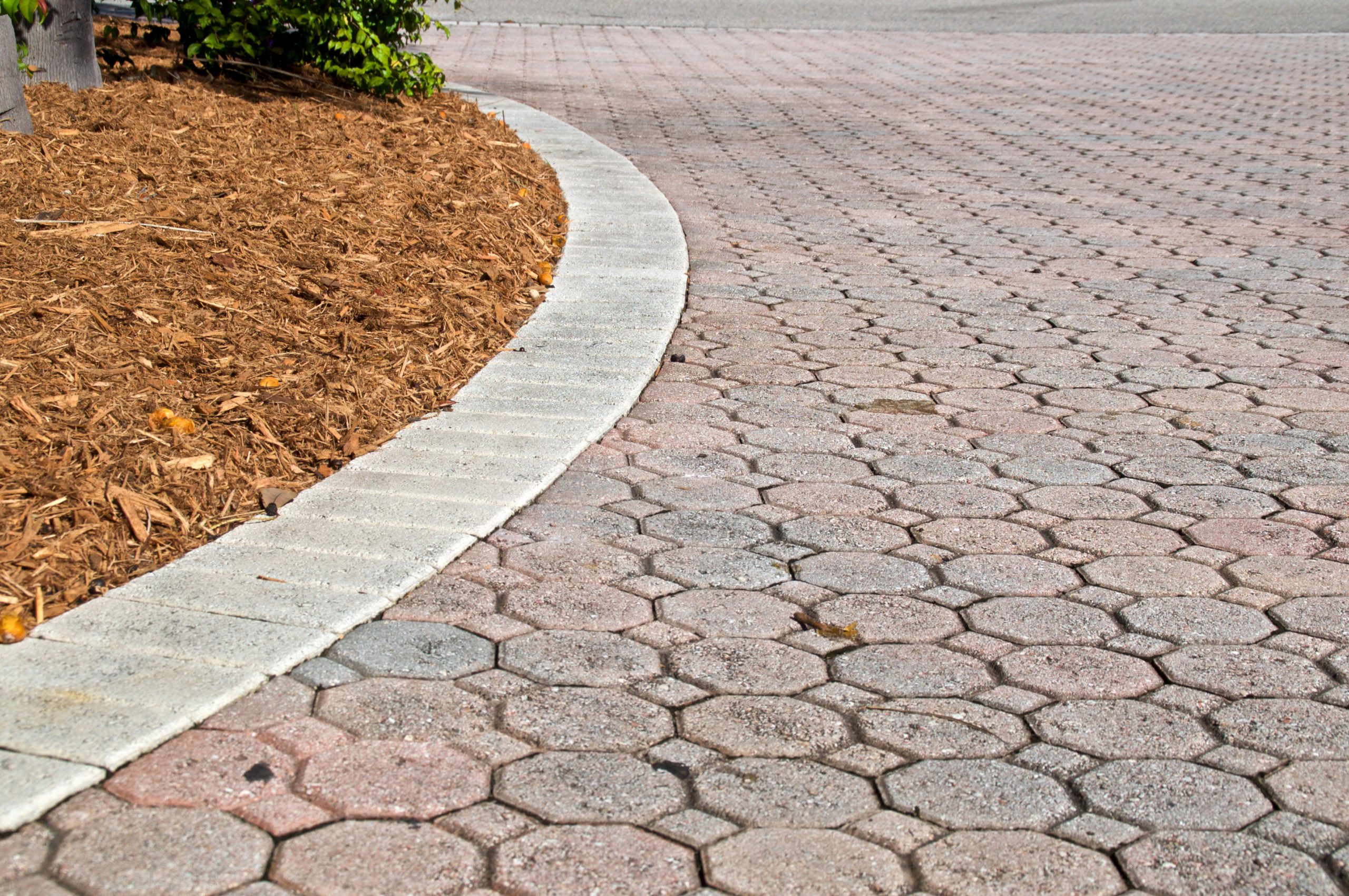
Concrete pavers installed over a compacted stone base create a smooth surface that looks great, especially when matched to an existing patio. The base must be well prepared and the pavers must be set tight and level.
- Pros: Attractive, integrates with patios, permeable joints for drainage.
- Cons: Requires precise prep, pavers can shift or settle at edges, joints may open with freeze and thaw if not built well.
- Best for: Aesthetic projects where the hot tub sits near or on a paver patio with top notch base prep.
4. Precast Plastic or Composite Spa Pads
Some brands sell modular plastic or composite pads that lock together. These can be set over compacted stone. They are quick to install but rely on excellent subgrade prep and are best for smaller tubs.
- Pros: Fast setup, can be moved, cleaner than loose gravel.
- Cons: Limited load tolerance, can rock if subgrade is not perfect, not as stable as concrete in winter.
- Best for: Temporary placements or small spas when concrete is not an option.
5. Deck or Framed Platform
A deck can support a hot tub if it is engineered for the load. This usually involves new footings to frost depth and framing upgrades. Work with a licensed contractor and follow local codes.
- Pros: Integrates with outdoor living spaces, elevates the tub for views.
- Cons: Highest design complexity, requires permits and inspections, ongoing maintenance.
- Best for: Second story or sloped yards where a slab is not practical.
Why a Concrete Hot Tub Pad in New Berlin Often Wins
For most homeowners, a poured concrete hot tub pad provides the best balance of performance, cost, and long term reliability. Here are the details that make it work in our climate.
Recommended Thickness and Size
Most hot tubs need a slab at least 4 inches thick, poured over a 4 to 6 inch compacted base of crushed stone. For larger tubs, or when the soil is weak, 5 to 6 inches of concrete is a smart upgrade. The pad should be at least 6 to 12 inches larger than the tub on all sides to support steps and access.
Reinforcement That Resists Cracking
Reinforcing steel improves the slab’s ability to handle concentrated loads and temperature swings. Custom Concrete & Stone Design commonly uses rebar in a grid or welded wire mesh, and often adds fiber reinforcement in the mix for extra control of shrinkage cracking. Strategic control joints help manage where micro cracks occur as the slab cures.
Concrete Mix Designed for Wisconsin Winters
We specify a mix strength of at least 4,000 psi for spa pads, with air entrainment to resist freeze and thaw damage. The slab is placed and finished with attention to the weather, then cured properly to reach full strength. This is a key difference between professional and DIY results.
Drainage and Slope
Your slab should be level under the tub but have a slight pitch at the edges to shed surface water. We direct runoff away from the equipment bay and away from foundations. On wetter sites we may add a perimeter drain or connect to an existing drainage solution to keep the area dry year round.
Hot Tub Pad Costs in New Berlin
Budgets vary by site conditions, access, size, and finish choices. Below are typical ranges we see across Waukesha County and nearby areas. These are estimates to help you plan. Your actual quote will reflect your specific yard and tub.
- Concrete hot tub pad: Usually 12 to 20 dollars per square foot for a basic broom finish 4 inch slab on a compacted base. Complex access, thicker slabs, reinforcement, and decorative finishes increase cost.
- Typical 8 by 8 pad: Commonly 1,000 to 2,000 dollars for basic installs, more with rebar, thicker sections, or challenging excavation.
- Typical 10 by 10 pad: Often 1,500 to 3,000 dollars depending on reinforcement, thickness, and site prep.
- Gravel only: 5 to 10 dollars per square foot including excavation and compaction. Longevity risk is higher.
- Pavers on base: 18 to 35 dollars per square foot due to labor and materials.
- Deck or engineered platform: Highly variable. Expect several thousand dollars or more based on design and code requirements.
Potential add-ons to consider:
- Haul away of sod, soil, and debris.
- Excavation in tight access areas.
- Thicker slab or turn-down edges for heavy spas.
- Conduit trench for electrical by your electrician.
- Frost depth footings if supporting pergola posts next to the tub.
- Decorative edges, color, or stamped borders.
Custom Concrete & Stone Design provides clear, itemized quotes so you can choose the best balance of features and budget. We also coordinate with your electrician and spa dealer to keep the schedule on track.
Step-by-Step: How We Build a Concrete Hot Tub Pad
- Site inspection: Verify tub size, access path, crane needs if any, utilities, drainage, and setbacks.
- Layout and excavation: Mark the pad, cut sod, and excavate to allow for the stone base and slab thickness.
- Base installation: Place 4 to 6 inches of compacted crushed stone. We compact in lifts to reduce settlement.
- Forms and reinforcement: Set wood or steel forms to tight elevations. Install rebar or wire mesh and any conduit sleeves you plan to use.
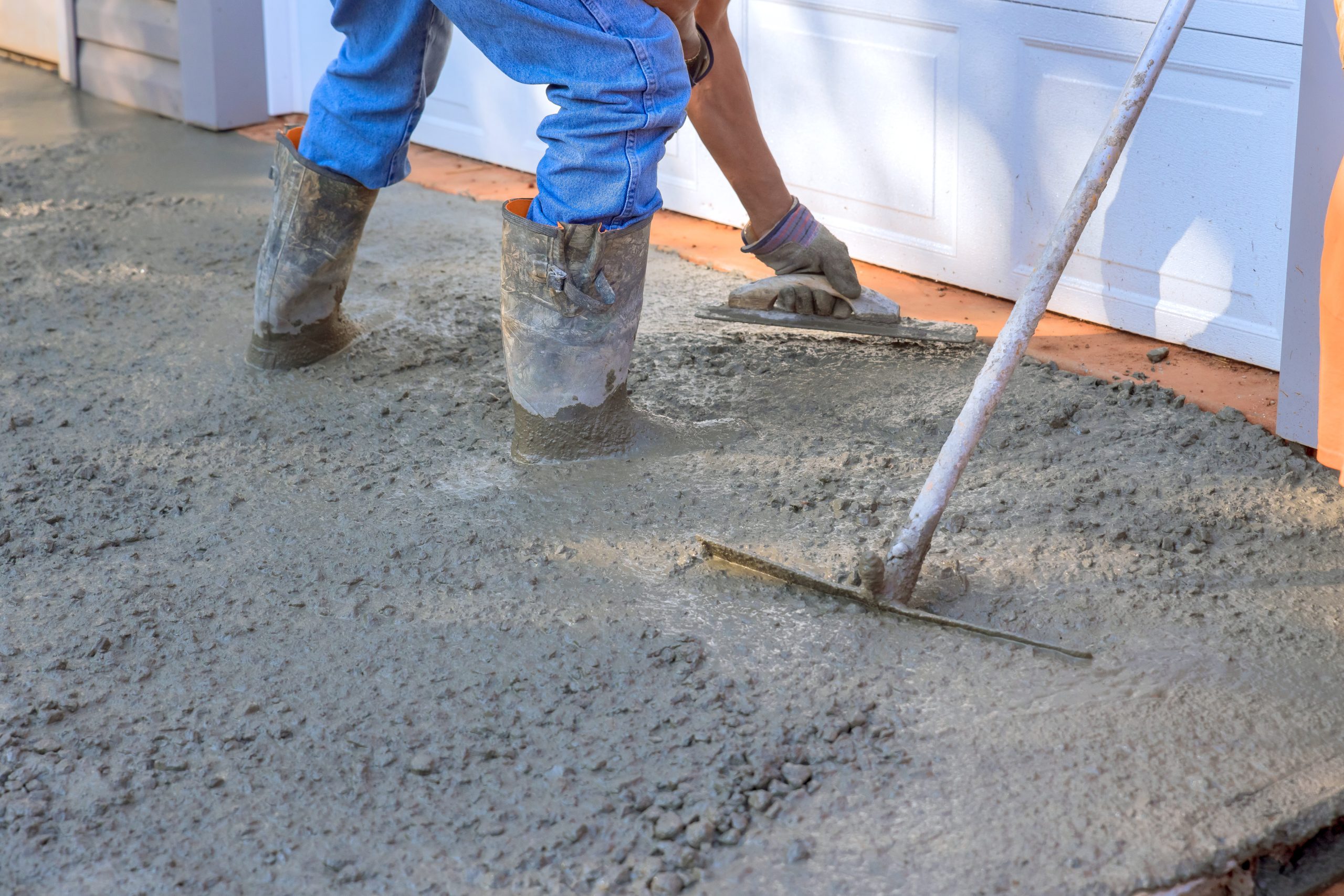
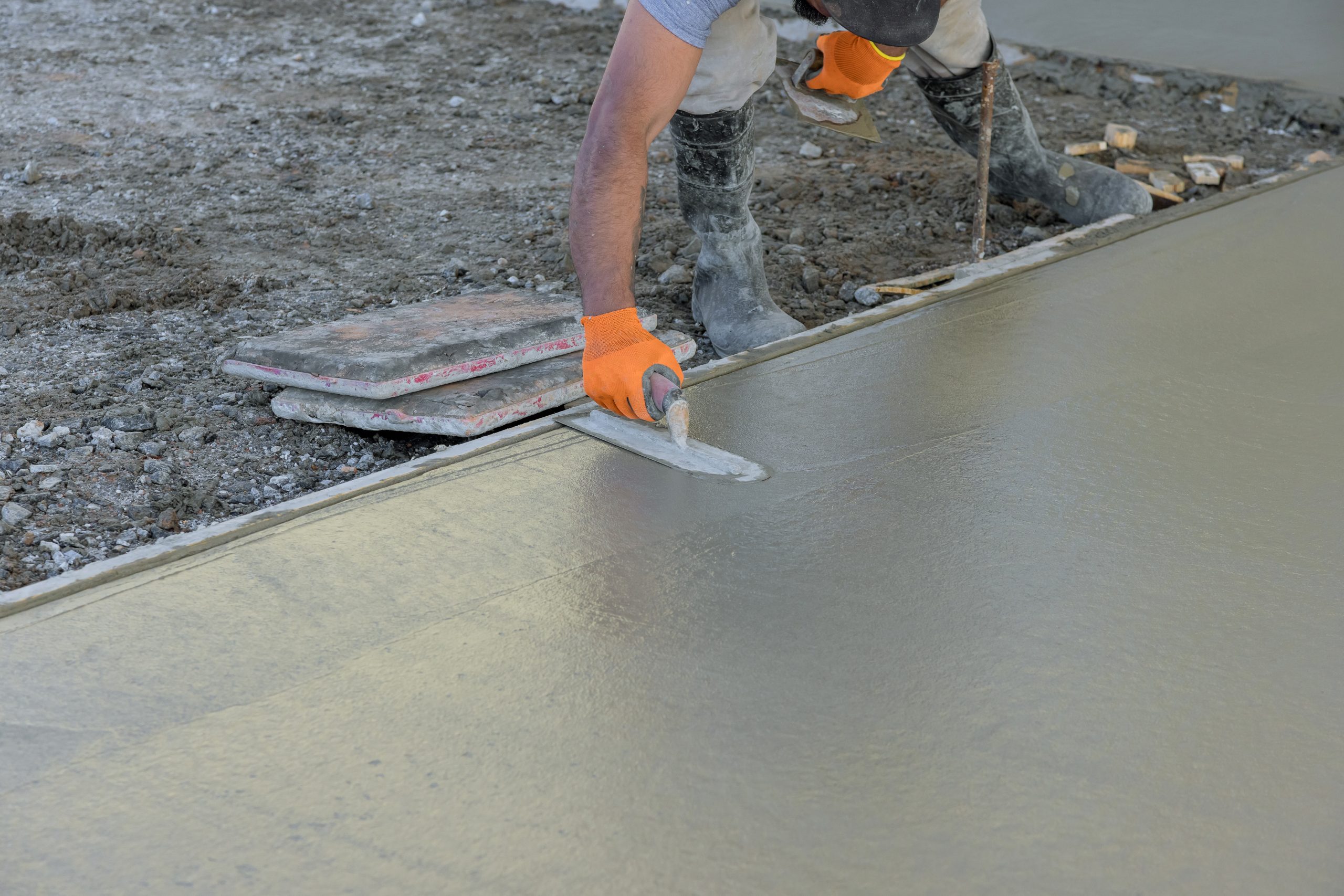
- Pour and finish: Place concrete, consolidate, strike off, and finish with a light broom for traction. We cut control joints where needed.
- Curing and protection: Allow proper cure time. We protect the slab from early loading and from rain during finishing.
- Final check: Confirm level, verify clearances for cover lifter and steps, and coordinate hot tub delivery timing.
Our process is built on three decades of work across Southeast Wisconsin. The result is a spa base that looks clean, drains properly, and carries the load for years.
Local Considerations for New Berlin
Soil and Frost
New Berlin soils range from clay to loam. Clay can trap moisture, which expands when it freezes. A proper compacted stone base and air-entrained concrete help resist heaving and surface spalling. If you plan to add posts or a gazebo tied to the slab, those supports often need footings to frost depth. Frost depth in Southeast Wisconsin is commonly around 48 inches. Verify current requirements before building.
Permits and Codes
Always check with the City of New Berlin Building Inspection Department and your homeowner’s association before construction. Electrical work for hot tubs almost always requires a permit and must meet GFCI, bonding, and disconnect rules. Flatwork like a simple concrete pad may not always need a building permit, but zoning rules, setbacks, drainage, and impervious surface limits can apply. Barrier requirements, such as locking covers or fences, depend on local rules and the type of spa. Your spa manual sets minimum pad size and support requirements. Follow manufacturer instructions. Custom Concrete & Stone Design can help you gather the right details for a smooth approval process.
Design and Finish Options for Your Spa Pad
A basic broom finish pad is the most common choice. If you want the pad to double as a small patio or connect to other outdoor areas, consider decorative options from our stamped and colored concrete services.
- Broom finish with crisp tooled edges for a clean, simple look.
- Exposed aggregate band around the pad for texture and contrast.
- Colored concrete to blend with landscaping or pavers.
- Stamped border that ties into existing patios or walkways.
Custom Concrete & Stone Design specializes in custom finishes that match your space. We help you pick a look that complements your yard without overwhelming the tub area.
Maintenance Tips for a Long-Lasting Spa Base
Concrete hot tub pads need little upkeep, but a few simple habits will keep your space in top shape.
- Keep gutters and downspouts from discharging onto the pad.
- Brush away leaves and grit to protect the finish.
- Avoid harsh deicers. Use sand for traction in winter if needed.
- Reseal decorative concrete every few years if colored or stamped.
- Check for soil settlement at edges and add topsoil or mulch to maintain grading away from the pad.
Frequently Asked Questions
How thick should my concrete hot tub pad be?
Most residential tubs are well supported by a 4 inch slab on a compacted stone base. For heavy models or soft soils, 5 to 6 inches with rebar is a smart upgrade. We size thickness and reinforcement to your specific tub and yard.
Can I put a hot tub on my existing patio?
It depends on the patio’s thickness, base, and condition. Many patios are not built to support concentrated loads. We can assess your patio. Sometimes we pour a new thickened pad next to it or cut out and rebuild a section under the tub.
Do I need rebar in the slab?
While some small pads perform with only fiber reinforcement, we recommend rebar or wire mesh for most spa slabs in New Berlin. It adds insurance against cracking and uneven loads.
Will the slab need a permit?
Electrical work for the hot tub almost always requires a permit. The slab itself may not always need one, but zoning, drainage, and impervious coverage rules can apply. Check with the City of New Berlin. We can help guide you.
How soon can my hot tub be delivered after the pour?
Concrete gains strength as it cures. We typically recommend waiting at least 7 days before placing the tub, and longer in cool weather. We will confirm timing based on the mix and conditions.
What about winter installs?
We pour pads in cold weather when needed. We adjust the mix, schedule, and curing methods to protect the slab. Planning ahead for spring delivery is still ideal, but winter work is possible with the right setup.
Can you help with moving the tub into place?
We coordinate with your spa dealer and can recommend trusted partners for delivery, crane service, and electrical. Our focus is building a precise, durable base and ensuring a smooth handoff for final placement.
Why Work With Custom Concrete & Stone Design
Custom Concrete & Stone Design has delivered high quality residential and commercial concrete across Southeast Wisconsin for over 30 years. Our portfolio includes stamped patios, driveways, retaining walls, garages, basements, and foundations. We bring that deep structural and finish expertise to every spa pad we build.
- Local experience: We know New Berlin’s soil, weather, and code environment.
- Quality materials: High strength, air-entrained mixes and proven reinforcement.
- Skilled craftsmen: Attention to grading, finishing, and drainage details.
- Custom design: Pads sized for your tub and yard, with optional decorative finishes.
- Clear communication: Itemized quotes, scheduling support, and coordination with your electrician and spa dealer.
We serve Milwaukee, Waukesha, Ozaukee, Washington, Racine, and Kenosha counties and understand how to build concrete that lasts in our freeze and thaw cycles. When you want a dependable concrete hot tub pad in New Berlin, our team is ready.
Get Your Free Hot Tub Pad Quote
Ready to plan your backyard spa the right way? Contact Custom Concrete & Stone Design for a free on-site assessment and quote. We will evaluate your yard, check access for delivery, recommend the right pad thickness and reinforcement, and give you a clear price. Whether you choose a simple broom finish pad or a decorative design that ties into a new patio, we will build a base that protects your investment and looks great in every season.
Choose a base that matches the weight of your hot tub, the moisture of your soil, and the reality of Wisconsin winters. For most homes, that means a properly designed and installed concrete hot tub pad. New Berlin homeowners trust Custom Concrete & Stone Design to deliver stable, long lasting results that are ready for years of relaxation. Let us help you build it right from the start.